


Refined Salt Showed Lower Trace Element Levels Than Unrefined Coastal Salt
A comparative analysis found that commercially refined edible salts in Bangladesh contained substantially lower average concentrations of several potentially toxic ...
A comparative analysis found that commercially refined edible salts in Bangladesh contained substantially lower average concentrations of several potentially toxic ...

A hydrochemical assessment across ten districts in Kebbi State, Nigeria, revealed that favorable composite water quality index scores obscured widespread ...

A probabilistic assessment reveals that natural black-shale lithologies drive trace element contamination and elevated health risks in fissure water of ...

A qualitative cross-case study across the Philippines, Brazil, and the Kyrgyz Republic reveals that Canadian transnational mining operations produce severe ...

A full-life cycle greenhouse study reveals that micro-nanoscale bone char enhances enzymatic activity and soil organic carbon in arsenic-contaminated paddy ...

A study of an abandoned chemical manufacturing site in Hefei found that mercury accounted for over 99 percent of ecological ...

A study of postharvest practices in Pakistan found that calcium carbide ripening degraded sapodilla nutritional quality while elevating arsenic and ...
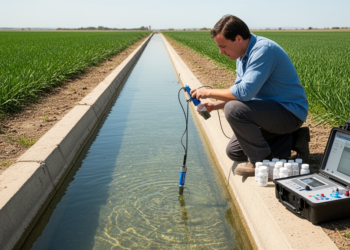
A baseline study in Ethiopia’s Meli gold mining area found low-to-moderate salinity but heavy-metal pollution above permissible limits in every ...
Researchers at NIT Patna have developed hybrid XGBoost models tuned by bio-inspired optimization algorithms that predict groundwater arsenic contamination in ...
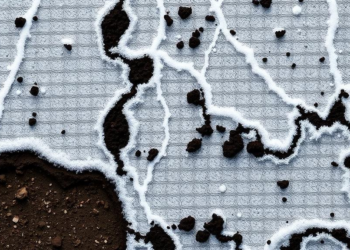
A new Nature Water study shows that freeze–thaw cycles at ice–water interfaces rapidly convert freshly deposited industrial arsenic in soils ...


Embark on a thrilling journey of discovery with Scienmag.com—your ultimate source for cutting-edge breakthroughs. Immerse yourself in a world where curiosity knows no limits and tomorrow’s possibilities become today’s reality!