

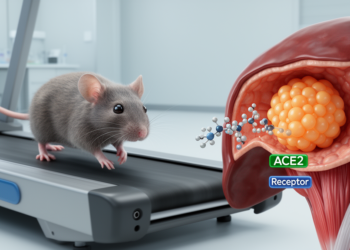
Exercise-linked muscle peptide reduces fatty liver through ACE2 in mice
A study in diabetic mice with fatty liver found that exercise-linked muscle peptide MOTS-c reduced steatosis through an AMPK–ACE2 pathway.
A study in diabetic mice with fatty liver found that exercise-linked muscle peptide MOTS-c reduced steatosis through an AMPK–ACE2 pathway.

A new Frontiers editorial argues that the cognitive, sleep, and emotional benefits of aerobic exercise arise from distinct, context-dependent brain ...
A pre-specified biomarker analysis of the randomized PHYS-STROKE trial found that four weeks of moderate-intensity treadmill training in early subacute ...
A cross-sectional study of 126 Sri Lankan adults found yoga practitioners had greater lower limb strength and flexibility while aerobic ...
A UCL-led systematic review of twelve randomised controlled trials finds that aerobic exercise and mind-body activities such as yoga may ...
A network meta-analysis of 16 randomized trials finds that combined physical-cognitive exercise is the most effective intervention for improving global ...
A meta-analysis of 72 randomized controlled trials shows aerobic exercise improves endothelial function by 2.35 percent, an estimated 24 percent ...
A nine-month study in mice shows that chronic senolytic treatment and aerobic exercise each reduce senescent cell markers in the ...
A supervised twelve-week exercise programme during chemotherapy for early-stage breast cancer was feasible and safe, with exploratory evidence of cytotoxic ...
A network meta-analysis of 129 randomised controlled trials combined with machine learning finds interval aerobic training and combined aerobic-resistance programmes ...

Embark on a thrilling journey of discovery with Scienmag.com—your ultimate source for cutting-edge breakthroughs. Immerse yourself in a world where curiosity knows no limits and tomorrow’s possibilities become today’s reality!