

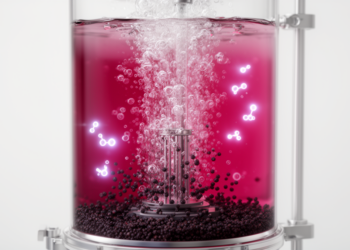
Ozone, catalysts and hydrogen peroxide: what really drives dye wastewater treatment
A statistical review of published optimization studies identifies ozone dose and pollutant concentration as the key drivers of ozonation, with ...
A statistical review of published optimization studies identifies ozone dose and pollutant concentration as the key drivers of ozonation, with ...
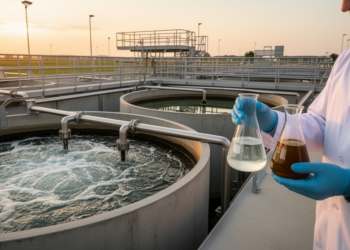
A new review finds that hybrid biological and chemical treatment systems can remove up to 95% of organic pollution from ...

A new review argues that integrating AI, machine learning, and IoT sensor networks with remediation could transform how persistent organic ...
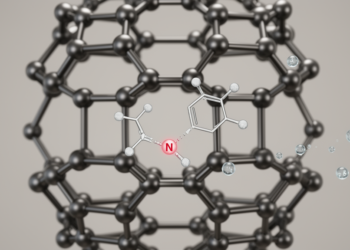
An iron-based metal-organic framework with pyridine nitrogen in its secondary coordination sphere converts about 90 percent of trace hydrogen peroxide ...
A spatially decoupled electrocatalyst that generates its own oxygen achieved 98% antibiotic removal and cut wastewater treatment costs by 95 ...
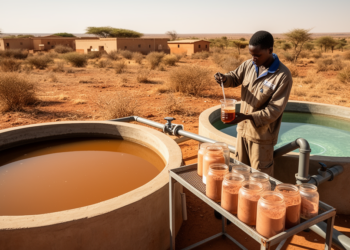
Researchers in eastern Ethiopia found organophosphate pesticides exceeding WHO limits in lakes and khat-growing waterways, and showed optimized Fenton oxidation ...
Textile dyeing is one of the most water-hungry and color-polluting industries on the planet. Every batch of fabric that leaves ...
Researchers in Shenzhen have created a molybdenum-doped iron sulfide catalyst that restores its own reactive centers by harvesting electrons from ...
A new review maps catalytic technologies across the entire textile value chain, from enzymatic pretreatment to recyclable magnetic catalysts, showing ...

Researchers have engineered vacancy-pentagon defects in waste-derived biochar that redirect peracetic acid activation toward highly selective, long-lived acetylperoxyl radicals, enabling ...


Embark on a thrilling journey of discovery with Scienmag.com—your ultimate source for cutting-edge breakthroughs. Immerse yourself in a world where curiosity knows no limits and tomorrow’s possibilities become today’s reality!