


Three Amino Acids Block and Break Down Candida and Staphylococcus Biofilms
Aspartic acid, cysteine, and glutamic acid reduced biofilm formation and disrupted established biofilms of Candida albicans and Staphylococcus aureus in ...
Aspartic acid, cysteine, and glutamic acid reduced biofilm formation and disrupted established biofilms of Candida albicans and Staphylococcus aureus in ...
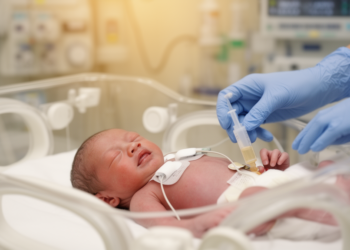
A randomized trial found that a three-day enteral DHA supplement did not significantly reduce definite necrotizing enterocolitis in preterm infants, ...
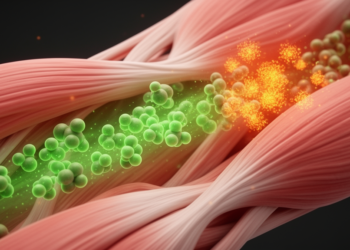
A piglet study found that dietary ellagic acid improved antioxidant status and altered amino acid and fatty acid metabolism in ...
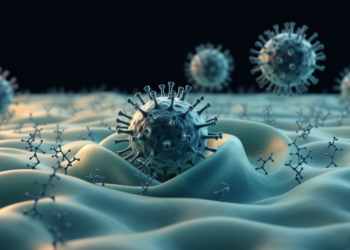
New research shows that sialic acid on cell surfaces supports infectious bronchitis virus attachment and triggers macropinocytosis-mediated viral entry.
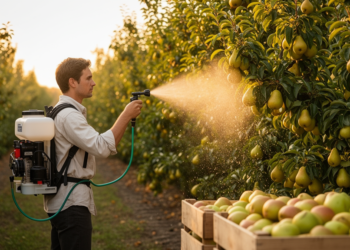
A two-season field study found that foliar GABA at 100 mM raised 'Le Conte' pear yield by up to 78% ...
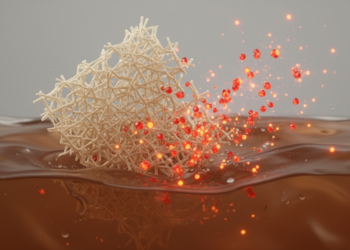
Researchers have synthesized a new family of polymer-based drug carriers designed to keep 5-aminosalicylic acid (5-ASA), a mainstay therapy for ...
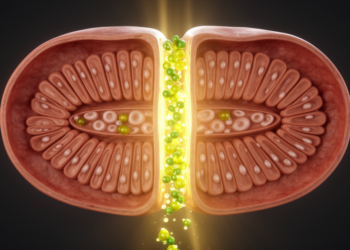
In mice fed a lithocholic acid diet, deleting β-catenin from hepatocytes reduced bile infarcts and liver injury by boosting bile ...
Salicylic acid has long been celebrated as the master switch of plant immunity, a hormone that lets crops detect pathogens ...
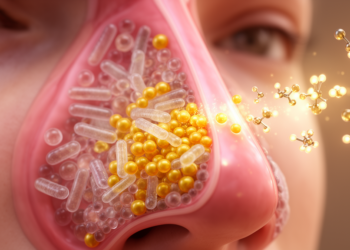
A new study shows that amino acid availability, particularly tyrosine supplied by nasal bacterial communities, determines whether certain Staphylococcus aureus ...
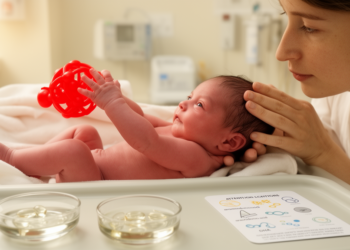
Long-term follow-up of the Omega Tots randomized trial linked DHA plus arachidonic acid supplementation in toddlerhood to modest attention gains ...


Embark on a thrilling journey of discovery with Scienmag.com—your ultimate source for cutting-edge breakthroughs. Immerse yourself in a world where curiosity knows no limits and tomorrow’s possibilities become today’s reality!