


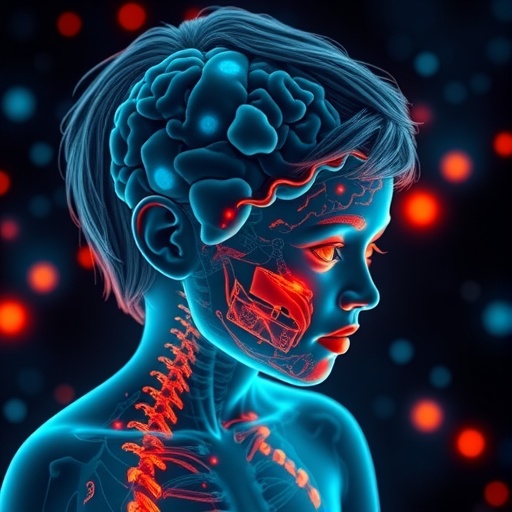
Cerebral palsy has long been associated with disturbances that occur before, during, or shortly after birth, but a new systematic review suggests that the biological story may not end in the perinatal period. In a review published in Pediatric Research, researchers examined evidence that dysregulated inflammation can persist throughout childhood and beyond in people living with cerebral palsy. Their analysis places the immune system at the center of an expanding scientific effort to understand why cerebral palsy is not simply the result of an early brain injury, but a lifelong condition involving interconnected neurological, muscular, metabolic, and immunological processes.
Inflammation is a normal protective response. When tissues are damaged or infected, immune cells release signaling molecules that coordinate repair and recruit additional defenses. In the developing brain, however, the timing, intensity, and duration of this response are critical. Excessive or prolonged activation can interfere with the formation and maintenance of neural circuits. The review focuses on the possibility that inflammatory pathways activated around birth may remain abnormal years later, creating a biological environment that continues to influence movement, muscle tone, pain, fatigue, cognition, and other features associated with cerebral palsy. This does not mean that inflammation alone causes every symptom, but it may help explain why the effects of early neurological injury can evolve over a lifetime.
The central players in this process include cytokines, small proteins that allow immune and nervous-system cells to communicate. Some cytokines promote inflammation, while others help limit it and support tissue recovery. A sustained imbalance between these signals may indicate that the immune system is failing to return fully to its resting state. The brain’s resident immune cells, known as microglia, are particularly important. Microglia help shape neural connections during development and remove damaged cellular material, but chronic activation can alter their behavior and potentially contribute to continuing neuronal stress. The review considers how such mechanisms could link early inflammatory exposure with persistent neurological dysfunction.
The researchers also highlight the relationship between the brain and the rest of the body. The blood–brain barrier normally regulates which molecules and immune cells can move from the circulation into nervous tissue. Systemic inflammation can change the permeability and function of this barrier, allowing inflammatory signals to influence the central nervous system more strongly. At the same time, neurological injury can affect movement, breathing, swallowing, sleep, and gastrointestinal function, all of which may themselves influence immune activity. This creates the possibility of a feedback loop in which brain injury and peripheral inflammation reinforce one another rather than behaving as separate medical problems.
Evidence of persistent inflammation may eventually help scientists distinguish different biological subtypes of cerebral palsy. The condition is highly diverse: some people experience predominantly motor impairment, while others also live with epilepsy, communication difficulties, chronic pain, feeding problems, respiratory complications, or cognitive challenges. Two individuals with similar movement patterns may therefore have very different underlying biology. Measurements of circulating inflammatory molecules, immune-cell activity, or indicators of nervous-system injury could one day help clinicians identify these differences. The review emphasizes, however, that such biomarkers are not yet ready to serve as definitive diagnostic tools, and findings across studies must be interpreted cautiously.
One reason for that caution is the complexity of inflammation research. Cytokine levels can vary with age, infection, medication, sleep, physical activity, nutrition, stress, and other health conditions. Cerebral palsy itself is not a single disease with one cause; it describes a group of permanent disorders affecting movement and posture that arise from disturbances in the developing brain. Studies included in a systematic review may also differ in their definitions of cerebral palsy, participant characteristics, laboratory methods, and timing of sample collection. These differences can make it difficult to determine whether a measured inflammatory signal is a cause, a consequence, or simply a marker of another process.
Even with these limitations, the review opens a potential therapeutic direction. If persistent immune dysregulation contributes to neurological and systemic complications, treatments designed to regulate inflammation could complement established approaches such as physiotherapy, occupational therapy, speech and feeding support, medications for spasticity, and orthopedic or neurosurgical care. Possible strategies might include targeting specific inflammatory signaling pathways, modifying immune-cell behavior, or addressing peripheral sources of chronic inflammation. The objective would not be to suppress the immune system indiscriminately, since immune activity is essential for protection and repair, but to restore a healthier balance without compromising host defense.
The authors’ findings ultimately shift the conversation from a single early event to a continuing biological trajectory. Understanding inflammation in cerebral palsy could improve monitoring, reveal new treatment targets, and encourage care that addresses the whole body rather than focusing exclusively on movement. The review does not establish that anti-inflammatory therapy will improve outcomes, and clinical trials will be required before any such intervention can be recommended. But by drawing attention to immune activity that may persist long after the original perinatal insult, the work offers a framework for investigating why cerebral palsy changes over time—and how future medicine might intervene more precisely.
Cite Scienmag News
Denise Maddox. (August 21, 2026). Systematic review finds persistent inflammatory dysregulation in people with cerebral palsy. Scienmag. https://scienmag.com/systematic-review-finds-persistent-inflammatory-dysregulation-in-people-with-cerebral-palsy/
Denise Maddox. "Systematic review finds persistent inflammatory dysregulation in people with cerebral palsy." Scienmag, 21 August 2026, https://scienmag.com/systematic-review-finds-persistent-inflammatory-dysregulation-in-people-with-cerebral-palsy/. Accessed 3 September 2026.
Denise Maddox. "Systematic review finds persistent inflammatory dysregulation in people with cerebral palsy." Scienmag. August 21, 2026. https://scienmag.com/systematic-review-finds-persistent-inflammatory-dysregulation-in-people-with-cerebral-palsy/


