

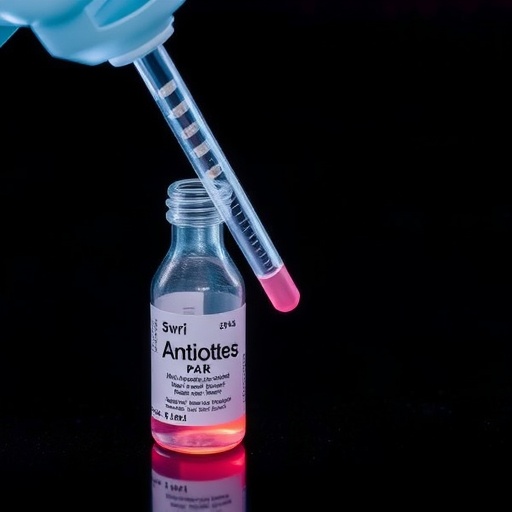
Southwest Research Institute (SwRI) has achieved a groundbreaking advancement in the scalable synthesis of antidotes designed to neutralize organophosphorus nerve agents (OPNAs) and pesticide poisoning. This breakthrough introduces a safer, more efficient, and high-purity manufacturing process of critical oxime compounds such as HI-6, Obidoxime, and HLö 7. Unlike traditional approaches, SwRI’s novel synthesis circumvents the use of hazardous reagents known to pose carcinogenic risks, marking a significant stride toward safer antidote production on an industrial scale.
The imperative for such developments lies in the global toll exacted by nerve agent and pesticide exposure, which is estimated to cause over 200,000 fatalities annually. OPNAs function by disrupting the nervous system’s normal activity, specifically by causing an accumulation of acetylcholine, a neurotransmitter that facilitates muscle movement. This overstimulation triggers severe symptoms, leading to neuromuscular paralysis, cardiac arrhythmias, and often, death. Prompt intervention with oxime-based antidotes like HI-6 can restore neural function by reactivating acetylcholinesterase, the enzyme inhibited by nerve agents, thus mitigating systemic toxicity.
SwRI’s chemistry team, led by Dr. Shawn Blumberg, pioneered a synthetic route that achieves kilogram-scale production with over 98% chemical purity. This high-yield methodology aligns with Current Good Manufacturing Practices (cGMP), ensuring that the antidotes meet stringent quality standards required for clinical and militarized use. The strategic elimination of carcinogenic compounds from the process not only enhances workplace safety but also elevates the environmental profile of the synthesis, addressing concerns associated with legacy manufacturing paradigms.
The traditional challenges of producing oxime antidotes at scale stem from their complex molecular structures and the toxic intermediates involved in their synthesis. SwRI’s approach innovatively bypasses these pitfalls by employing alternative reaction pathways, which reduce dependency on harsh reagents without compromising yield or activity. This methodical refinement enables a more sustainable and secure supply chain for therapeutic countermeasures, a critical factor given the geopolitical risks linked to international antidote procurement.
From a national security standpoint, SwRI’s success is pivotal. The capability to domestically manufacture high-quality antidotes fortifies the United States’ preparedness against chemical warfare and agricultural chemical poisoning. It simultaneously attenuates vulnerabilities that arise from relying on external suppliers, whose availability may be disrupted by conflicts or global crises. Moreover, a robust domestic production capacity paves the way for supporting allied nations by facilitating the export of these vital antidotes.
The therapeutic importance of oximes like HI-6 is particularly noteworthy. These compounds exhibit broad-spectrum efficacy against multiple classes of nerve agents and demonstrate versatility in varied exposure scenarios. With symptoms ranging from minor visual disturbances to life-threatening seizures and respiratory failure, swift administration of HI-6 can halt neurodegeneration and preserve muscular function. The agents’ mechanism relies on reactivation of acetylcholinesterase, effectively neutralizing the molecular blockade established by organophosphorus compounds.
SwRI’s continuous endeavors in pharmaceutical development extend beyond production. Their ongoing research aims to identify novel countermeasures that could surpass existing antidotes in efficacy and safety profiles. By marrying chemical ingenuity with bioengineering principles, the institute provides an integrated platform for drug discovery, process optimization, and toxicity mitigation—a trifecta essential for advancing treatment options against chemical and pesticide poisoning.
Director of Pharmaceuticals and Bioengineering, Darrel Johnston, emphasizes the institute’s two-decade commitment to nerve agent antidote research. The new synthetic pathway surmounts long-standing hurdles in commercial-scale production, which had previously limited widespread clinical adoption. This progress signals a paradigm shift in public health readiness and chemical threat defense, showcasing SwRI’s role as a national leader in biomedical innovation.
Beyond military applications, this advancement holds promise for civilian healthcare sectors challenged by pesticide poisoning, prevalent in agricultural communities worldwide. The safer synthesis method ensures that the antidotes can be manufactured without the extensive industrial hazards traditionally associated with their production, reducing occupational exposures and manufacturing costs. This lifecycle improvement may encourage broader distribution and accessibility in non-military contexts.
Furthermore, the environmental benefits of adopting such green chemistry practices cannot be overstated. By avoiding carcinogenic substances and minimizing toxic waste, SwRI’s process aligns with modern sustainability goals in pharmaceutical manufacturing. This reduces downstream impact on ecosystems and aligns with stricter regulatory mandates governing chemical production, thereby future-proofing the supply chain.
In conclusion, Southwest Research Institute’s innovative manufacturing methodology ushers in a new era for oxime antidote availability and safety. The capacity to generate kilogram quantities of ultra-pure compounds through a carcinogen-free synthesis not only strengthens national defense but also advances public health protections worldwide. As nerve agents and pesticide threats persist globally, this breakthrough equips the United States and its allies with vital tools to combat these silent killers more effectively and sustainably.
Subject of Research: Scalable manufacturing process for organophosphorus nerve agent antidotes
Article Title: Southwest Research Institute Innovates Safer, Scalable Production of Oxime Antidotes for Nerve Agent and Pesticide Exposure
News Publication Date: February 23, 2026
Image Credits: Southwest Research Institute
Keywords
Medicinal chemistry, Pesticides, Bioengineering, Pharmaceuticals


