


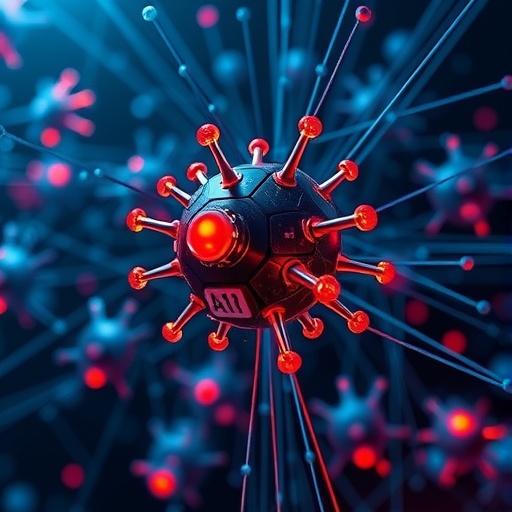
In a bold step toward securing the Internet of Things (IoT), a team of researchers has proposed a revolutionary approach to malware detection, one that intricately weaves together machine learning models housed within a swarm architecture. This approach not only enhances detection efficiency but also promises to mitigate the increasingly prevalent threat of IoT malware infections. By deploying a network of cooperating models, the research opens new avenues for proactive cybersecurity measures tailored for the vast and heterogeneous environment of IoT devices.
As the digital landscape continues to evolve, IoT devices are becoming ubiquitous, bringing convenience and innovation to our daily routines. However, the expansion of devices connecting to the internet introduces significant vulnerabilities, creating a fertile ground for cybercriminals. Malware targeting IoT systems is not only a risk to the devices themselves but also poses threats to personal privacy and critical national infrastructure. Against this backdrop, the urgency for effective malware detection systems has never been greater.
The researchers’ exploration of swarm architecture draws inspiration from natural systems, where simple individual agents collaborate to achieve complex collective behavior. By coordinating multiple machine learning models in real-time, the system can tap into the strengths of each model and create a more robust and agile malware detection mechanism. This decentralized approach stands in stark contrast to traditional methods which often rely on single monolithic systems that can fail to adapt quickly to emerging threats.
At the core of this innovative framework lies the application of advanced machine learning algorithms, which are meticulously trained to recognize patterns indicative of malware activity. Each model in the swarm operates independently yet shares critical insights with other models, thus refining the overall detection accuracy. The efficacy of this strategy has been underpinned by extensive testing across diverse IoT scenarios, demonstrating its potential to significantly reduce false positives and negatives.
Furthermore, the dynamic nature of swarm learning allows for continual adaptation to evolving malware signatures. This flexibility is crucial in the realm of cybersecurity, where adversaries perpetually find new ways to circumvent existing defenses. The swarm architecture’s inherent ability to learn and evolve mirrors that of biological organisms, which can lead to more resilient systems capable of outpacing threats.
The implications for industries reliant on IoT are profound. Consider smart homes, connected vehicles, and healthcare devices—all vulnerable to compromises that could lead to catastrophic failures. By implementing advanced swarm-based machine learning models, these sectors could achieve a fortified detection mechanism that not only identifies malware attempts but proactively responds to mitigate damage. Such advancements could usher in an era where the security of IoT devices is inherent rather than an afterthought.
In implementing this technology, organizations encounter several practical challenges. For instance, the integration of swarm intelligence with existing IoT frameworks requires thoughtful consideration of both computational resources and network bandwidth. The decentralized nature of swarm models can lead to increased demand for communication infrastructure, necessitating investments in enhanced connectivity solutions.
Moreover, training these machine learning models effectively remains a critical hurdle. Researchers must ensure that the models are exposed to diverse malware samples during their training phase to cultivate their detection capabilities. This endeavor necessitates collaboration across the cybersecurity community to create comprehensive datasets that reflect the evolving landscape of malware threats.
Privacy concerns also loom large in the deployment of such technologies. Ensuring that user data remains protected while employing advanced detection mechanisms is essential for public trust. The ethical implications of data collection and model training must therefore be carefully managed, requiring transparency and robust guidelines to govern the use of personal information.
The research findings suggest that swarm architectures could serve as a viable solution for addressing IoT malware, setting a precedent for future innovations in cybersecurity. As machine learning continues to evolve, the combination of advanced analytics with collaborative detection models appears to be a game-changer. This study not only highlights the capabilities of swarm intelligence but also serves as a clarion call for collaborative efforts in the fight against cybersecurity threats.
In conclusion, the orchestration of machine learning models within a swarm architecture represents a frontier in malware detection tailored for the complexities of the IoT landscape. With cyber threats becoming increasingly sophisticated, the integration of such innovative technologies is imperative for safeguarding our interconnected world. By leveraging the collective power of distributed models, we stand on the brink of revolutionizing our approach to cybersecurity, turning the tide against malware attacks.
The potential for widespread adoption of this technology can pave the way to safer IoT ecosystems, fostering confidence among users and industries alike. The challenge remains not only to develop and deploy these advanced systems but also to educate stakeholders on their value and operational insights. As the journey towards a more secure digital landscape unfolds, the findings of this research illuminate a promising path forward, promising a future where IoT devices are fortified against the lurking threats of malware.
Cite Scienmag News
Denise Maddox. (December 20, 2025). Swarm AI for IoT Malware Detection Advancements. Scienmag. https://scienmag.com/swarm-ai-for-iot-malware-detection-advancements/
Denise Maddox. "Swarm AI for IoT Malware Detection Advancements." Scienmag, 20 December 2025, https://scienmag.com/swarm-ai-for-iot-malware-detection-advancements/. Accessed 3 September 2026.
Denise Maddox. "Swarm AI for IoT Malware Detection Advancements." Scienmag. December 20, 2025. https://scienmag.com/swarm-ai-for-iot-malware-detection-advancements/


