


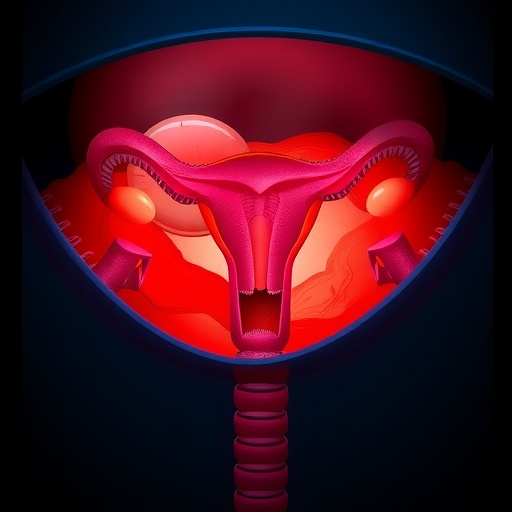
In the evolving landscape of oncology, a recent study sheds light on the critical role of surgical modalities in enhancing the survival rates of patients diagnosed with stage I adult-type ovarian granulosa cell tumors (OGCT). This comprehensive analysis, which scrutinizes the outcomes of 101 cases, is poised to reshape the treatment protocols and improve the prognosis for patients battling this rare form of ovarian cancer. The findings presented underscore the imperative for an integrative approach that combines surgical intervention with a thorough understanding of tumor biology.
Granulosa cell tumors, characterized by their slow growth and generally favorable prognosis at early stages, require meticulous surgical strategies for optimal outcomes. In the investigation led by researchers Chen, Liu, and Qiu, the heterogeneity of surgical techniques employed stands out as a focal point, prompting an analysis that speaks volumes about the importance of tailored interventions in cancer care. Through detailed evaluation, the authors uncover nuances in survival rates associated with various surgical approaches, thus providing critical insights into the complexities of treating these tumors.
Surgical strategies in oncology extend beyond mere removal of the tumor; they encompass a broader spectrum of considerations that involve the preservation of ovarian function and minimizing postoperative complications. The article illuminates how varying surgical techniques—the extent of resection, for instance—can significantly influence not only immediate patient outcomes but also long-term survival. By analyzing data from 101 cases, the researchers found that certain surgical modalities were associated with statistically significant survival advantages, a revelation with profound implications for surgical decision-making in this niche area of gynecological oncology.
The intricacies of stage I OGCT present a unique challenge to surgeons: balancing the efficacy of tumor removal against the potential repercussions on a patient’s reproductive health. The comprehensive results revealed in this study indicate that more conservative surgical approaches could yield comparable survival rates to more radical interventions, thereby opening up discussions on the best practices for managing such cases. The findings urge clinicians to consider a personalized approach, taking into account factors such as age, tumor size, and patient preferences when determining the optimal surgical pathway.
Moreover, the significance of postoperative care cannot be overstated in the context of improving patient outcomes. This study highlights the role of comprehensive follow-up protocols and the necessity for a multi-disciplinary approach that includes oncologists, surgeons, and fertility specialists. By adopting a holistic view of patient care, healthcare providers can enhance the quality of life for women who successfully undergo treatment for ovarian granulosa cell tumors and, crucially, preserve their reproductive potential where possible.
The accompanying data analysis in the study provides a robust foundation for future research directions. The researchers emphasize the importance of not only refining surgical techniques but also delving deeper into the biological behavior of OGCT. Understanding the molecular and genetic underpinnings of these tumors could eventually pave the way for targeted therapies, which may complement surgical outcomes and further optimize survival rates. The rapid advancement of genomic technologies offers promising avenues for research, with the potential to develop tailored therapies that address the unique characteristics of each tumor.
In addition to the surgical and biological considerations, the psychosocial implications for patients undergoing treatment for OGCT must also be acknowledged. The emotional and psychological toll of a cancer diagnosis can be substantial, necessitating the involvement of counseling and support services in the treatment regimen. Tailored psychological support could thrive when integrated into standard care, helping to foster resilience and improve overall well-being during the challenging cancer journey.
Consequently, the study calls for an interdisciplinary approach that engages both surgical and non-surgical specialists, paving a pathway for comprehensive back-end support systems that extend beyond the surgical suite. This model is essential not only for acute treatment phases but also for ensuring long-term survivorship. Clinicians must emphasize patient education about prognosis, treatment options, and healthy lifestyle choices that could contribute positively to their ongoing health after surgery.
The research findings also signal a necessity for continuous professional development among healthcare providers in the field of surgical oncology. As new technologies and methodologies emerge, staying well-informed will be critical for clinicians seeking to apply the latest evidence-based practices in their respective environments. As these cases are scrutinized, refining surgical techniques and protocols based on emerging data becomes imperative to continually enhance patient care outcomes.
In conclusion, the comprehensive analysis of 101 cases of stage I adult-type ovarian granulosa cell tumors highlights the substantial impact surgical modalities hold over patient survival. The nuanced findings provoke thoughtful discourse on optimizing intervention strategies and underscore the importance of personalized medicine in oncology. This pivotal study not only enriches the existing body of knowledge but also sets the stage for future investigations that may lead to groundbreaking advancements in the treatment of ovarian cancer.
As the medical community rallies around these findings, the hope is to translate this research into clinical practice that prioritizes patient welfare while advancing the frontiers of gynecological oncology. There is a clear urgency for ongoing dialogue in this field, as clinicians, policymakers, and researchers converge to redefine the standard of care and increase survival rates for women facing the challenges posed by ovarian granulosa cell tumors.
Chen, Q., Liu, L., Qiu, J. et al. Impact of surgical modalities on the survival of stage I adult–type ovarian granulosa cell tumor: a comprehensive analysis of 101 cases.
J Ovarian Res 18, 212 (2025). https://doi.org/10.1186/s13048-025-01806-z
Cite Scienmag News
Nathaniel Bowman. (September 29, 2025). Surgical Approaches Transform Survival in Ovarian Granulosa Tumors. Scienmag. https://scienmag.com/surgical-approaches-transform-survival-in-ovarian-granulosa-tumors/
Nathaniel Bowman. "Surgical Approaches Transform Survival in Ovarian Granulosa Tumors." Scienmag, 29 September 2025, https://scienmag.com/surgical-approaches-transform-survival-in-ovarian-granulosa-tumors/. Accessed 4 September 2026.
Nathaniel Bowman. "Surgical Approaches Transform Survival in Ovarian Granulosa Tumors." Scienmag. September 29, 2025. https://scienmag.com/surgical-approaches-transform-survival-in-ovarian-granulosa-tumors/


