


When a patient receives a diagnosis of high-grade glioma, one of the most aggressive forms of brain tumour, the multidisciplinary team may determine that active treatment such as surgery, radiotherapy, or chemotherapy will not provide meaningful benefit. Historically, these patients risked being discharged back to their communities with little understanding of their diagnosis and no clear plan for managing symptoms. A new study published in Supportive Care in Cancer demonstrates how a dedicated best supportive care clinic can bridge this gap, offering specialised neuro-oncology input, symptom management, and a reliable point of contact during one of the most uncertain periods of a patient’s life.
High-grade gliomas, including glioblastoma, are among the most lethal primary brain tumours in adults. Despite advances in surgical technique, radiotherapy planning, and molecularly targeted therapies, survival remains measured in months to years for most patients. The 2021 WHO Classification of Tumours of the Central Nervous System categorises these tumours based on molecular and histological features, but prognosis is uniformly poor. Many patients experience progressive neurological decline, cognitive impairment, personality changes, seizures, and debilitating headaches throughout the disease trajectory.
When the multidisciplinary team determines that active treatment will not benefit a patient, the clinical pathway often becomes fragmented. Patients may feel abandoned by the neuro-oncology service precisely when they need guidance most. Inadequate local knowledge among community healthcare providers can limit the quality of information patients receive about their diagnosis and the rationale behind treatment refusal. This creates a dangerous knowledge vacuum at a time when patients and families are grappling with a terminal diagnosis.
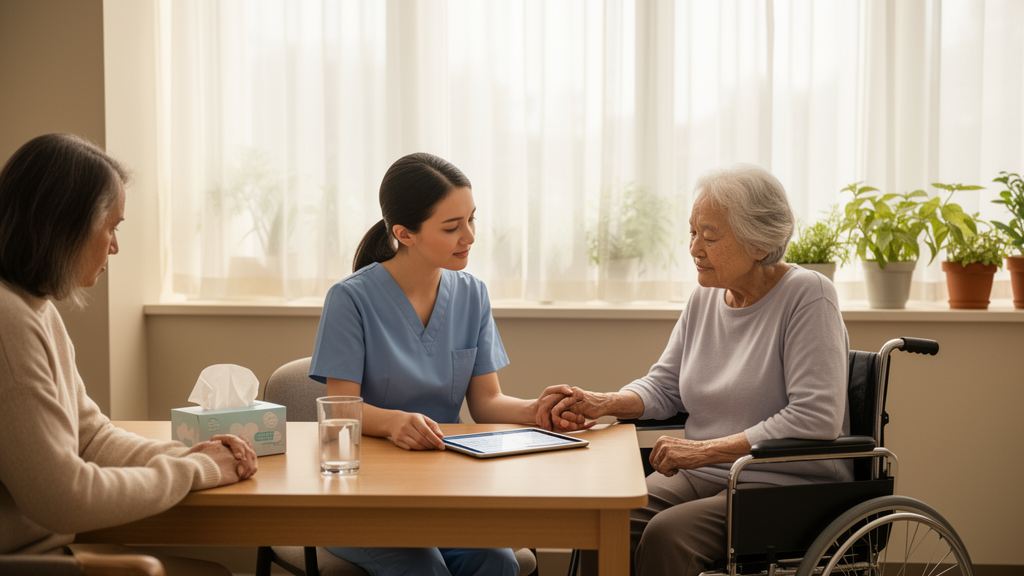
Researchers at The Walton Centre Foundation Trust in Liverpool, working with colleagues at Aintree University Hospital and Queen Elizabeth Hospital in London, developed a best supportive care clinic specifically to address this gap. The clinic enables neurosurgical and clinical nurse specialist review of patients who have been deemed unsuitable for active treatment. Rather than discharging these individuals to the community without further neuro-oncology input, the clinic provides a structured environment where patients can discuss their diagnosis, receive advice on symptom management, and be referred onward to palliative care services when appropriate.
To evaluate the uptake and utility of this clinic, the team retrospectively analysed electronic records of all referrals to the best supportive care clinic between January and May 2024. They collected data on patient demographics, diagnoses, the time taken from initial presentation to diagnosis, the interval between diagnosis and the clinic appointment, the content of discussions during appointments, and subsequent follow-up. This pragmatic audit approach allowed the researchers to capture a real-world picture of how the clinic operates within a busy neuro-oncology service.
Twenty-nine patients were offered an appointment at the best supportive care clinic during the five-month study period. Of these, 72.4 percent, or 21 patients, accepted the invitation. The mean time from MRI diagnosis to a multidisciplinary team decision was 11.8 days, and the mean time from that decision to a clinic appointment was 13.7 days. These relatively short intervals suggest that the clinic can be integrated into the patient pathway without introducing significant delays, ensuring that patients receive supportive input soon after the treatment decision has been made.
Beyond the initial face-to-face consultation, the clinical nurse specialist generated substantial ongoing support. After the first appointment, a further 32 follow-up telephone calls were made across 15 patients, ranging from one to six calls per patient. These calls resulted in 29 distinct interventions by the clinical nurse specialist, including referrals to palliative care services and adjustments to corticosteroid doses. Corticosteroids such as dexamethasone are frequently prescribed to manage peritumoural oedema and associated symptoms in glioma patients, but their dosing requires careful titration to balance symptom relief against side effects such as insomnia, agitation, hyperglycaemia, and immunosuppression. The ability of the clinical nurse specialist to adjust these doses remotely demonstrates how a structured follow-up system can deliver meaningful clinical benefit without requiring patients to attend hospital repeatedly.
The interventions generated through the clinic extend beyond pharmacological management. Referrals to palliative care teams ensure that patients receive holistic support addressing pain, nausea, fatigue, psychological distress, and end-of-life planning. Early palliative care involvement has been shown in broader oncology literature to improve quality of life and, in some cancers, even survival. For brain tumour patients specifically, a Cochrane systematic review published in 2022 examined early palliative interventions for people with primary malignant brain tumours and their carers, highlighting the growing evidence base for integrating palliative approaches from the point of diagnosis rather than reserving them for the terminal phase.
Patient feedback collected through a reported form indicated that patients benefitted from the clinic. This qualitative signal, while not quantified in detail within the abstract, aligns with a substantial body of literature documenting the unmet supportive care needs of brain tumour patients and their families. Studies have shown that patients with glioma experience high rates of symptoms throughout the disease trajectory, including fatigue, cognitive dysfunction, personality changes, and seizures. Family caregivers report even greater levels of distress and unmet need compared with caregivers of patients with other cancer types, partly because of the unique neuropsychiatric burden of brain tumours. A clinic that provides a consistent point of contact, staffed by clinicians who understand the specific trajectory of high-grade glioma, addresses a critical gap that generic community services often cannot fill.
The findings carry important implications for neuro-oncology services worldwide. As populations age and incidence of primary brain tumours continues, the number of patients who will not benefit from active treatment is likely to grow. Services that proactively engage these patients, rather than discharging them, may improve the quality of remaining life, reduce unplanned hospital admissions, and support families through an extraordinarily difficult period. The best supportive care clinic model described by Khanom and colleagues offers a pragmatic, low-cost template that other neuro-oncology centres could adopt. By combining neurosurgical expertise with clinical nurse specialist follow-up, the clinic ensures that even patients who will not receive surgery, radiotherapy, or chemotherapy are not forgotten by the system that diagnosed them.
Subject of Research: A retrospective study of a best supportive care clinic showing high appointment uptake and CNS-led interventions for high-grade glioma patients not receiving active treatment.
Article Title: Clinical outcomes of the best supportive care-clinic for patients with high grade glioma
Article References: Khanom, A. A., Thakkar, J., Rodway, A., Hawes, Z., & Brodbelt, A. (2026). Clinical outcomes of the best supportive care-clinic for patients with high grade glioma. Supportive Care in Cancer, 34(9), Article 916. https://doi.org/10.1007/s00520-026-11165-0
Image Credits: AI Generated
DOI: 10.1007/s00520-026-11165-0
Keywords: high-grade glioma, best supportive care, palliative care, neuro-oncology, clinical nurse specialist, glioblastoma, supportive care clinic, symptom management, MDT, patient feedback, Clinical, outcomes
Cite Scienmag News
Nathaniel Bowman. (October 16, 2026). Supportive Care Clinic Offers Lifeline for High-Grade Glioma Patients. Scienmag. https://scienmag.com/supportive-care-clinic-offers-lifeline-for-high-grade-glioma-patients/
Nathaniel Bowman. "Supportive Care Clinic Offers Lifeline for High-Grade Glioma Patients." Scienmag, 16 October 2026, https://scienmag.com/supportive-care-clinic-offers-lifeline-for-high-grade-glioma-patients/. Accessed 16 October 2026.
Nathaniel Bowman. "Supportive Care Clinic Offers Lifeline for High-Grade Glioma Patients." Scienmag. October 16, 2026. https://scienmag.com/supportive-care-clinic-offers-lifeline-for-high-grade-glioma-patients/


