


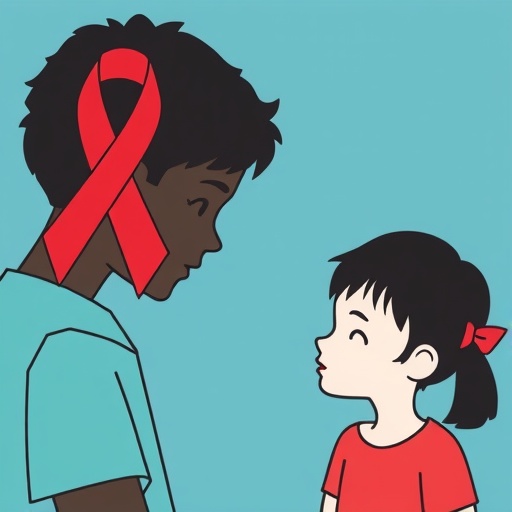
The narrative of healthcare is radicalized when it intersects with the experiences of vulnerable populations, particularly minors facing chronic illnesses like HIV. A recent study, published in the Journal of Child and Adolescent Trauma, dives deep into the complexities surrounding the healthcare journey of a minor patient burdened with both HIV infection and post-traumatic stress disorder (PTSD), stemming from a history of sexual abuse. This case presents a unique intersection of physical and psychological trauma, demanding a nuanced approach in treatment and care.
In the case detailed by Shen, Zhang, and Xu, healthcare providers are confronted with multi-faceted challenges. The minor, already grappling with the profound implications of living with HIV, must navigate an additional layer of emotional and psychological distress due to traumatic experiences. The confluence of these two realities underscores a dire need for a holistic, trauma-informed approach that addresses both the physical health of the patient and their mental health needs.
Identifying potential pathways for effective narrative care in this context is crucial. Narrative care hinges on the recognition that every patient has a story, one that encompasses their medical history, personal experiences, and emotional responses. For this patient, storytelling becomes a therapeutic tool that offers them a voice, enabling them to articulate their fears, struggles, and triumphs. Through validating their experiences, healthcare providers can facilitate a stronger therapeutic alliance, which is essential in fostering a sense of safety and trust.
The role of the healthcare provider extends beyond the clinical domain; it embodies the responsibility of listening intently and empathizing with the patient’s narrative. In the case of the minor patient, the trauma of sexual abuse exacerbates the stigma and challenges associated with HIV. Providers are necessitated to not only treat the physical symptoms but also to create an affirming environment that alleviates the psychological burdens carried by the patient. Building rapport through compassionate communication is pivotal in making the patient feel understood and supported.
Furthermore, culturally sensitive approaches must be integrated into the healthcare process. Each narrative comes with implicit cultural contexts that influence how individuals perceive their health situations. For instance, societal stigma around HIV can be particularly pronounced in certain communities, leading to feelings of isolation and shame. Understanding these cultural dimensions allows healthcare providers to deliver care that is not only clinically effective but also culturally resonant, addressing potential barriers to treatment adherence and emotional wellbeing.
As we delve further into the psychosocial impacts of the patient’s experiences, it becomes clear that trauma-informed care extends well beyond psychology. The physical management of HIV itself requires a consistent regimen of antiretroviral therapy (ART), which poses compliance challenges, particularly in a young patient grappling with PTSD. Adequate support systems must be established to ensure that adherence to ART is facilitated through empowering the patient and providing educational resources tailored to their comprehension level.
Psychological interventions should also be examined within the context of this patient’s unique circumstances. Evidence-based therapeutic modalities such as cognitive behavioral therapy (CBT) can be indispensable for addressing PTSD. CBT offers strategies to reframe negative thought patterns and develop coping mechanisms that mitigate anxiety and fear stemming from past trauma. However, the patient’s willingness to engage in such therapeutic processes hinges on their feeling of safety within the healthcare environment—a testament to the importance of narrative care.
Moreover, interdisciplinary collaboration must become the cornerstone of holistic treatment plans for patients like this minor. This involves an integrated approach where healthcare providers, mental health specialists, social workers, and, where appropriate, legal advocates work in concert to address the patient’s diverse needs. This multi-faceted support network aims to safeguard the minor’s physical and emotional health during their tumultuous journey, recognizing that addressing one aspect in isolation may not yield optimal outcomes.
The ramifications of untreated trauma in vulnerable populations extend far beyond the clinical setting. Long-term psychological distress and untreated physical health issues can lead to a continuum of adverse outcomes, impacting a young person’s development and quality of life. Thus, the healthcare imperative is not merely a question of treatment but rather a commitment to compassionate, comprehensive care that underscores the interplay of health and healing across all dimensions of a young patient’s life.
As we consider the broader implications of the study findings, it becomes evident that systemic limitations must be addressed to enhance the standard of care for marginalized youths facing similar situations. Policymakers and health institutions must prioritize funding and resources to advance training in trauma-informed care practices. By embedding these principles into health curricula and training programs, we can cultivate a generation of providers better equipped to meet the needs of all patients, particularly those facing intersecting vulnerabilities.
Emerging technologies also present an opportunity to enhance narrative care. Digital storytelling platforms and apps can empower minors to articulate their experiences at their own pace and comfort level. Such tools can provide additional outlets for expression and even serve as bridges to the healthcare system, creating pathways for meaningful interactions between patients and providers.
The importance of research in guiding these practices cannot be understated. Investigations like that of Shen et al. not only illuminate the challenges faced by specific patients but also call for broader examination of systemic issues surrounding care for young people with complex needs. Continued exploration in this field is essential in shaping policies that prioritize the mental and physical health of minors in the healthcare landscape. The insights gained from ongoing research can foster a proactive stance towards prevention, treatment, and holistic well-being.
Ultimately, the narrative of care surrounding minors with HIV and PTSD due to trauma is both a call to action and a reminder of the humanity that underpins our healthcare systems. It challenges us to re-conceptualize how we view patients—not merely as cases but as individuals with stories worth knowing, experiences worth understanding, and lives worth improving. By prioritizing narrative care, through compassion, cultural sensitivity, and interdisciplinary collaboration, we can work towards a future where vulnerable youths receive the dignified and comprehensive care they deserve.
As we advance our understanding of healthcare dynamics, we must remain vigilant in advocating for structures that empower every narrative, ensuring that every young patient feels heard, supported, and cared for. In doing so, we lay the groundwork for health systems that are not just effective in treating diseases but transformative in healing lives.
Shen, L., Zhang, J., Xu, D. et al. Narrative Care of a Minor Patient With HIV Infection and Posttraumatic Stress Disorder Due to Sexual Abuse.
Journ Child Adol Trauma (2025). https://doi.org/10.1007/s40653-025-00736-8
Cite Scienmag News
Courtney Benton. (October 18, 2025). Supporting Minors With HIV and PTSD After Trauma. Scienmag. https://scienmag.com/supporting-minors-with-hiv-and-ptsd-after-trauma/
Courtney Benton. "Supporting Minors With HIV and PTSD After Trauma." Scienmag, 18 October 2025, https://scienmag.com/supporting-minors-with-hiv-and-ptsd-after-trauma/. Accessed 3 September 2026.
Courtney Benton. "Supporting Minors With HIV and PTSD After Trauma." Scienmag. October 18, 2025. https://scienmag.com/supporting-minors-with-hiv-and-ptsd-after-trauma/


