

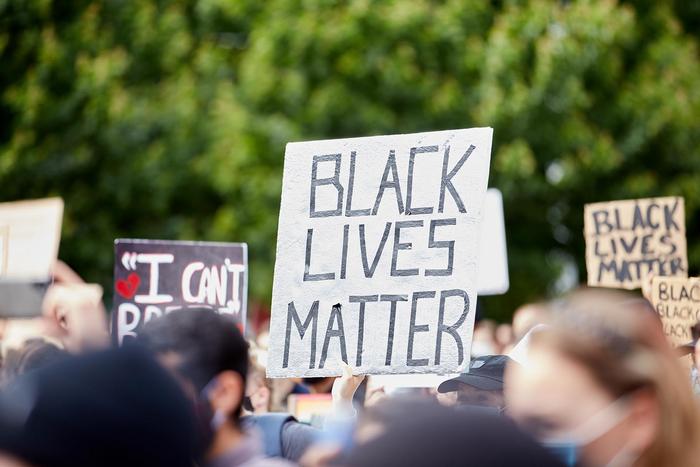
The tragic death of George Floyd on May 25, 2020, marked a pivotal moment in the global discourse on police violence and community response. Intriguingly, recent research led by scholars at Lancaster University provides a profound psychological analysis of the bystander interventions during the fatal incident, offering crucial insights into the dynamics between civilians and law enforcement in critical emergencies. This study, published in the journal American Psychologist, dissects the verbal and physical efforts by bystanders who attempted to intervene while George Floyd was restrained by Minneapolis police officers.
The research team meticulously examined a comprehensive compilation of twelve video sources, ranging from body-worn camera footage of the involved officers to smartphone recordings by bystanders, alongside supplemented surveillance camera data. This detailed synthesis spanned from approximately 19:55 to 20:42 Central Standard Time on the day of the incident, uncovering a nuanced timeline of interactions and interventions. The resulting transcription and analysis elucidate a complex social interplay in the crucible of a lethal police encounter—where bystanders vocally contested the officers’ actions in real time.
From the outset, the bystanders exhibited an intense and multifaceted verbal engagement with the police officers, delivering 205 direct verbal interventions, 177 of which were explicitly directed at law enforcement personnel. These interventions encompassed a broad spectrum of communicative strategies including declarative statements emphasizing Floyd’s humanity, analytical assessments on his physical condition, probing questions challenging police conduct, explicit orders demanding action, and raw expressions of disdain for the officers’ behavior. Such rich diversity in communication tactics reveals the bystanders’ concerted effort to influence the course of events under extreme duress.
The predominant form of bystander communication revolved around making statements concerning Floyd’s physiological state, such as noting visible injuries or expressing concern that he could not breathe. These were frequently coupled with critical evaluations of the restraint methods employed by officers, questioning both their necessity and appropriateness. This pattern of initial assessment followed by questioning served as an escalating strategy aimed at establishing moral and procedural grounds for compelling the police to alter their behavior.
The psychological framework guiding these interventions highlights how bystanders attempt to negotiate legitimacy and accountability in moments of crisis. By posing urgent questions such as "Does he have a pulse?" or actively challenging the continuation of neck restraint techniques, they were effectively invoking a form of immediate social monitoring and ethical oversight. This underscores the potential power of collective civilian agency in policing scenarios, wherein public witnesses act as informal guardians of lawful and humane conduct.
Yet, the officers’ responses to these bystander interventions were largely characterized by dismissal or limited engagement, predominantly constraining interaction to crowd control rather than substantive communication. The research identifies a critical breakdown in reciprocal dialogue, where the police collectively failed to assimilate or respond meaningfully to the concerns raised by civilians despite clear evidence of Floyd’s deteriorating condition. This evidences systemic barriers within law enforcement culture regarding openness to external civilian input during high-stakes interventions.
Notably, officer Lane represents a unique instance of partial engagement with the bystanders’ concerns. On five documented occasions, his responses indicated some acknowledgement of the crowd’s assessments or direct orders, including checking Floyd’s pulse and suggesting positional adjustments. However, these attempts were systematically undermined by the refusal or explicit rejection from fellow officers, particularly officer Chauvin, who dismissed proposals for modifying the restraint or re-evaluating Floyd’s condition. This intra-officer discord further compounded the failure to avert catastrophe.
Analysis led by Professor Mark Levine emphasizes that the persistent and varied bystander interventions embody an extraordinary psychological and social resilience. The willingness of civilians to vocally and physically push against an entrenched system of procedural rigidity reveals a potent if tragically insufficient form of spontaneous social intercession. It is within these “critical moments” that the trajectory toward death could have potentially been deflected, had the officers been more receptive to the ethical challenges posed on the scene.
From a broader socio-legal perspective, this research advocates for a fundamental re-examination of police training and operational protocols. It suggests that officers require comprehensive training to engage constructively with bystanders, treating them not as adversaries or disturbances to be managed, but as stakeholders in a shared duty of care with legitimate concerns and contributions. Emphasizing conversational interaction may foster an environment where transparency, accountability, and humane policing practices are prioritized during public emergencies.
Moreover, this body of work challenges conventional academic perspectives on bystander behavior, which have historically emphasized passivity or unwillingness to intervene. Contrarily, the George Floyd case studies demonstrate sustained, inventive, and emotionally taxing efforts by bystanders to intervene in real time, even in the face of systemic resistance. This paradigm shift compels social scientists and law enforcement agencies alike to reconsider assumptions about civilian engagement in crisis situations.
In conclusion, the Lancaster University research not only chronicles a tragic failure of law enforcement but also elevates the narrative of bystander agency as a potent, though tragically under-supported, force in policing outcomes. By shedding light on the verbal and physical dynamics between bystanders and police officers, this study provides a compelling call for institutional reforms that recognize the critical role of bystanders and center a duty of care framework in law enforcement responses. The enduring legacy of these bystander interventions offers a path toward more just and responsive public safety systems.
Subject of Research: People
Article Title: Bystanders and the Murder of George Floyd: Analyzing Bystander Intervention in the Course of a Police Killing
News Publication Date: 20-May-2025
Web References: DOI: 10.1037/amp0001531
Image Credits: Lancaster University
Keywords: Social psychology, Behavioral psychology, Personality psychology, Criminology, Homicide, Rioting, Law enforcement, Psychological science, Crime, Police


