

Tuesday, August 11, 2026
Science
No Result
View All Result
  • Login
  • HOME
  • SCIENCE NEWS
  • CONTACT US
  • HOME
  • SCIENCE NEWS
  • CONTACT US
No Result
View All Result
Scienmag
No Result
View All Result
Home Science News Medicine

Study Shows Adolescent Brain Remodeling Improves Memory Formation

July 17, 2026
in Medicine
Reading Time: 2 mins read
0
Study Shows Adolescent Brain Remodeling Improves Memory Formation

Study Shows Adolescent Brain Remodeling Improves Memory Formation

65
SHARES
587
VIEWS
Share on FacebookShare on Twitter
ADVERTISEMENT

Scientists have long known the brain keeps refining itself after the teenage years, but the biological “why” has been hard to pinpoint. In a new mouse study from Albert Einstein College of Medicine, researchers identify a late-adolescent remodeling process inside a key memory hub—offering a mechanistic explanation for why recall can temporarily wobble during young adulthood. The work appears today in PLOS Biology, and it reframes adolescence as a period of circuit instability rather than simple maturation.

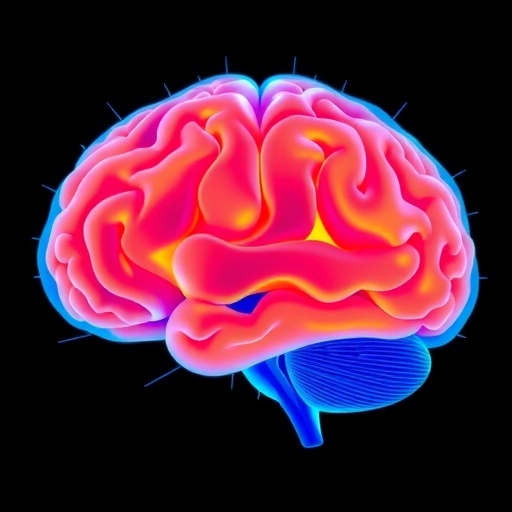
The team focused on the retrosplenial cortex (RSP), a region that helps organize contextual memories. Their central finding involves perineuronal nets (PNNs), protective mesh-like extracellular structures that stabilize synapses and memory pathways. In late adolescence, PNNs in the RSP unexpectedly weaken, then rebuild later in adulthood—while the nearby hippocampus shows no comparable effect.

Senior author Jelena Radulovic explains that earlier developmental models suggested the relevant memory circuits mature during early adolescence. Instead, the data indicate a temporary destabilization later on. As PNN support dips, retrieval of memories formed earlier becomes less reliable, even though the memories are not permanently erased.

To test behavior, the researchers trained mice to associate a chamber with an unpleasant mild foot shock. Shortly afterward, fear memories were strong and robust. But weeks later—when animals were in the adolescent-to-young-adult window—many mice trained during early adolescence failed to show the same freezing response. Importantly, when tested again under a new context, they still responded to the original chamber later, indicating temporary accessibility rather than loss.

Mechanistically, the study links the effect to reduced structural proteins that help construct and maintain PNNs, alongside diminished TGFβ2 activity, a growth-factor signal known to support these nets. When the researchers reinforced the protective network or restored TGFβ2 function, the ability to retrieve earlier memories returned.

By mid-adulthood, previously affected memories resurfaced—often with reduced precision. Instead of responding only to the original environment, mice generalized fear to unfamiliar settings. The authors note that this resembles the human “reminiscence bump,” in which adults preferentially recall experiences from adolescence and early adulthood while remembering emotional significance more readily than exact details.

Finally, the study hints at clinical relevance. Late adolescence is a window when schizophrenia and major depression often emerge. The authors propose that if similar PNN-related circuit remodeling occurs in people, variability in this process could contribute to vulnerability in genetically susceptible individuals.

Subject of Research: Animals (mouse experimental models)
Article Title: “Retrosplenial Cortical Reorganization During Late Adolescence Introduces Instability of Contextual Memory Circuits”
News Publication Date: 17-Jul-2026
Web References: https://doi.org/10.1371/journal.pbio.3003908
References: PLOS Biology (10.1371/journal.pbio.3003908)
Image Credits: Albert Einstein College of Medicine
Keywords: memory, adolescence, brain development, retrosplenial cortex, perineuronal nets, TGFβ2, contextual fear, psychiatric disorders, circuit remodeling, synaptic stabilization

Tags: adolescent brain remodelingadolescent brain structural changesage-related changes in memory pathwaysextracellular matrix in memory stabilizationhippocampus vs retrosplenial corteximpact of PNNs on memory recalllate-adolescent synaptic plasticitymemory formationmemory stability during brain maturationneural circuit instability during adolescenceperineuronal nets in adolescenceretrosplenial cortex development
Share26Tweet16
Previous Post

Prefrontal intermittent theta-burst stimulation alters hemodynamic responses in major depression

Next Post

Noble Metal-Modified Zinc Oxide Nanoflakes Show Enhanced Gas Sensing Properties

Related Posts

GSA CEO James C. Appleby Stepping Down After 18 Years
Medicine

GSA CEO James C. Appleby Stepping Down After 18 Years

August 11, 2026
Chronic Conditions Linked to Aortic Disease Risk in Prospective Cohort Study
Medicine

Chronic Conditions Linked to Aortic Disease Risk in Prospective Cohort Study

August 11, 2026
Entrepreneurs Invited to Enter 2027 SPIE Startup Challenge
Medicine

Entrepreneurs Invited to Enter 2027 SPIE Startup Challenge

August 11, 2026
Neutrophil Traps Drive Liver Metastasis by Disrupting NK Cell Surveillance Through CCDC25
Medicine

Neutrophil Traps Drive Liver Metastasis by Disrupting NK Cell Surveillance Through CCDC25

August 11, 2026
Washington Study Identifies Barriers and Supports for Neurodevelopmental Follow-Up in At-Risk Newborns
Medicine

Washington Study Identifies Barriers and Supports for Neurodevelopmental Follow-Up in At-Risk Newborns

August 11, 2026
Directly Printed Metasurfaces Made from Formulated Optical Materials
Medicine

Directly Printed Metasurfaces Made from Formulated Optical Materials

August 11, 2026
Next Post
Noble Metal-Modified Zinc Oxide Nanoflakes Show Enhanced Gas Sensing Properties

Noble Metal-Modified Zinc Oxide Nanoflakes Show Enhanced Gas Sensing Properties

  • Mothers who receive childcare support from maternal grandparents show more

    Mothers who receive childcare support from maternal grandparents show more parental warmth, finds NTU Singapore study

    27656 shares
    Share 11059 Tweet 6912
  • University of Seville Breaks 120-Year-Old Mystery, Revises a Key Einstein Concept

    1061 shares
    Share 424 Tweet 265
  • Bee body mass, pathogens and local climate influence heat tolerance

    682 shares
    Share 273 Tweet 171
  • Researchers record first-ever images and data of a shark experiencing a boat strike

    546 shares
    Share 218 Tweet 137
  • Groundbreaking Clinical Trial Reveals Lubiprostone Enhances Kidney Function

    531 shares
    Share 212 Tweet 133
Science

Embark on a thrilling journey of discovery with Scienmag.com—your ultimate source for cutting-edge breakthroughs. Immerse yourself in a world where curiosity knows no limits and tomorrow’s possibilities become today’s reality!

RECENT NEWS

  • Machine Learning May Make Prenatal Genetic Testing More Reliable
  • Engineered CAR-T Cells Overcome Key Barriers in Solid Tumors
  • Surface oxygen species guide hydrogen production from methanol on platinum catalysts
  • GSA CEO James C. Appleby Stepping Down After 18 Years

Categories

  • Agriculture
  • Anthropology
  • Archaeology
  • Athmospheric
  • Biology
  • Biotechnology
  • Blog
  • Bussines
  • Cancer
  • Chemistry
  • Climate
  • Earth Science
  • Editorial Policy
  • Marine
  • Mathematics
  • Medicine
  • Pediatry
  • Policy
  • Psychology & Psychiatry
  • Science Education
  • Social Science
  • Space
  • Technology and Engineering

Subscribe to Blog via Email

Enter your email address to subscribe to this blog and receive notifications of new posts by email.

Join 5,149 other subscribers

© 2025 Scienmag - Science Magazine

Welcome Back!

Login to your account below

Forgotten Password?

Retrieve your password

Please enter your username or email address to reset your password.

Log In
No Result
View All Result
  • HOME
  • SCIENCE NEWS
  • CONTACT US

© 2025 Scienmag - Science Magazine

Discover more from Science

Subscribe now to keep reading and get access to the full archive.

Continue reading
