


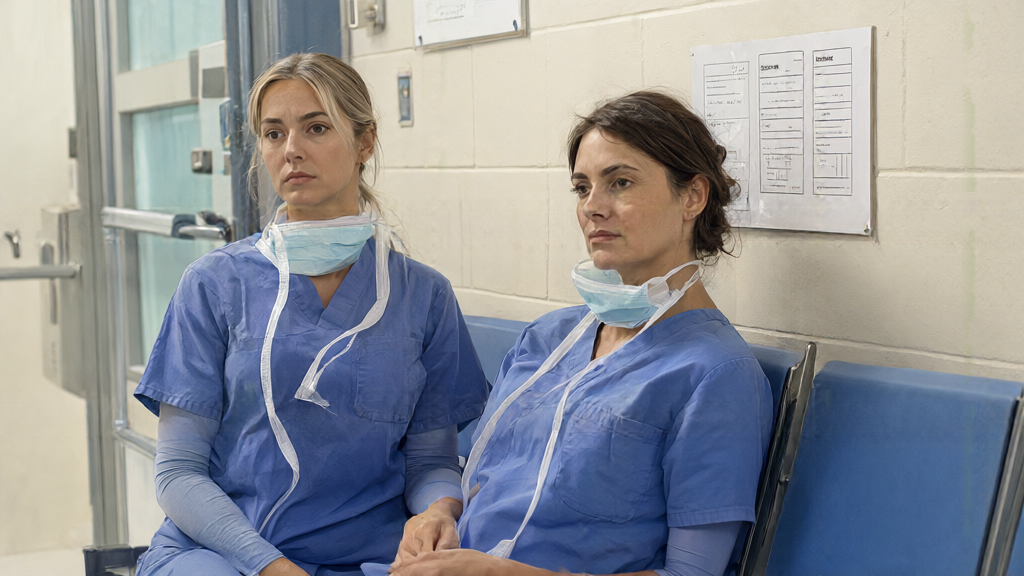
A new study published in the journal Nursing Inquiry provides a detailed account of the multifaceted violence endured by nurses and midwives in Latin America during the COVID-19 pandemic. The research, led by Allison Squires, a professor at New York University’s Rory Meyers College of Nursing, moves beyond the common focus on physical aggression to highlight the significant ethical and emotional harm experienced by healthcare professionals. Squires, who also directs the Global Consortium of Nursing & Midwifery Studies, emphasizes that the findings reveal a regional pattern of harm that has remained underrecognized until now. The study suggests that the suffering was not merely a result of the virus itself, but a complex interplay of care overload, social stigma, and structural accountability within the health systems of the region.
The pandemic placed extreme pressure on health systems worldwide, increasing the workload and exposure of the workforce to various forms of harm. While violence against health professionals, including abuse, threats, and aggression that threatens physical and psychological well-being, was prevalent long before the pandemic, existing studies indicate that such violence intensified significantly during the crisis. However, the current research expands the definition of violence to include less visible versions of harm, such as moral distress and moral injury. These concepts are critical to understanding the full scope of the pandemic’s impact on the nursing workforce, particularly in regions with historically precarious working conditions.
Moral distress occurs when professionals are aware of the appropriate course of action but are unable to act on it due to system and resource constraints. In contrast, moral injury refers to more enduring psychological harm resulting from events such as acting against one’s core values, bearing constant witness to unnecessary suffering, or being unfairly blamed for systemic failures. The study highlights that these forms of suffering are distinct from physical violence but are equally damaging to the well-being of nurses and midwives. By analyzing these specific types of harm, the researchers aim to provide a more comprehensive understanding of the challenges faced by healthcare workers in Latin America and the Caribbean.
Significant gaps remained in understanding these experiences as they occurred in Latin America, a region marked by fragile health systems and historically precarious working conditions. To address this, an international team of researchers conducted what is described as one of the largest nursing workforce studies ever performed in the region. The study assessed how nursing professionals experienced and described different forms of violence during the pandemic. The research team analyzed written responses from 3,860 nurses and midwives across 18 Latin American and Caribbean countries who completed a questionnaire for the Global Consortium of Nursing & Midwifery Studies. This extensive data collection allowed for a broad and diverse perspective on the pandemic’s impact on the nursing workforce.
Data for the study were collected from July 2022 to May 2025, covering the final period of the COVID-19 pandemic and the following two years. This timeframe was crucial for capturing the immediate effects of the crisis as well as the lingering impacts that persisted in the aftermath. The researchers found recurring patterns in the narratives of emotional overload, professional challenges, and exposure to multiple forms of violence. Three interconnected themes emerged from the analysis: direct violence, stigma and fear, and ethical-political suffering associated with structural blame. These themes provide a framework for understanding the complex dynamics of harm experienced by nurses and midwives in the region.
The first theme, direct violence, included instances of verbal and physical aggression. The second theme involved stigma, fear, and the disruption of social belonging, such as the fear of contagion and subsequent isolation. The third theme, ethical-political suffering, was associated with structural blame, where nurses were held responsible for failures beyond their control. These failures included a lack of beds and medicines, as well as long wait times for care. Despite contextual differences across the region, the researchers noted that in countries with weaker healthcare systems, the intensity of blaming nurses for structural issues increased. This finding underscores the link between systemic weaknesses and the specific types of violence experienced by healthcare workers.
The authors argue that this regional pattern suggests that violence against nurses is not an episodic phenomenon but rather a persistent structural phenomenon rooted in longstanding inequities in the organization of Latin American and Caribbean health systems. These inequities became more visible under the extreme conditions of the pandemic. The study indicates that the pandemic acted as a magnifying glass, revealing deep-seated issues in the health systems that had existed for years. By identifying these structural roots, the research provides a basis for developing more effective policies and interventions to protect healthcare workers in the future.
The researchers note that their findings underscore the need for policies that strengthen workforce protection, ethical accountability, and institutional support in both routine healthcare settings and future public health emergencies. The study suggests that addressing the structural issues that contribute to violence and moral injury is essential for improving the well-being of nurses and midwives. This includes ensuring that healthcare systems have adequate resources and that there are clear mechanisms for accountability that do not unfairly place the burden on individual healthcare workers. The findings have implications for policy makers and health system leaders in Latin America and beyond, highlighting the importance of a holistic approach to workforce protection.
The study was supported by the National Council for Scientific and Technological Development of Brazil, with a grant number of 443719/2023-3. The international team of authors included researchers from various institutions in Brazil, Mexico, the Dominican Republic, and Venezuela. The collaboration between these institutions allowed for a comprehensive analysis of the data collected from the 18 countries. The study’s publication in Nursing Inquiry, a peer-reviewed journal, adds to the growing body of evidence on the impact of the pandemic on healthcare workers. The research contributes to the global conversation on the need for better support and protection for nurses and midwives, particularly in regions with fragile health systems.
This study provides a valuable insight into the experiences of nurses and midwives in Latin America during the COVID-19 pandemic. By highlighting the various forms of violence and moral injury they endured, the research calls for a reevaluation of how health systems support their workforce. The findings emphasize the need for a more nuanced understanding of the challenges faced by healthcare workers, one that goes beyond physical safety to include ethical and emotional well-being. As the world continues to grapple with the aftermath of the pandemic, the lessons learned from this study can inform future efforts to protect and support the nursing workforce, ensuring that they are equipped to handle the demands of their profession in both routine and emergency settings.
Subject of Research: Healthcare Workforce
Article Title: COVID-19 pandemic drove violence, moral suffering for nurses in Latin America
Article References: COVID-19 pandemic drove violence, moral suffering for nurses in Latin America. (n.d.). Original publication
Image Credits: AI Generated
DOI: Not provided
Keywords: Nursing, Latin America, COVID-19, Moral Injury, Health Policy, Workplace Violence, pandemic, drove, violence, moral, suffering, nurses
Cite Scienmag News
Kristina Jarvis. (October 2, 2026). Study identifies structural violence and moral injury among Latin American nurses during pandemic. Scienmag. https://scienmag.com/study-identifies-structural-violence-and-moral-injury-among-latin-american-nurses-during-pandemic/
Kristina Jarvis. "Study identifies structural violence and moral injury among Latin American nurses during pandemic." Scienmag, 2 October 2026, https://scienmag.com/study-identifies-structural-violence-and-moral-injury-among-latin-american-nurses-during-pandemic/. Accessed 4 October 2026.
Kristina Jarvis. "Study identifies structural violence and moral injury among Latin American nurses during pandemic." Scienmag. October 2, 2026. https://scienmag.com/study-identifies-structural-violence-and-moral-injury-among-latin-american-nurses-during-pandemic/


