


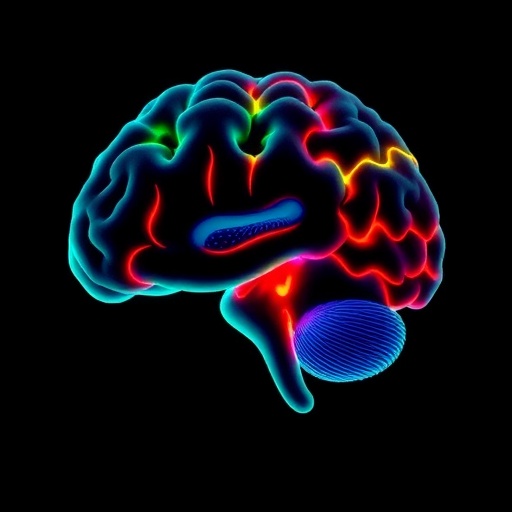
A new postmortem study is drawing attention to the chemistry of the human brain after suicide, suggesting that patterns in fatty molecules may be linked not only to suicidal death but also to age and environmental experience. Published in Translational Psychiatry, the exploratory research examined lipid composition in the anterior cingulate cortex, a brain region involved in emotional regulation, decision-making, pain processing, conflict monitoring and the evaluation of socially significant experiences. The authors, Karnecki, Mika, Śledziński and colleagues, report that the lipid landscape of this region showed multivariate patterns shaped by several interacting factors. The findings do not identify a single “suicide molecule,” nor do they establish that altered lipids cause suicidal behavior. Instead, they add to a growing body of research suggesting that mental health outcomes may emerge from complex biological systems influenced by development, aging and the environment.
Lipids are often described simply as fats, but in the brain they form an extraordinarily diverse molecular network. They build cellular membranes, insulate nerve fibers, store energy and act as signaling molecules that help neurons respond to stress, inflammation and changes in their surroundings. Phospholipids, sphingolipids, cholesterol-related compounds and other lipid classes determine the physical properties of neuronal membranes, including their flexibility and the behavior of embedded receptors and ion channels. These molecules can also influence how efficiently neurons communicate at synapses. Because the brain is rich in lipids and depends on tightly regulated membrane chemistry, even subtle shifts may affect biological pathways related to mood, cognition and stress responses. Measuring these molecules after death is therefore a way to investigate the biochemical state of the brain, while recognizing that postmortem tissue reflects both life history and changes that may occur around or after death.
The study focused on the anterior cingulate cortex, or ACC, a section of the frontal brain that acts as a bridge between emotion and executive control. Neuroimaging studies have repeatedly implicated the ACC in depression, anxiety, chronic pain, reward processing and the monitoring of errors or conflict. It is not a single-purpose “suicide center”; rather, it participates in networks that help people interpret internal distress, regulate impulses and adapt to difficult circumstances. By analyzing lipid composition in this region, the researchers sought to examine whether people who died by suicide displayed distinctive biochemical profiles and whether those profiles varied according to characteristics such as age or environmental background. The wording of the study is important: the investigation is exploratory, meaning it is intended to generate biological hypotheses that can be tested in larger and independently collected samples.
A central feature of the work is its use of multivariate analysis. Instead of examining one lipid at a time, multivariate methods consider many molecular measurements together, searching for combinations that distinguish groups or reveal associations with other variables. This approach is particularly useful for lipidomics, where hundreds or thousands of related molecular species may change in coordinated ways. A single lipid can be influenced by diet, medication, illness, tissue preservation or normal aging, making isolated differences difficult to interpret. Patterns across multiple lipid classes may provide a more informative picture of membrane biology and cellular signaling. At the same time, complex statistical models can detect associations that are difficult to reproduce, especially when the sample is limited or when many variables are tested. The study’s exploratory status means its patterns should be viewed as leads for future research, not as validated diagnostic signatures.
Age appears to be especially important in interpreting postmortem brain chemistry. Lipid metabolism changes throughout life as neuronal membranes, mitochondrial function, inflammatory activity and vascular health evolve. Older brains may show different proportions of membrane components than younger brains even in the absence of psychiatric illness. If age is not carefully considered, a molecular pattern could be mistakenly attributed to suicide when it actually reflects normal biological aging or the medical conditions that become more common later in life. The reported findings emphasize that biological signals associated with suicidal death cannot be separated easily from the life stage of the individuals studied. This is a broader lesson for psychiatric neuroscience: the molecular biology of distress is unlikely to be identical in adolescents, young adults, middle-aged people and older adults.
The study also highlights environmental factors, which can shape the brain over years or decades. Nutrition, exposure to pollutants, socioeconomic conditions, chronic stress, trauma, physical illness, medication use and substance exposure can all influence lipid metabolism. Some environmental effects may act directly on cellular pathways, while others may alter sleep, inflammation, hormone regulation or cardiovascular health, which in turn affect the brain. The term “environment” should therefore not be interpreted as a single exposure or a simple explanation for individual behavior. It represents a large set of interacting influences that may leave biological traces in tissue. By showing that environmental context can affect the interpretation of lipid patterns, the research cautions against treating postmortem molecular differences as purely intrinsic features of a person’s psychiatric history.
The findings may eventually help researchers understand how stress-related biology, inflammation and neuronal communication intersect, but substantial scientific barriers remain. Postmortem studies cannot capture every change that occurred during life, and tissue collected after death may be affected by the interval before preservation, storage conditions, cause of death, physical health and medications. People who die by suicide are also not a biologically uniform group. Their experiences, diagnoses, treatment histories and circumstances can differ widely, and comparison groups may differ in equally important ways. These factors can create confounding, in which a measured lipid pattern reflects an associated condition rather than a mechanism specific to suicidal behavior. Replication in larger cohorts, inclusion of carefully matched controls and integration with clinical, genetic, toxicological and environmental data will be necessary before any biological interpretation becomes robust.
The research is unlikely to produce an immediate clinical test, and it should not be used to predict suicide risk in individuals. A lipid profile from brain tissue cannot currently be translated into a blood test, brain scan or screening tool, and no molecular result can determine whether a person will attempt suicide. The value of the study lies instead in refining questions about the biology of severe psychological distress. Future investigations could examine whether the reported patterns also appear in living patients, whether they change with treatment, and how they relate to inflammation, energy metabolism or synaptic function. Researchers may also explore whether different age groups or environmental histories show distinct molecular pathways, rather than searching for one universal biological explanation.
As the field develops, the most important message is that suicide is a complex public-health phenomenon shaped by biological, psychological and social forces. Molecular research can illuminate one layer of that complexity, but it cannot replace careful attention to lived experience, access to care, social support and prevention. The new study of anterior cingulate lipids offers a detailed biochemical snapshot and a set of hypotheses about how age and environment may influence the brain’s molecular architecture. Its significance will ultimately depend on whether future studies reproduce the patterns and connect them to mechanisms that can improve prevention or treatment. For now, the work adds a cautious but intriguing piece to the scientific picture: the brain’s lipid composition is not static, and its meaning depends on the life history written into the tissue.
Cite Scienmag News
Glenn Wilkins. (August 15, 2026). Study Finds Age and Environment Shape Anterior Cingulate Lipid Profiles After Suicide. Scienmag. https://scienmag.com/study-finds-age-and-environment-shape-anterior-cingulate-lipid-profiles-after-suicide/
Glenn Wilkins. "Study Finds Age and Environment Shape Anterior Cingulate Lipid Profiles After Suicide." Scienmag, 15 August 2026, https://scienmag.com/study-finds-age-and-environment-shape-anterior-cingulate-lipid-profiles-after-suicide/. Accessed 3 September 2026.
Glenn Wilkins. "Study Finds Age and Environment Shape Anterior Cingulate Lipid Profiles After Suicide." Scienmag. August 15, 2026. https://scienmag.com/study-finds-age-and-environment-shape-anterior-cingulate-lipid-profiles-after-suicide/


