


New insights from researchers at the University of Waterloo have illuminated the intricate relationship between dietary potassium and sodium intake and their effects on blood pressure regulation. This groundbreaking study suggests that an increase in dietary potassium may be more beneficial for managing blood pressure than merely reducing sodium. High blood pressure, which affects over 30% of the adult population worldwide, stands as a primary contributor to severe health issues such as coronary heart disease, stroke, chronic kidney disease, and other cardiovascular complications.
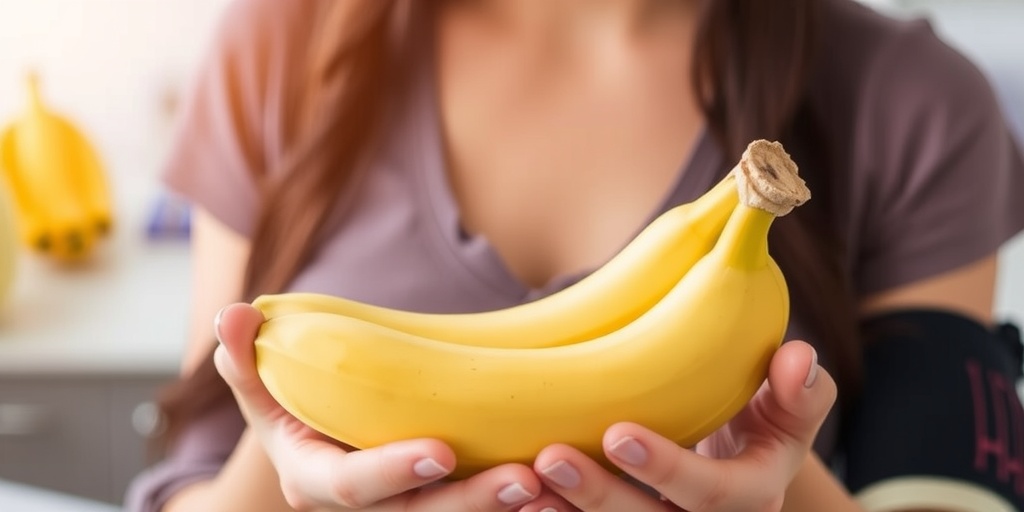
Traditionally, dietary guidelines for individuals facing hypertension have centered on reducing salt intake, given sodium’s well-documented association with elevated blood pressure levels. However, the new findings by a group of researchers, including Professor Anita Layton, indicate that the focus should also shift toward enhancing the potassium-to-sodium intake ratio. Potassium-rich foods such as bananas, spinach, potatoes, avocados, and certain legumes not only present delicious options but also exploit a fundamental physiological mechanism that could lead to better health outcomes.
Historically, dietary patterns have shifted dramatically from those of our ancestors, who consumed a diet rich in fruits and vegetables. This evolution in dietary habits likely altered our body’s regulatory systems, which may now function optimally under conditions of higher potassium and lower sodium levels. According to Layton, the study highlights the critical need to reassess dietary recommendations in light of modern eating habits characterized by a significant sodium surplus compared to potassium deficiency.
The researchers utilized a mathematical model designed to assess how variations in the potassium-to-sodium ratio affect blood pressure. This method offers a unique vantage point, enabling a comprehensive analysis of how the two electrolytes interact within the body. Such mathematical modeling techniques can illuminate complex physiological processes, making it easier to understand the ramifications of dietary adjustments without the immediate need for costly or ethically complicated experiments.
Moreover, the study introduced notable sex differences in response to dietary variations. The researchers found that men tend to experience elevated blood pressure more readily than pre-menopausal women. However, an increase in the potassium-to-sodium ratio appears to have a more pronounced beneficial effect on men. This information underscores the necessity for personalized dietary recommendations that take gender differences into account.
Complementing this research is the compelling narrative about Western dietary patterns, which have increasingly favored processed foods high in sodium while falling short of providing the necessary potassium found in natural food sources. This shift may contribute to the epidemic of hypertension particularly prevalent in industrialized societies. Such insight strengthens the argument for dietary reforms aimed at reinstituting a balance that harmonizes with our evolutionary dietary preferences.
The implications of these findings are vast. As healthcare professionals begin to implement new dietary strategies, incorporating more potassium-rich foods could serve as a proactive approach in combatting high blood pressures before they escalate into critical health issues. The mathematical model not only aids in predicting outcomes from dietary changes but also sets the foundation for future studies seeking to unravel further complexities of diet and its effects on health.
Notably, this research lays the groundwork for further exploration into how modeling can be integrated into nutritional science to provide rapid, cost-effective solutions for dietary interventions. Through advancing knowledge in this direction, the medical community may more effectively tackle the multifaceted problem of hypertension and its numerous health consequences.
In summary, the University of Waterloo’s findings represent a significant leap towards refining dietary guidelines for blood pressure management. By advocating for a dual approach that emphasizes both the reduction of sodium and an increase in potassium intake, public health advisories can more comprehensively address the nuances of hypertension. As public awareness grows, individuals can make informed choices about their diets, leading to healthier lifestyles and potentially decreasing the prevalence of hypertension-related ailments.
The study titled “Modulation of blood pressure by dietary potassium and sodium: sex differences and modeling analysis” was published in the American Journal of Physiology-Renal Physiology. This research serves as a clarion call to rethink conventional dietary recommendations and offers a path toward a future where dietary adjustments can fundamentally alter our health landscape for the better.
Cite Scienmag News
Reid Dalton. (April 14, 2025). Struggling with High Blood Pressure? Increase Your Banana Intake! Scienmag. https://scienmag.com/struggling-with-high-blood-pressure-increase-your-banana-intake/
Reid Dalton. "Struggling with High Blood Pressure? Increase Your Banana Intake!" Scienmag, 14 April 2025, https://scienmag.com/struggling-with-high-blood-pressure-increase-your-banana-intake/. Accessed 4 September 2026.
Reid Dalton. "Struggling with High Blood Pressure? Increase Your Banana Intake!" Scienmag. April 14, 2025. https://scienmag.com/struggling-with-high-blood-pressure-increase-your-banana-intake/


