

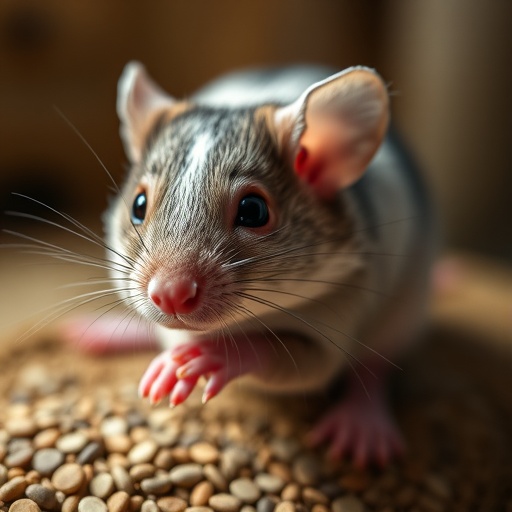
In a groundbreaking study published in Sci Nat, researchers have unveiled the potential of stigmasterol, a phytosterol prevalent in various plant sources, as a powerful agent in restoring testicular and sperm function in ICR mice subjected to conditions of high oxidative stress. Oxidative stress, a condition marked by an excess of free radicals that surpass the body’s antioxidant defenses, poses a significant risk to male reproductive health. This study evokes immense interest, shedding light on the mechanisms by which stigmasterol could mitigate cellular damage and promote reproductive efficacy.
The meticulous research conducted by Mararajah, S., Giribabu, N., Korla, P.K., and colleagues uncovers the profound impact of stigmasterol on testicular tissues and sperm parameters in the context of oxidative stress. The research took place within a controlled laboratory setting, employing mature male ICR mice that were deliberately exposed to oxidative stress to simulate adverse reproductive conditions. Through precise experimentation, the team sought to understand how stigmasterol influences testicular health—a critical factor for male fertility.
Upon administering stigmasterol to the mice, the researchers observed a remarkable restoration of both testicular architecture and sperm quality. Histopathological examinations illustrated that stigmasterol effectively preserved the integrity of testicular tissues, which are often compromised under high oxidative stress conditions. This observation underscores the compound’s protective capabilities against oxidative damage at the cellular level, revealing a potential therapeutic avenue for male infertility associated with oxidative insult.
Moreover, the study delves deep into the biochemical implications of stigmasterol treatment. The researchers documented significant reductions in markers of oxidative stress, such as malondialdehyde (MDA) levels, while antioxidant enzyme activities, including superoxide dismutase (SOD) and catalase, showed commendable enhancements. This enzymatic profile suggests that stigmasterol may bolster the body’s intrinsic defense mechanisms, effectively counteracting the deleterious effects of oxidative stress. By re-establishing a balance between oxidative forces and the antioxidant system, stigmasterol emerged as a formidable ally in safeguarding reproductive function.
In addition to the biochemical benefits observed, the study highlighted the profound improvements in sperm quality metrics following stigmasterol administration. Parameters such as sperm count, motility, and morphology were significantly enhanced, suggesting that the supplementation of stigmasterol has the potential to reverse the adverse effects of oxidative stress on sperm health. These findings are particularly significant in the context of rising male infertility rates globally, prompting a reevaluation of dietary and lifestyle interventions aimed at improving reproductive health.
The implications of this research reach beyond the confines of the laboratory. With the rise of environmental pollutants and unhealthy lifestyle choices leading to increased oxidative stress in men, nature-derived solutions like stigmasterol warrant serious consideration. The natural origins of stigmasterol pose minimal risk compared to synthetic options, making it an appealing alternative for those seeking to enhance their reproductive health through dietary means.
Furthermore, the study underscores the need for continued research into the role of plant-based compounds in reproductive health. As the body of evidence supporting the benefits of phytosterols grows, the scientific community is called to explore the mechanisms of action more comprehensively and to investigate the potential of other similar compounds. This will not only enhance our understanding of male reproductive physiology but may also lead to novel intervention strategies in managing infertility.
Modern lifestyles and dietary habits severely deplete the antioxidants in our bodies, intensifying the demand for supplemental measures that can replenish these crucial protective agents. Stigmasterol, abundant in various food sources such as nuts, seeds, and certain vegetables, may be easily integrated into daily diets, promoting a proactive approach to health. Given its compatibility with both conventional dietary restrictions and a growing interest in plant-based nutrition, stigmasterol presents a multifaceted potential for enhancing reproductive health.
Importantly, the findings from this research highlight the relevance of continued funding and support for studies focused on natural remedies. The economic implications of male infertility are staggering—not only on individual families but also on public health systems globally. Therefore, fostering research that aims to unveil the secrets latent in nature may prove invaluable in addressing pressing reproductive health concerns.
In conclusion, the innovative work of Mararajah et al. presents promising evidence of stigmasterol’s potential in combating oxidative stress within the realm of male reproductive health. As we stand on the precipice of an era that increasingly acknowledges the importance of fertility and reproductive health, the pursuit of natural, effective interventions like stigmasterol promises not just hope, but tangible pathways for enhancing male fertility outcomes.
This pivotal research not only opens new avenues for investigation but also urges individuals and healthcare practitioners to take a closer look at the vital role of nutrition in reproductive health. In a world where stressors abound, embracing natural solutions such as stigmasterol could redefine the future of male fertility, paving the way for healthier generations to come.
Subject of Research: The effects of stigmasterol on testicular and sperm function in ICR mice exposed to oxidative stress.
Article Title: Stigmasterol restores testicular and sperm function in ICR mice exposed to high oxidative stress condition.
Article References:
Mararajah, S., Giribabu, N., Korla, P.K. et al. Stigmasterol restores testicular and sperm function in ICR mice exposed to high oxidative stress condition. Sci Nat 113, 18 (2026). https://doi.org/10.1007/s00114-025-02056-1
Image Credits: AI Generated
DOI: 23 January 2026
Keywords: Stigmasterol, oxidative stress, testicular function, sperm health, reproductive health, phytosterols.


