

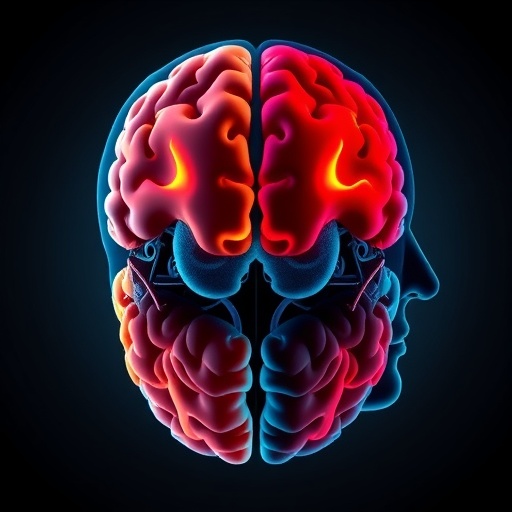
Migraine headaches represent a complex neurological disorder that extends far beyond the common perception of a severe headache. Often described by sufferers as a “brain on fire” or feeling like “an ice pick through the head,” migraines afflict more than one in ten Americans, imposing an immense burden of pain and disability. These episodes are marked not only by intense head pain but also by associated symptoms such as nausea, visual disturbances, and sensitivity to light and sound. Migraine is recognized as one of the leading causes of disability worldwide, yet its diagnosis and treatment remain reliant on subjective symptom description, offering limited precision in medical care.
The challenge in effectively managing migraine lies partly in the heterogeneity of the disorder itself. Traditional clinical frameworks classify migraine into two broad categories: episodic and chronic, depending on the frequency of headache days per month. Preventive pharmacological treatments, including beta blockers and anticonvulsants, are primarily targeted at chronic migraine patients, those experiencing 15 or more headache days monthly. This binary classification, however, may not capture the underlying biological diversity of migraine, leading to suboptimal treatment pathways and disenfranchisement of many patients who might otherwise benefit from preventive therapies.
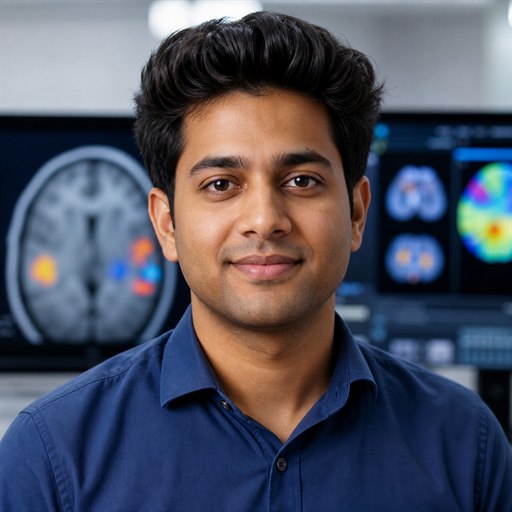
Seeking to revolutionize migraine classification, Dr. Robert Cowan, a clinical professor of neurology at Stanford specializing in headache research, spearheaded the largest and most comprehensive study to date using functional magnetic resonance imaging (fMRI). This advanced neuroimaging technology measures brain activity by detecting changes in blood flow, offering unprecedented insights into the functional abnormalities underpinning migraine. By leveraging sophisticated computational methods, Cowan’s team aimed to transcend symptom-based diagnosis and unravel biologically distinct migraine subtypes.
The study enrolled 111 migraine patients alongside 51 control participants without migraine, collecting a rich dataset comprising detailed clinical profiles, demographics, structural MRI of brain anatomy, and functional MRI scans. Rather than hypothesizing targeted biomarkers, the approach relied on unsupervised machine learning algorithms to identify natural clusters within the brain imaging data. Interestingly, functional imaging demonstrated substantially greater discriminatory power in segregating patient phenotypes compared to structural scans, highlighting the significance of dynamic brain activity patterns over anatomical variation in migraine pathophysiology.
Two distinct biological subtypes, referred to as cluster 1 and cluster 2, emerged from the data. Cluster 1 patients exhibited brain activity patterns closely resembling those of healthy controls and generally experienced milder migraine symptoms. In contrast, cluster 2 patients displayed pronounced alterations in blood flow, particularly disruptions in communication between cortical and subcortical regions, a hallmark of sensory processing dysfunction. These neural signatures suggest that cluster 2 migraineurs have an exaggerated brain response to sensory input, potentially explaining their heightened sensitivity and more debilitating migraine experiences.
Fascinatingly, the frequency of migraine attacks did not differ significantly between clusters, indicating that the conventional episodic versus chronic migraine dichotomy fails to reflect the complexity of migraine biology. Cluster 2 individuals were generally older, endured longer-lasting attacks, and reported more severe disability, underscoring the necessity to move beyond simplistic clinical designations. This paradigm shift prompts profound implications for future migraine management, emphasizing precision medicine approaches tailored to neurobiological profiles rather than solely on attack frequency.
Dr. Cowan’s team is now exploring the correlation between these brain imaging subtypes and blood-based biomarkers, alongside expanded clinical features, to refine predictive algorithms for treatment response. They hypothesize that some patients classified as episodic, particularly those in cluster 2, might derive considerable benefit from preventive daily medications traditionally reserved for chronic migraineurs. The pursuit of accessible clinical criteria aligned with these biological subtypes aims to democratize personalized migraine care, especially since fMRI remains an expensive and resource-intensive procedure limiting widespread application.
From a conceptual standpoint, the findings illuminate how evolutionary neural mechanisms designed to protect the organism from harm might maladaptively amplify pain perception in migraine. The brain’s usual function of generating pain signals in response to potentially dangerous sensory stimuli is distorted, eliciting excessive and prolonged pain even from innocuous triggers. This maladaptive sensory amplification aligns with the observed blood flow abnormalities between cortical regions responsible for sensory integration and subcortical structures regulating pain modulation, hallmark features distinguishing cluster 2 from cluster 1.
The study’s innovative data-driven methodology highlights the utility of computational neuroscience in redefining neurological disorders. By integrating functional neuroimaging with clinical data, researchers achieved an objective, biologically grounded migraine taxonomy that could pave the way for improved diagnostic precision, prognostication, and optimized treatment regimens. This nuanced understanding challenges the current “trial and error” paradigm of migraine therapy, moving towards evidence-based stratification that acknowledges the heterogeneity in pathophysiology and symptomatology.
Ultimately, Dr. Cowan emphasizes that the ongoing efforts aim to translate these research insights into clinical practice. Identifying reliable, non-imaging markers for biological subtypes will empower clinicians to make informed decisions regarding preventive treatment, even for patients with lower headache frequency but more severe neurobiological profiles. Such advancements promise to alleviate the discrepancy between clinical guidelines and patient needs, ensuring more equitable access to effective migraine care.
Supported by funding from the SunStar Foundation, this groundbreaking study published in the journal Cephalalgia marks a significant leap forward in migraine research. As classification systems evolve to incorporate neurobiological subtypes, the future of migraine management anticipates personalized therapeutic strategies tailored to the unique brain activity signatures of each patient, ultimately improving quality of life for millions affected worldwide.
News Publication Date: 26-Mar-2026
Web References: http://dx.doi.org/10.1177/033310242614339
References: Study published in Cephalalgia
Cite Scienmag News
Colin Clarke. (May 8, 2026). Stanford Medicine Researchers Identify Migraine Headache Subtypes Through Brain Imaging. Scienmag. https://scienmag.com/stanford-medicine-researchers-identify-migraine-headache-subtypes-through-brain-imaging/
Colin Clarke. "Stanford Medicine Researchers Identify Migraine Headache Subtypes Through Brain Imaging." Scienmag, 8 May 2026, https://scienmag.com/stanford-medicine-researchers-identify-migraine-headache-subtypes-through-brain-imaging/. Accessed 5 September 2026.
Colin Clarke. "Stanford Medicine Researchers Identify Migraine Headache Subtypes Through Brain Imaging." Scienmag. May 8, 2026. https://scienmag.com/stanford-medicine-researchers-identify-migraine-headache-subtypes-through-brain-imaging/


