


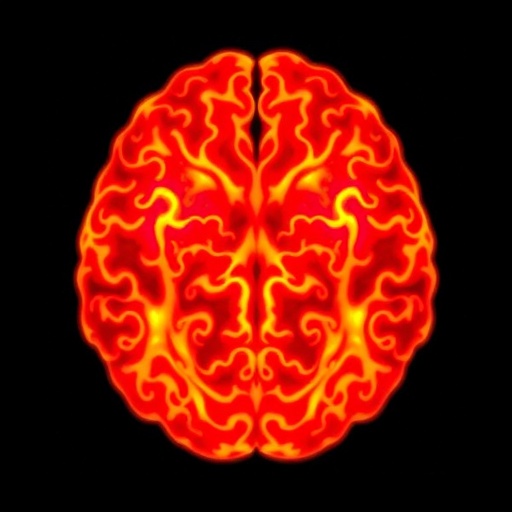
In the relentless pursuit of effective therapies against aggressive brain tumors, recent groundbreaking research has illuminated new pathways to combat glioblastoma, a form of cancer notorious for its resistance to conventional treatments. The study conducted by Mishchenko, Olajide, Gorshkova, and colleagues, published in Cell Death Discovery, signals a paradigm shift in understanding how temozolomide (TMZ), a frontline chemotherapeutic agent, can be reprogrammed to overcome the elusive defense mechanisms of glioblastoma through advanced insights into regulated and immunogenic cell death pathways.
Glioblastoma multiforme stands as one of the most formidable challenges in oncology. Characterized by rapid growth and invasive tendencies, it defies many standard treatments, often due to its inherent heterogeneity and adaptive resistance. TMZ has long served as a standard-of-care drug, primarily owing to its capacity to induce DNA damage that ultimately triggers cell death. However, the dismal survival rates suggest an urgent need to enhance its therapeutic efficacy. Mishchenko et al. offer a promising avenue by focusing on the cell death modalities that can be manipulated to tip the balance towards tumor eradication.
Central to their investigation is the concept of regulated cell death (RCD) and how its diverse forms influence tumor dynamics. Unlike uncontrolled necrosis, RCD encompasses a spectrum of highly orchestrated processes, including apoptosis, necroptosis, pyroptosis, and ferroptosis, each characterized by distinct molecular signatures and cellular consequences. The novelty of this research lies in dissecting how the modulation of these pathways during TMZ treatment can potentiate not only tumor cell demise but also the elicitation of robust anti-tumor immune responses.
The researchers meticulously analyzed the interplay between TMZ-induced DNA damage and the various RCD modalities activated in glioblastoma cells. They discovered that traditional apoptotic responses alone fail to maximize TMZ’s therapeutic potential because glioblastoma cells have developed resistance mechanisms that blunt apoptosis signaling. By contrast, alternative modes of cell death like ferroptosis—a form of iron-dependent lipid peroxidation cell death—and immunogenic cell death (ICD) showed profound effects in re-sensitizing tumor cells to TMZ.
One critical revelation of the study is the immunogenic nature of certain RCD pathways. ICD, unlike other forms of cell death, provokes the release of damage-associated molecular patterns (DAMPs), such as calreticulin, ATP, and HMGB1, which activate dendritic cells and prime cytotoxic T lymphocytes. This phenomenon bridges the gap between chemotherapy and immunotherapy, suggesting that effective tumor control may require harnessing the immune system alongside direct cytotoxic effects. Mishchenko et al. demonstrate that manipulating TMZ response to promote ICD can convert the tumor microenvironment from immunosuppressive to immunostimulatory.
The researchers utilized advanced molecular and cellular techniques, including transcriptomic profiling, CRISPR-Cas9 based gene editing, and flow cytometry, to map the molecular circuitry underlying these death modalities. By knocking down key regulators of apoptosis such as BCL-2 and exploring ferroptosis inducers like erastin, they observed synergistic effects that dramatically increased glioblastoma cell vulnerability to TMZ. Furthermore, they identified specific biomarkers indicative of favorable cell death responses, opening avenues for personalized therapeutic strategies.
An equally vital aspect of the study revolves around the tumor immune microenvironment (TIME), which plays a decisive role in glioblastoma progression and therapeutic resistance. The researchers reported that cells undergoing ICD secreted factors that reprogrammed tumor-associated macrophages and microglia toward a pro-inflammatory, tumoricidal phenotype. This reconfiguration of the TIME orchestrates a more efficient antigen presentation and sustains a prolonged immune attack against residual tumor cells, potentially reducing recurrence.
In vivo experiments using glioblastoma mouse models substantiated the in vitro findings. Mice treated with a combination of TMZ and ferroptosis-inducing agents exhibited prolonged survival and reduced tumor burden. Importantly, these treatments elicited a marked increase in tumor-infiltrating CD8+ T cells and decreased populations of immunosuppressive regulatory T cells, indicating the successful induction of an anti-tumor immune milieu. These observations emphasize the translational potential of reprogramming TMZ response for clinical applications.
The implications of these findings extend beyond glioblastoma, as the principles of modulating regulated and immunogenic cell death could be adapted to other cancers with similar resistance patterns. By strategically targeting the molecular checkpoints that govern cell death modalities, clinicians may develop combinatorial therapies that both destroy tumors directly and engage the patient’s immune system to achieve durable remission.
While the promise is undeniable, the researchers acknowledge challenges ahead. The complexity of tumor heterogeneity demands careful patient stratification, and the safety profile of combining TMZ with cell death modulators requires rigorous validation. Additionally, understanding the timing and dosing schedules to optimize ICD induction without exacerbating neurotoxicity is critical, given the delicate context of brain tumors.
This study opens a new frontier in the field of cancer therapeutics, advocating for a more holistic approach that integrates molecular oncology with immunology. Reprogramming chemotherapeutic responses via regulated and immunogenic cell death modalities stands as a beacon of hope for glioblastoma patients who currently face limited options.
In conclusion, the work by Mishchenko et al. redefines the landscape of glioblastoma treatment by unraveling the intricate dance between chemotherapy-induced DNA damage and multifaceted cell death pathways. Their insights lay the groundwork for next-generation therapies that leverage the intrinsic vulnerabilities of glioma cells while activating potent immune mechanisms, signaling a future where even the most aggressive brain cancers may be rendered vulnerable to precision-guided interventions.
As research continues to build upon these findings, the oncology community eagerly anticipates clinical trials that will test these innovative strategies in patients. Should these approaches prove successful, they could herald a new era where glioblastoma transitions from an almost universally fatal condition to a manageable disease, improving survival and quality of life for thousands worldwide.
Cite Scienmag News
Nathaniel Bowman. (May 28, 2026). Reprogramming Glioblastoma Temozolomide Response via Cell Death. Scienmag. https://scienmag.com/reprogramming-glioblastoma-temozolomide-response-via-cell-death/
Nathaniel Bowman. "Reprogramming Glioblastoma Temozolomide Response via Cell Death." Scienmag, 28 May 2026, https://scienmag.com/reprogramming-glioblastoma-temozolomide-response-via-cell-death/. Accessed 4 September 2026.
Nathaniel Bowman. "Reprogramming Glioblastoma Temozolomide Response via Cell Death." Scienmag. May 28, 2026. https://scienmag.com/reprogramming-glioblastoma-temozolomide-response-via-cell-death/


