


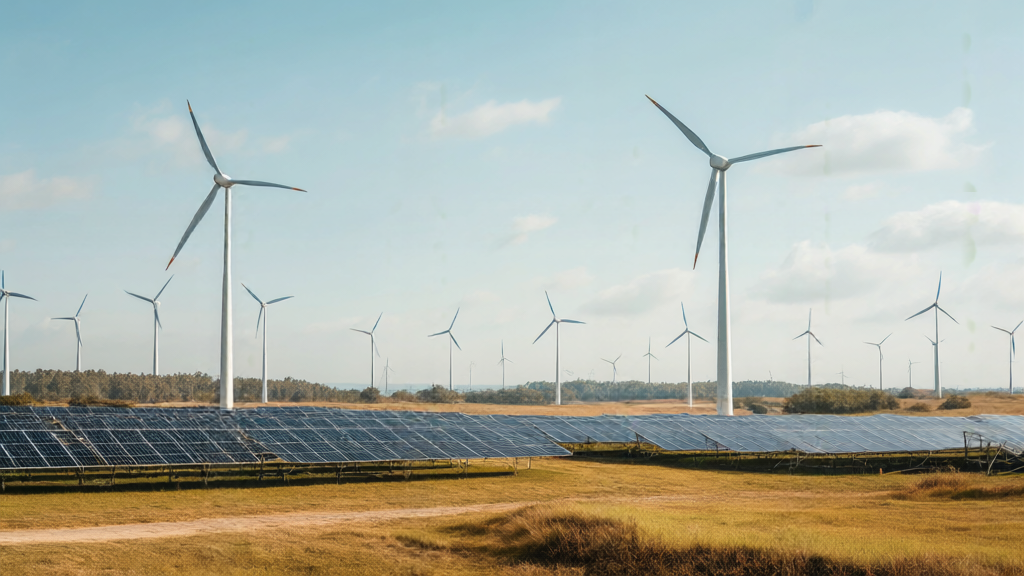
The transition toward renewable and sustainable energy sources has become a global imperative, driven by the urgent need to combat environmental degradation and mitigate the effects of climate change. As fossil fuel reserves continue to deplete while global energy demand rises, significant challenges to energy security and cost stability have emerged. Furthermore, the emissions associated with conventional energy resources contribute substantially to environmental deterioration and raise serious public health concerns. Greenhouse gases generated by these sources exacerbate global warming, while nitrogen oxides and particulate matter are directly linked to respiratory ailments. In response to these pressing issues, research efforts are increasingly directed toward the development of cleaner energy technologies, renewable feedstocks, advanced catalysts, and sustainable energy-storage systems.
A recent Special Issue in the journal Environmental Science and Pollution Research, titled “Advances in Renewable and Sustainable Energy Technologies,” brings together nine peer-reviewed research articles that address interconnected aspects of sustainable energy, environmental protection, resource recovery, and sustainable materials. The issue was curated following the second edition of the International Conference on Novel Materials and Technologies for Energy and Environment Applications, known as NMTE2A-2024. This interdisciplinary forum was organized by the Birla Institute of Technology and Science, Pilani Hyderabad Campus, and took place from 17 to 18 February 2024. The conference served as a platform for discussing recent developments, emerging challenges, and future directions in energy and environmental research.
The NMTE2A-2024 conference attracted more than 250 participants, including leading scientists from both academia and industry. The event featured over 200 submissions, five keynote speeches, and 20 invited talks, reflecting the broad interest and active engagement in the field. Following the conference, selected contributions were invited for consideration in the Special Issue, subject to the journal’s rigorous peer-review and editorial processes. Out of forty-five articles submitted to the issue, nine were accepted for publication, ensuring that the published work met high standards of scientific quality and relevance.
The nine articles included in the Special Issue collectively reflect the interdisciplinary nature of research at the intersection of energy, environmental sustainability, resource efficiency, and sustainable materials. The contributions are organized around five broad and interconnected themes that highlight the multifaceted approach required to achieve a low-carbon future. These themes encompass hydrogen and catalytic energy conversion, electrocatalysis and sustainable energy materials, life-cycle assessment and environmental sustainability, waste valorization and resource recovery, and environmental remediation and sustainable construction materials. Together, these studies emphasize the importance of coupling technological innovation with environmental and resource considerations.
One of the primary themes addressed in the issue is hydrogen and catalytic energy conversion. This area focuses on innovative methods for producing hydrogen, a key carrier for clean energy, through processes such as methane cracking. Additionally, the research explores the catalytic conversion of biogas through dry reforming, a process that can transform waste gases into valuable syngas. These approaches aim to provide efficient and sustainable pathways for energy conversion that reduce reliance on traditional fossil fuel processing methods.
Another significant focus is the development of electrocatalysis and sustainable energy materials. The articles in this category detail the creation of photo/electrocatalytic materials designed for critical reactions such as hydrogen evolution, oxygen reduction, and urea oxidation. These materials are essential for improving the efficiency of electrochemical energy storage and conversion devices. By advancing the understanding of these materials, researchers aim to develop more effective and durable components for next-generation energy systems, thereby supporting the broader transition to renewable energy sources.
The theme of life-cycle assessment and environmental sustainability provides a critical framework for evaluating the environmental impacts of various technologies. The included studies apply life-cycle assessment methodologies to energy-storage technologies and food-production systems. This approach allows for a comprehensive evaluation of the sustainability of these systems from raw material extraction to end-of-life disposal. By quantifying environmental impacts, these assessments help identify areas for improvement and guide the development of more sustainable practices in both energy and agriculture sectors.
Waste valorization and resource recovery represent another crucial aspect of sustainable energy technology. The research in this area focuses on the utilization of agricultural and industrial waste streams for the recovery of valuable products and resources. By transforming waste into useful materials, these strategies not only reduce environmental pollution but also create new economic opportunities. This circular economy approach is vital for achieving resource efficiency and minimizing the ecological footprint of industrial and agricultural activities.
The final theme, environmental remediation and sustainable construction materials, addresses the need for functional materials that can treat contaminated water and support sustainable infrastructure. The articles discuss the development of materials for multi-metal wastewater treatment, which is essential for protecting water resources and public health. Additionally, the research explores the utilization of industrial residues in sustainable construction materials, offering a way to repurpose waste products and reduce the demand for virgin resources. These innovations contribute to the creation of environmentally responsible production processes and sustainable built environments.
The guest editors of the Special Issue, Iyman Abrar, Rajamohan Natarajan, Mohammad Rehan, Luca Fiori, and Inkollu Sreedhar, acknowledged the valuable contributions of the authors and the constructive comments of the reviewers. Their efforts were instrumental in ensuring the quality of the published articles. The editorial team of Environmental Science and Pollution Research also provided significant support and guidance throughout the preparation and publication process. This collaborative effort underscores the importance of international cooperation and interdisciplinary collaboration in advancing renewable and sustainable energy technologies.
Collectively, the studies in this Special Issue highlight significant advances in energy conversion, materials development, environmental assessment, and resource recovery. They emphasize the necessity of integrating technological innovation with environmental and resource considerations to support the transition toward low-carbon, resource-efficient, and sustainable systems. As the global community continues to address the challenges of energy security and environmental degradation, these research findings provide valuable insights and practical solutions for developing a more sustainable future.
Subject of Research: Environmental Science
Article Title: Advances in renewable and sustainable energy technologies
Article References: Abrar, I., Natarajan, R., Rehan, M., Fiori, L., & Sreedhar, I. (2026). Advances in renewable and sustainable energy technologies. Environmental Science and Pollution Research, 33(29), 14867-14869. https://doi.org/10.1007/s11356-026-38230-9
Image Credits: AI Generated
DOI: 10.1007/s11356-026-38230-9
Keywords: renewable energy, sustainability, hydrogen production, electrocatalysis, waste valorization, life-cycle assessment, environmental remediation, catalysis, Advances, renewable, sustainable, energy
Cite Scienmag News
Faith Mcneil. (October 2, 2026). Special Issue Highlights Interdisciplinary Advances in Renewable Energy and Environmental Sustainability. Scienmag. https://scienmag.com/special-issue-highlights-interdisciplinary-advances-in-renewable-energy-and-environmental-sustainability/
Faith Mcneil. "Special Issue Highlights Interdisciplinary Advances in Renewable Energy and Environmental Sustainability." Scienmag, 2 October 2026, https://scienmag.com/special-issue-highlights-interdisciplinary-advances-in-renewable-energy-and-environmental-sustainability/. Accessed 4 October 2026.
Faith Mcneil. "Special Issue Highlights Interdisciplinary Advances in Renewable Energy and Environmental Sustainability." Scienmag. October 2, 2026. https://scienmag.com/special-issue-highlights-interdisciplinary-advances-in-renewable-energy-and-environmental-sustainability/


