

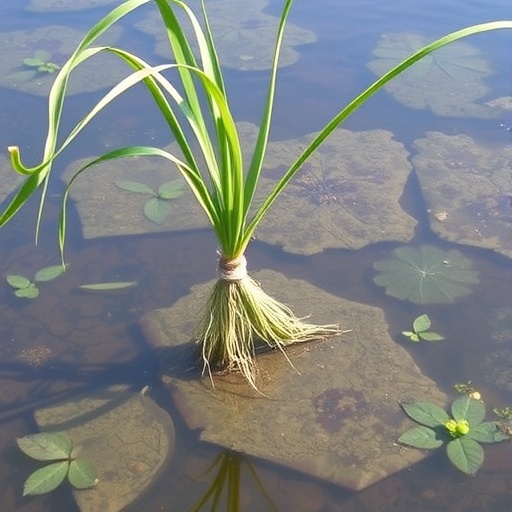
In a groundbreaking study set in the urbanized estuaries of Argentina, researchers are delving into the ecological functions of the native plant Spartina alterniflora. This research is pivotal, as it not only enhances our understanding of plant roles in coastal ecosystems but also highlights how such vegetation can act as natural filters for pollutants. The study, initiated by a team of scientists led by Adaro, M.E., sheds light on the intricate relationship between salt marshes and anthropogenic microparticles, showing how these ecosystems can mitigate pollution in heavily urbanized environments.
The significance of Spartina alterniflora cannot be overstated, as this grass plays a crucial role in stabilizing coastal sediments. Its extensive root system helps prevent erosion, while its dense growth provides habitat for various species. However, recent urbanization has led to an influx of microparticles, primarily generated from human activities. These particles can be detrimental to both marine life and water quality. The current investigation aimed to measure the capacity of Spartina alterniflora to intercept and retain these contaminants within salt marsh environments.
As urban runoff continues to pour pollutants into estuaries, the need for effective natural filtration systems becomes urgent. The team conducted a rigorous field study in Bahía Blanca, where they collected samples of sediment and microparticles in areas dominated by Spartina alterniflora and compared them to regions devoid of this important plant species. Initial findings indicated that the density and health of Spartina alterniflora were directly correlated with reduced levels of detectable microparticles, suggesting that these plants play an essential role in sedimentary filtration processes.
Furthermore, the researchers employed advanced analytical techniques to characterize the microparticles. These included a broad spectrum of materials such as plastics, heavy metals, and organic compounds, all of which can pose severe risks to aquatic ecosystems and human health. By identifying the types and concentrations of these microparticles, the study provides invaluable insights into the anthropogenic pressures affecting coastal environments. Each sampling revealed the dramatic impacts of urban pollution on salt marshes that are supposed to act as buffers against these threats.
Throughout their research, the team also evaluated the physiological health of Spartina alterniflora. By assessing factors such as plant biomass and growth rates in conjunction with microparticle concentrations, they demonstrated that healthy stands of Spartina alterniflora exhibited greater efficiency in retaining these pollutants. This connection offers a promising avenue for restoration and conservation efforts, as enhancing the growth of this plant could substantially improve the resilience of salt marshes.
Moreover, this study stands as a testament to the broader implications of healthy ecosystems in combating pollution. It underscores the necessity of protecting and restoring natural habitats, particularly in urban landscapes where human activity has severely impacted environmental conditions. The authors emphasize that local governments and environmental agencies should consider incorporating Spartina alterniflora into coastal management plans to foster ecological health and improve water quality.
The research team’s innovative approach also included collaborations with local authorities and universities, emphasizing a unified effort in addressing urban pollution challenges. By combining scientific expertise with community engagement, the study not only provides critical findings but also fosters local stewardship of salt marsh ecosystems. Such collaborative dynamics are essential for effective environmental management and policy-making.
Additionally, the potential for Spartina alterniflora to act as an ecological service provider speaks volumes. The grass not only filters harmful microparticles but also supports biodiversity by creating habitats for various marine organisms. The study highlights the importance of recognizing and valuing these services in policy frameworks aimed at environmental conservation and urban planning.
In conclusion, the research conducted in the Bahía Blanca estuary reveals a compelling narrative regarding the ability of Spartina alterniflora to mitigate the impacts of urbanization on coastal ecosystems. As urban areas continue to grow, safeguarding and promoting the health of natural habitats like salt marshes becomes not just essential, but imperative for sustainable environmental management. The authors advocate for further research into the mechanisms of microparticle retention and the long-term health of Spartina alterniflora, paving the way for future studies that can inform international conservation strategies.
This study’s findings on Spartina alterniflora’s role in pollutant retention are timely and relevant as the world grapples with increasing urban pressures on fragile coastal ecosystems. It serves as a reminder that nature has the potential to offer solutions for some of our most pressing environmental challenges, provided we take the necessary steps to protect and utilize these natural systems effectively. The future of our urban estuaries may well depend on embracing the contributions of native plant species in the ongoing battle against pollution and ecological degradation.
The beach metaphorically reflects this upward trend in understanding, just as the salt marshes embody hope. By taking proactive measures towards preserving vital ecosystems such as Spartina alterniflora, we may tread a path to cleaner waterways and healthier urban environments. The time is now, and the responsibility lies with us to ensure that these ecological allies are not only protected but celebrated for their intrinsic value and the ecosystem services they provide.
Subject of Research: The role of Spartina alterniflora in retaining anthropogenic microparticles in salt marshes of urbanized estuaries.
Article Title: The role of Spartina alterniflora in retaining anthropogenic microparticles in salt marshes of urbanized estuaries: insights from Bahía Blanca, Argentina.
Article References:
Adaro, M.E., Amodeo, M.R., Rodríguez Pirani, L.S. et al. The role of Spartina alterniflora in retaining anthropogenic microparticles in salt marshes of urbanized estuaries: insights from Bahía Blanca, Argentina.
Environ Sci Pollut Res (2026). https://doi.org/10.1007/s11356-025-37323-1
Image Credits: AI Generated
DOI: https://doi.org/10.1007/s11356-025-37323-1
Keywords: Spartina alterniflora, microparticles, salt marshes, urban pollution, coastal ecosystems, environmental management, ecosystem services.


