


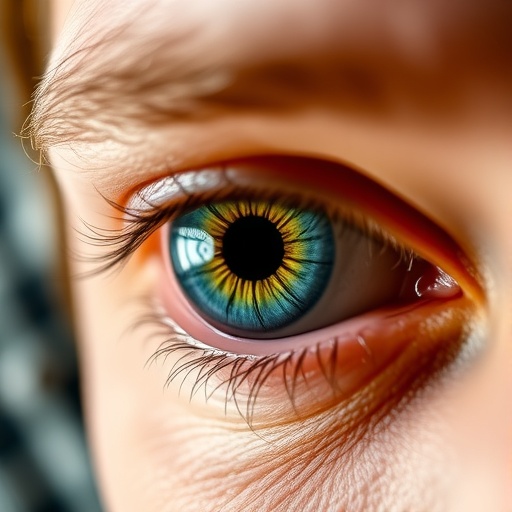
A groundbreaking study has shed light on the intricate ways spaceflight impacts human biology, particularly focusing on gender-based differences in the brain and ocular health of astronauts. Conducted by Dr. Rachael D. Seidler of the University of Florida’s Astraeus Space Institute, it marks a significant advancement in understanding how prolonged exposure to microgravity affects our physiological systems, an area that has remained under-researched largely due to the historical underrepresentation of female astronauts in space missions.
The primary objectives of this study were to assess the effects of space travel on structural changes in the brain and eyes among astronauts, with special attention being paid to demographic factors such as sex and age. The research team analyzed an extensive dataset that comprised various astronauts who have experienced spaceflight. Interestingly, the data revealed that female astronauts exhibited greater fluid reductions around the upper regions of the brain compared to their male counterparts—this observation opens up a new area of inquiry into the neurophysiological responses that may differ between the sexes in challenging environments like outer space.
In microgravity, the body encounters a unique array of stressors, ranging from fluid shifts to the effects of cosmic radiation. These factors are believed to contribute not only to the physiological changes observed in astronauts but also to their cognitive performance and overall health. In this latest study, the researchers meticulously documented how these stressors led to observable alterations in the astronauts’ brains and eyesight. This level of detail is essential not just for safeguarding the health of current astronauts but also for establishing guidelines for future missions, especially those planned to the Moon and Mars.
A significant finding from the analysis was the prevalence of globe flattening, a phenomenon associated with Spaceflight Associated Neuro-ocular Syndrome (SANS). This condition is characterized by a compression of the eyeball, resulting in visual disturbances that could jeopardize an astronaut’s ability to perform critical tasks in space. The research highlighted that globe flattening was more common among male astronauts, suggesting that ocular responses to spaceflight may have distinct underlying mechanisms. This differentiation is crucial for monitoring and managing astronaut health in extended missions where visual acuity is paramount.
Furthermore, despite the various changes observed in eye health, the study found no conclusive relationship between ocular and cerebral changes. This unexpected outcome indicates that the physiological adaptations occurring in the brain and eyes may not be directly linked, highlighting the complexity of the human body’s responses in space. Each system—neurological and ocular—may react independently to the conditions of microgravity, necessitating tailored monitoring and intervention strategies for astronaut health.
The research underscores that the scientific community must take a proactive approach to exploring these critical health metrics. By utilizing advanced computational tools like the University of Florida’s HiPerGator computing cluster, the research team was able to process their extensive datasets rapidly and efficiently. Such advancements in data analysis are pivotal as we move toward longer-term missions that will involve more comprehensive assessments of astronaut health, especially in terms of gender differences that could influence mission outcomes.
This work is part of a larger trend examining the implications of space travel on human biology, and it directly contributes to an understanding of sex differences in health outcomes. Historically, space research has been male-dominated, and Dr. Seidler’s study attempts to address this imbalance by including a more equitable representation of genders in its dataset. This inclusivity could lay the groundwork for future research aimed at improving the health protocols and safety measures for female astronauts, who may respond differently to the rigors of space travel.
Given the preparations for upcoming exploratory missions to the Moon and Mars, understanding the long-term health consequences that astronauts may face is crucial. The data compiled and analyzed in this study will not only inform future space travel operations but could also have implications for terrestrial medicine, where similar physiological phenomena could be observed in individuals facing extended periods of inactivity or those with specific health conditions.
The findings from this study serve as a vital cog in the machinery of space health science, reinforcing the need for interdisciplinary collaboration among experts in neuroscience, physiology, and aerospace medicine. By investigating these factors in tandem, researchers can develop more comprehensive health monitoring protocols and treatments that address the unique challenges presented by spaceflight.
With each new discovery, we gain a better understanding of not only how to protect the health of astronauts but also how to optimize their performance in extreme environments. As humanity prepares to embark on these exciting new journeys beyond Earth, studies like Dr. Seidler’s are paving the way for safe and effective human space exploration.
As we stand at the threshold of a new era in space exploration, it is essential to acknowledge and address the health and safety of those venturing into the unknown. With continued research and dedication, we can learn to navigate the complexities of human physiology in space, ensuring that all astronauts—regardless of gender—are equipped to face the challenges of their missions.
Keywords
Spaceflight, brain fluid shifts, ocular health, gender differences, astronaut health, globe flattening, microgravity, neuro-ocular syndrome, physiological responses, mission safety, interdisciplinary collaboration, long-duration missions.
Cite Scienmag News
Cassandra Pierce. (October 29, 2025). Spaceflight Impacts Men’s Eyes More Significantly, While Brain Differences Between Genders Remain Subtle. Scienmag. https://scienmag.com/spaceflight-impacts-mens-eyes-more-significantly-while-brain-differences-between-genders-remain-subtle/
Cassandra Pierce. "Spaceflight Impacts Men’s Eyes More Significantly, While Brain Differences Between Genders Remain Subtle." Scienmag, 29 October 2025, https://scienmag.com/spaceflight-impacts-mens-eyes-more-significantly-while-brain-differences-between-genders-remain-subtle/. Accessed 4 September 2026.
Cassandra Pierce. "Spaceflight Impacts Men’s Eyes More Significantly, While Brain Differences Between Genders Remain Subtle." Scienmag. October 29, 2025. https://scienmag.com/spaceflight-impacts-mens-eyes-more-significantly-while-brain-differences-between-genders-remain-subtle/


