


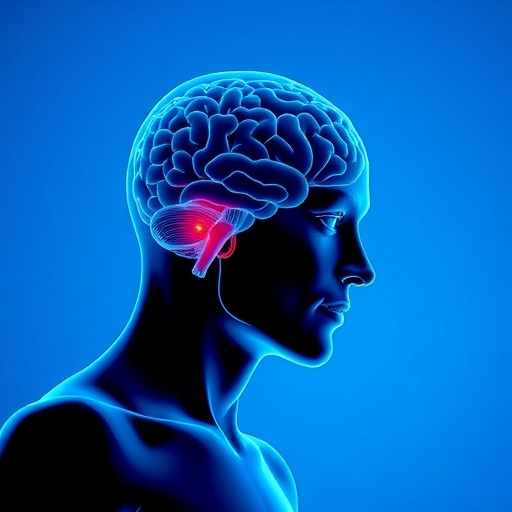
High-salt diets are widely recognized as a major risk factor for hypertension, but their effects extend beyond the cardiovascular system. Growing evidence suggests that excessive salt consumption can also disrupt brain function, contributing to changes in cognition, social behavior, and emotional health. A new study in mice suggests that a soy-derived ingredient called LPC70 may counter several of these effects by reshaping prostaglandin signaling in the kidney and brain.
The research, led by Professor Akihiro Mouri and Dr. Hisayoshi Kubota at Fujita Health University in Japan, examined how LPC70 influences the biological pathways activated by a high-salt diet. LPC70 is a soy lysolecithin preparation containing more than 70% lysophosphatidylcholine, or LPC, a class of phospholipids involved in membrane structure and lipid metabolism. Earlier work had indicated that LPC70 could reduce high-salt diet-induced hypertension and behavioral abnormalities, but the mechanisms behind these effects were not known.
The investigators focused on prostaglandins, locally acting lipid mediators produced from arachidonic acid. These compounds help regulate blood vessel tone, kidney function, inflammation, and neural activity. Their effects depend heavily on which prostaglandin receptor is activated. In the cardiovascular system, prostaglandins can promote either vasodilation or vasoconstriction, while in the brain they may support neuronal protection or contribute to inflammatory and neurotoxic processes.
Mice fed a high-salt diet developed substantially elevated blood pressure, along with reduced social interaction and poorer performance in an object-recognition memory test. These behavioral changes occurred without major alterations in locomotor activity or anxiety-like behavior, suggesting that the diet affected specific cognitive and social functions rather than causing a generalized decline in movement or exploratory behavior. When LPC70 was added to the diet, the animals showed lower blood pressure and improved performance in both behavioral tests.
The kidney appeared to be one of the main sites where LPC70 altered the response to excess salt. In high-salt-fed mice, the researchers detected increased expression of cyclooxygenase-2, or COX-2, an enzyme that helps convert arachidonic acid into prostaglandins. They also observed increased expression of the EP3 receptor, which responds to prostaglandin E2, or PGE2. Excessive activity in this pathway may influence renal sodium handling and vascular regulation, thereby contributing to hypertension. LPC70 reduced the high-salt-associated increases in both COX-2 and EP3, indicating that it may suppress maladaptive prostaglandin signaling in the kidney.
The researchers also identified a distinct effect in the prefrontal cortex, a brain region important for memory, decision-making, and social behavior. High-salt feeding reduced the expression of DP1, a receptor activated by prostaglandin D2, or PGD2. DP1 signaling has been associated with anti-inflammatory and neuroprotective effects in the nervous system. LPC70 restored DP1 expression in the prefrontal cortex, while leaving levels of DP2 unchanged. Because DP2 can participate in signaling linked to inflammation and neural injury in some contexts, the selective restoration of DP1 suggests that LPC70 may shift PGD2 activity toward a more protective profile.
A further finding involved arachidonic acid, the fatty acid precursor from which several prostaglandins are produced. Although circulating arachidonic acid levels were lower in mice consuming the high-salt diet, LPC70 increased the production of arachidonic-acid-derived prostaglandins, including PGE2 and PGD2. This result suggests that LPC70 may improve the use of available arachidonic acid or enhance the efficiency of downstream prostaglandin synthesis. The study therefore points to a coordinated effect in which LPC70 influences both the availability of lipid substrates and the receptors that interpret prostaglandin signals.
Taken together, the findings indicate that LPC70 does not act through a single universal pathway. Instead, its effects appear to be organ-specific and receptor-dependent. In the kidney, the soy-derived compound reduced changes associated with excessive COX-2 and EP3 activity, pathways that may contribute to salt-sensitive hypertension. In the brain, it restored DP1-associated signaling in the prefrontal cortex, potentially supporting cognitive and social functions disrupted by a high-salt diet. This separation between kidney and brain responses may help explain why the compound affected both blood pressure and behavior.
The researchers emphasize that the findings come from an experimental mouse model and do not establish that LPC70 will produce the same effects in humans. Human responses to dietary salt vary according to genetics, kidney function, age, medication use, and overall diet. Clinical studies will be necessary to determine whether LPC70 is safe, how much would be required, and whether it can meaningfully reduce hypertension or cognitive decline in people. The work was supported by Japanese public research grants and by Tsuji Oil Mills Co., Ltd., which provided financial support and other research assistance. The study was made available online on May 14, 2026, and is scheduled for publication in the July 1, 2026, volume of Neurochemistry International. If confirmed in future research, LPC70 could become a candidate functional-food ingredient for populations seeking to reduce the health consequences of chronically high salt intake, although it would not replace established dietary and medical approaches to blood-pressure control.
Web References: https://www.sciencedirect.com/science/article/abs/pii/S0197018626000756 ; https://doi.org/10.1016/j.neuint.2026.106184
References: Neurochemistry International, DOI: 10.1016/j.neuint.2026.106184
Cite Scienmag News
Daisy Hatcher. (August 1, 2026). Soy Lysolecithin Counters Salt-Induced Hypertension and Cognitive Impairment. Scienmag. https://scienmag.com/soy-lysolecithin-counters-salt-induced-hypertension-and-cognitive-impairment/
Daisy Hatcher. "Soy Lysolecithin Counters Salt-Induced Hypertension and Cognitive Impairment." Scienmag, 1 August 2026, https://scienmag.com/soy-lysolecithin-counters-salt-induced-hypertension-and-cognitive-impairment/. Accessed 3 September 2026.
Daisy Hatcher. "Soy Lysolecithin Counters Salt-Induced Hypertension and Cognitive Impairment." Scienmag. August 1, 2026. https://scienmag.com/soy-lysolecithin-counters-salt-induced-hypertension-and-cognitive-impairment/


