


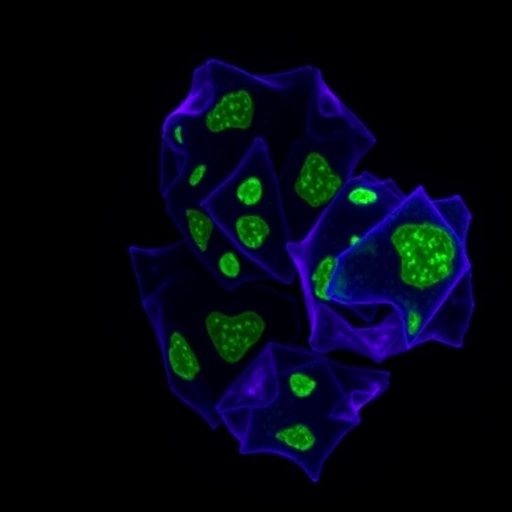
In recent groundbreaking research published in BMC Complementary Medicine and Therapies, a team of scientists has brought to light the remarkable effects of Sophoraflavanone G, a compound derived from the medicinal plant Phit-Sanat (Sophora Exigua Craib). This study sheds light on the herb’s potential as a therapeutic agent against acute myeloid leukemia (AML), a notoriously aggressive form of cancer characterized by the rapid proliferation of abnormal white blood cells. By investigating the molecular pathways affected by Sophoraflavanone G, the researchers unveiled its capabilities in inhibiting WT1 protein expression, thus offering a glimmer of hope for patients afflicted by this devastating disease.
Acute myeloid leukemia, also known as AML, is a hematological malignancy that primarily arises from the transformation of myeloid progenitor cells in the bone marrow. Its symptoms can be dire, including fatigue, fever, infections, and easy bruising or bleeding. While chemotherapy remains the cornerstone of treatment, many patients experience challenges related to drug resistance, necessitating the exploration of alternative therapies. This study offers an avenue for such exploration, emphasizing the potential of plant-based compounds in the fight against cancer.
Sophoraflavanone G is part of the flavonoid family, which has been widely recognized for its bioactive properties. Flavonoids are known to exhibit antioxidant, anti-inflammatory, and anticancer effects. Sophoraflavanone G, specifically, has emerged as a compound of interest due to its multifaceted actions on cellular systems, offering a rich landscape for scientific exploration. The current study highlights how this compound directly interacts with the WT1 gene, which plays a significant role in AML progression and is often overexpressed in leukemia cells.
The researchers conducted a series of in vitro experiments using various AML cell lines to elucidate the impact of Sophoraflavanone G on cell viability and proliferation. Through meticulous assays, they discovered that exposure to this compound not only inhibited the proliferation of AML cells but also triggered apoptotic pathways. Apoptosis, often referred to as programmed cell death, is a crucial mechanism that cancer cells evade. By promoting apoptosis in AML cells, Sophoraflavanone G demonstrates its potential as an adjunctive therapy that could complement existing treatments.
One of the standout findings of this research is the inhibition of WT1 protein expression, a key regulator in hematopoiesis that, when aberrantly expressed, contributes to the oncogenic properties of leukemia. The study’s authors detailed the molecular mechanisms whereby Sophoraflavanone G downregulates WT1, thereby diminishing its oncogenic effects. This multi-target approach, combining cell cycle arrest and apoptosis induction, positions Sophoraflavanone G as a formidable contender among novel cancer therapies.
What makes this research even more compelling is the significance of looking beyond conventional treatments. As resistance to chemotherapy becomes increasingly prevalent, innovative approaches are crucial in improving patient outcomes. The potential for plant-based compounds like Sophoraflavanone G to be integrated into existing treatment modalities highlights the need for a paradigm shift in how we approach cancer care. It resonates with the emerging trend toward personalized medicine, where treatments are tailored based on an individual’s unique molecular profile.
The implications of this study extend beyond the laboratory. For patients struggling with the debilitating side effects of conventional therapies, the prospect of incorporating natural compounds may lead to more holistic and manageable treatment options. As scientists and healthcare professionals grapple with the challenges posed by aggressive cancers like AML, research such as this underscores the importance of continuously seeking new avenues for intervention.
Moreover, the use of natural compounds is not without its own set of challenges. Ensuring the quality, safety, and efficacy of plant-derived agents is paramount before they can be integrated into clinical practice. This study serves as a reminder that while the therapeutic promise of Sophoraflavanone G is notable, further research is essential to fully understand its pharmacological properties and potential interactions with existing treatments.
Another aspect that warrants consideration is the scalability of extracting and utilizing Sophoraflavanone G. As interest in herbal medicine grows globally, the demand for sustainable harvesting practices must be balanced with the need for research and development. This presents a unique opportunity for collaboration between botanists, chemists, and oncologists to forge pathways toward both conservation and clinical application.
The researchers advocate for future studies that will explore the in vivo effects of Sophoraflavanone G. While in vitro results are promising, human clinical trials will ultimately determine its efficacy and safety. By transitioning findings from the lab to clinical settings, there is potential not only to validate these results but to explore combination therapies that may use Sophoraflavanone G alongside existing treatments.
The study’s promise echoes a significant shift in oncological research, aiming not solely for the obliteration of cancer cells but for a gentle yet effective approach that mitigates side effects and improves quality of life. It points toward a future where integrative oncology becomes a reality, merging traditional and complementary therapies to harness the best of both worlds.
In summary, the findings surrounding Sophoraflavanone G’s role in targeting WT1 expression and promoting apoptosis in AML cells are not just intriguing; they mark a pivotal moment in cancer research. As scientists synthesize knowledge from diverse fields, the vision of a comprehensive, effective arsenal against one of the most challenging diseases becomes increasingly attainable. The journey toward revolutionizing cancer care continues, but studies like this serve as critical milestones along the way.
The exploration of herbal compounds like Sophoraflavanone G beckons a new era in treating acute myeloid leukemia. With each discovery, the tapestry of understanding weaves tighter, offering hope to many. The engagement of scientists, clinicians, and patients in dialogue about emerging therapies can spur innovation and lead to breakthroughs that redefine the landscape of cancer treatment. The future holds promise, and with sustained effort and collaboration, it is a future that can ultimately be defined by triumph over tragedy in the fight against cancer.
Rueankham, L., Luhata, L.P., Panyajai, P. et al. Sophoraflavanone G from Phit-Sanat (Sophora Exigua Craib) inhibits WT1 protein expression and induces cell cycle arrest and apoptosis in acute myeloid leukemia.
BMC Complement Med Ther 25, 362 (2025). https://doi.org/10.1186/s12906-025-05116-1
Cite Scienmag News
Nathaniel Bowman. (October 8, 2025). Sophoraflavanone G Halts WT1 in Leukemia Cells. Scienmag. https://scienmag.com/sophoraflavanone-g-halts-wt1-in-leukemia-cells/
Nathaniel Bowman. "Sophoraflavanone G Halts WT1 in Leukemia Cells." Scienmag, 8 October 2025, https://scienmag.com/sophoraflavanone-g-halts-wt1-in-leukemia-cells/. Accessed 5 September 2026.
Nathaniel Bowman. "Sophoraflavanone G Halts WT1 in Leukemia Cells." Scienmag. October 8, 2025. https://scienmag.com/sophoraflavanone-g-halts-wt1-in-leukemia-cells/


