


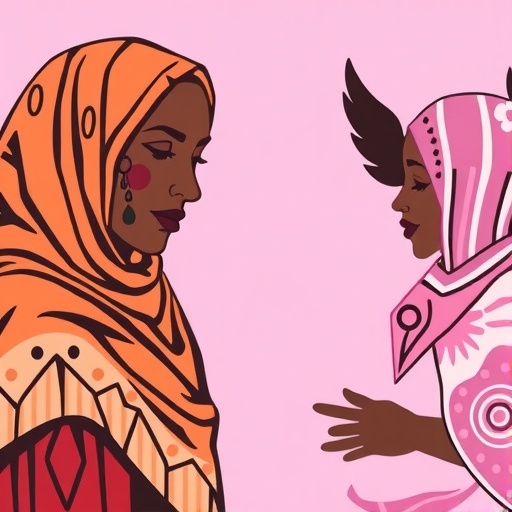
Recent research conducted by a team led by Pratt, R., and including Bliss Barsness, C., and Lin, J., has illuminated the intricate landscape of cervical cancer screening and the perceptions surrounding HPV self-sampling among Somali American women. This study, which appears in the prestigious Journal of General Internal Medicine, addresses a highly relevant public health issue that has significant implications not only for individuals but also for the wider community.
Cervical cancer remains one of the leading causes of cancer-related deaths among women globally. Yet, it is a preventable disease with effective screening tools available. In the United States, guidelines recommend routine Pap smears combined with HPV testing as a means to identify pre-cancerous conditions. However, disparities in screening rates exist, particularly among immigrant populations. This raises critical concerns about access to healthcare resources and the cultural perceptions of such health interventions.
The Somali American community is one of the fastest-growing immigrant populations in the U.S., and they often encounter unique healthcare challenges. Language barriers, cultural differences, and previous healthcare experiences can shape their perceptions of medical procedures such as cervical cancer screening. The study recognizes these factors and seeks to better understand how they affect attitudes towards screening and self-sampling techniques.
HPV self-sampling represents a recently developed approach that allows women to collect their own samples for HPV testing. This method can potentially increase screening uptake by offering a more comfortable and private option. However, acceptance of this method varies widely across different demographics. By focusing on Somali American women, the researchers aim to delve into the specific cultural and social dynamics influencing their views on this self-sampling technique.
In interviewing participants, the research team gathered qualitative data that revealed a range of experiences and attitudes toward cervical cancer screening. Many women highlighted feelings of embarrassment and fear associated with traditional screening methods. These emotional responses can deter individuals from seeking necessary medical care, thus increasing their risk of developing cervical cancer. Understanding these barriers is a critical step in addressing the issue.
Moreover, the study found that the provision of culturally sensitive education about HPV and cervical cancer could significantly enhance the willingness to participate in screening. Participants expressed a desire for more accessible information, which could empower them and facilitate informed decision-making regarding their health. This sentiment underscores the importance of tailored health communication strategies in improving health outcomes in minority populations.
Importantly, the research highlights the role of community leaders and healthcare providers in bridging gaps between Somali American women and the healthcare system. Many participants indicated that recommendations from trusted figures within their communities could motivate them to engage in cervical cancer screening. Building relationships with healthcare professionals who understand and respect cultural norms can enhance the overall healthcare experience.
Another key finding from the research is the potential for shared decision-making to play a significant role in increasing screening rates. Women reported feeling more empowered when involved in their healthcare choices. Allowing women to express their preferences and concerns can lead to more tailored healthcare solutions, making it easier for them to access screenings.
The discussion around HPV self-sampling also touches upon the implications for the future of cervical cancer screening as a whole. If demonstrated to be effective and acceptable among varied populations, self-sampling could change the landscape of cervical cancer prevention. As researchers continue to evaluate these methods, providing robust support and resources will be essential for fostering trust within communities that have historically been underrepresented in health research.
As this study emphasizes the intersection of health practices and cultural attitudes, it calls for a multi-pronged approach to address the barriers to cervical cancer screening. Stakeholders must consider the socio-economic factors that contribute to health disparities, from policy-making to grassroots community initiatives. Collaboration between healthcare providers, policymakers, and community organizations is paramount to ensuring equitable access to cervical cancer prevention methods.
Furthermore, the implications of this research extend beyond the Somali American community. The insights gained may inform broader public health strategies aimed at enhancing screening practices among other multicultural groups facing similar challenges. As the population of immigrants continues to grow in the United States, healthcare systems must adapt to meet the varying needs of diverse communities.
In conclusion, Pratt and colleagues’ study sheds crucial light on the complex interplay between culture, healthcare, and cervical cancer screening. It highlights the need for increased awareness and action to support preventative health measures among marginalized populations. This research represents a vital step toward making cervical cancer screening more accessible and acceptable, ultimately saving lives through informed health choices and practices.
Pratt, R., Bliss Barsness, C., Lin, J. et al. Experience with Cervical Cancer Screening and Views on HPV Self-Sampling Among Somali American Women.
J GEN INTERN MED (2025). https://doi.org/10.1007/s11606-025-10080-0
Cite Scienmag News
Nathaniel Bowman. (December 19, 2025). Somali American Women: Insights on Cervical Cancer Screening. Scienmag. https://scienmag.com/somali-american-women-insights-on-cervical-cancer-screening/
Nathaniel Bowman. "Somali American Women: Insights on Cervical Cancer Screening." Scienmag, 19 December 2025, https://scienmag.com/somali-american-women-insights-on-cervical-cancer-screening/. Accessed 4 September 2026.
Nathaniel Bowman. "Somali American Women: Insights on Cervical Cancer Screening." Scienmag. December 19, 2025. https://scienmag.com/somali-american-women-insights-on-cervical-cancer-screening/


