

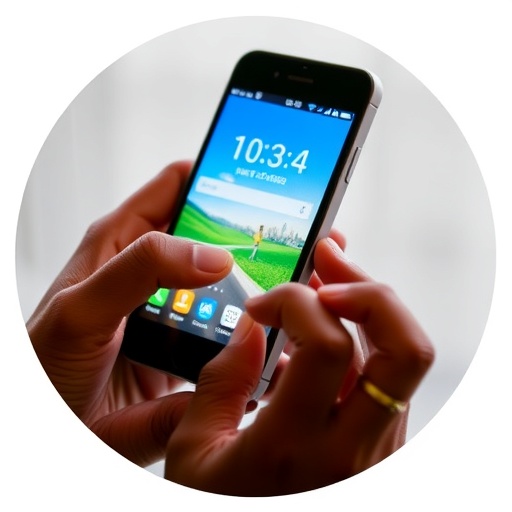
In recent years, the integration of technology in education has become increasingly significant, and smartphones have emerged as one of the most accessible technological tools across global educational landscapes. The study conducted by Muyambi, Nkopodi, and Jakovljevic investigates the readiness of both teachers and learners to incorporate smartphones into South African Physical Sciences education. As smartphones become nearly ubiquitous, understanding their potential role in enhancing pedagogical practices is paramount in a rapidly evolving educational environment.
The authors delve into the rationale behind the adoption of smartphones in education, presenting numerous advantages that could be harnessed for academic engagement. The ubiquitous nature of smartphones is a compelling factor; almost every student has access to one, which offers a unique opportunity to integrate communication, research, and interactive learning into the curriculum. Moreover, smartphones serve not only as communication devices but also as educational tools, allowing users to access resources, tutorials, and a wealth of information with a simple tap.
A significant advantage of incorporating smartphones in learning environments is the potential for enhanced engagement through interactive apps and resources specifically designed for educational purposes. These applications allow students to interact with the learning material in a manner that suits their individual learning styles, making education more personalized than traditional methods. Additionally, the availability of science simulations and educational videos provides students with a deeper understanding of complex scientific concepts, bridging the gap that theoretical learning sometimes leaves.
Despite the clear benefits, the study also identifies several barriers to effective integration of smartphones in Physical Sciences education. One major concern among educators is the risk of distraction. With myriad social media platforms, games, and other entertainment options at their fingertips, students may find it challenging to maintain focus during lessons. This concern necessitates the establishment of guidelines and structured uses for smartphones in the classroom to minimize distractions while maximizing their educational potential.
Another barrier highlighted in the research is the disparity in access to smartphones and internet connectivity among students, which poses questions of equity in educational opportunities. In many regions, socioeconomic factors greatly influence a student’s ability to utilize technology effectively, creating a divide that can hinder the overall learning experience. The authors suggest that addressing these disparities is crucial for inclusive education, proposing methods to ensure that all learners can benefit from smartphone integration.
Furthermore, the readiness of teachers to embrace these tools is a critical aspect of the study. Educators must not only be technologically literate but also comfortable with integrating smartphones into their pedagogical strategies. Training programs that focus on equipping teachers with the necessary skills and knowledge to leverage smartphones for educational purposes are essential for successful implementation. Teachers who are confident in their ability to utilize technology can effectively model its use for their students, fostering a culture of digital literacy in the classroom.
The role of parental involvement in this transition also cannot be understated. Engaging parents in conversations about the responsible use of smartphones in education fosters a supportive home environment, reinforcing the lessons learned in school. This collaboration can help alleviate some concerns related to distractions and promote a more positive attitude towards technology in education, enabling students to see their devices as tools for learning rather than platforms for entertainment alone.
As the research continues, it is evident that the integration of smartphones into South African Physical Sciences education holds significant promise. The ability to provide real-time feedback, access a vast amount of information, and engage with interactive content can empower learners and invigorate teaching methodologies. Schools that systematically integrate smartphones into their curricula may find that students become more motivated and engaged, leading to improved academic outcomes.
Moreover, teachers can utilize these devices to collaborate on projects, share resources, and provide students with opportunities to work in teams, simulating real-world challenges. Such collaboration encourages the development of soft skills that are highly valued in the modern workforce, preparing students for the dynamic job market they will eventually enter.
As the current educational landscape continues to evolve, the insights gathered from this research will undoubtedly contribute to ongoing dialogues about technology integration in classrooms worldwide. Education systems must adapt to the changing needs of learners, and smartphones represent a crucial component of that evolution. By fostering a culture of innovation and inclusivity, educators can harness the full potential of smartphones, transforming them from mere communication devices into powerful educational tools.
In conclusion, the findings presented by Muyambi, Nkopodi, and Jakovljevic underscore the urgent need for educational stakeholders to embrace technology wholeheartedly. The fusion of smartphones into the curriculum of South African Physical Sciences represents not just an upgrade in teaching tools, but a fundamental shift in the way learning occurs. While challenges exist, the potential benefits far outweigh the drawbacks, paving the way for a transformative educational experience that could redefine how science is taught and learned.
As the integration of smartphones in education continues to develop, further research will be vital in addressing the emerging challenges and maximizing the impact of this technology. By prioritizing teacher and student readiness, establishing equitable access, and fostering strong community support, educational institutions can create a robust framework that leverages smartphones to enhance learning outcomes in science and beyond.
Subject of Research: Readiness to integrate smartphones in education.
Article Title: Teachers’ and learners’ readiness to integrate smartphones in South African Physical Sciences education.
Article References:
Muyambi, G.C., Nkopodi, N. & Jakovljevic, M. Teachers’ and learners’ readiness to integrate smartphones in South African Physical Sciences education.
Discov Educ (2026). https://doi.org/10.1007/s44217-025-01076-3
Image Credits: AI Generated
DOI:
Keywords: Smartphone integration, education technology, physical sciences education, digital literacy, South Africa.


