


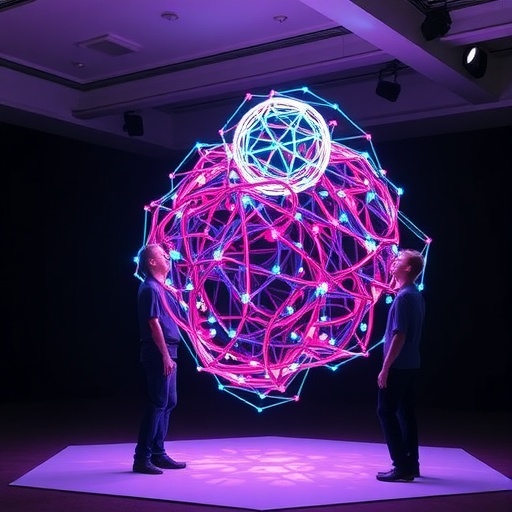
In early March 2024, Kraków will become a nexus for the confluence of art, science, and technology as it hosts the inaugural AI Art Biennale. Curated and orchestrated by SWPS University in Kraków, this event epitomizes a bold, interdisciplinary exploration into the transformative influence of artificial intelligence on creative and intellectual domains. The Biennale is designed not merely as an exhibition but as a comprehensive platform intertwining artistic practice with scientific inquiry and cultural discourse, reflecting the complex web of AI’s integration into contemporary life.
At the heart of the AI Art Biennale lies its title theme: Creative Dialogue and Education with AI. This framework underpins a diverse array of events, including art exhibitions, performances, workshops, artist talks, and a scientific conference, all strategically crafted to probe AI’s role in reshaping creativity, pedagogy, and societal models. The program’s multifaceted nature underscores an urgent inquiry into the evolving relationship between humans and algorithms, inviting participants and audiences to dissect and reimagine how artificial intelligence can be harnessed responsibly in cultural and scientific spheres.
Swelling with contributions from 45 artists, researchers, and thought leaders from over six countries, the Biennale serves as a global meeting point where interdisciplinary perspectives converge. These contributors hail from the fields of fine arts, computer science, education, and philosophy, creating a vibrant dialogue around the ethical, aesthetic, and technical implications of AI. This international assembly ensures a rich, pluralistic approach, reflecting diverse methodologies and conceptual frameworks that challenge existing paradigms about creativity and agency.
The centerpiece exhibition, [Un]Conscious Algorithms, offers critical insight into how AI functions not merely as a tool but as an autonomous agent within the creative process. The exhibition’s conceptual thrust hinges on the interplay between human intention and machine-generated output, probing questions about authorship and consciousness in art production. By framing AI as a co-author and sometimes unpredictable collaborator, the exhibition challenges entrenched notions of creativity as uniquely human, positioning algorithms as active participants in artistic innovation.
Visitors to [Un]Conscious Algorithms will encounter artworks that engage with generative algorithms, machine learning, and interactive technologies. The exhibition is meticulously sectioned to explore five thematic domains: the algorithm as an artistic medium, ethical tensions and the enigmatic ‘black box’ of AI, the simulation of consciousness, collaborative dynamics between human and machine agents, and finally, the embodiment of identity through algorithmic codes and responsive fashion. This thematic structure foregrounds a nuanced exploration of AI’s multifaceted roles and implications within cultural production.
A key technical concern highlighted throughout the exhibition and broader Biennale discourse is the opacity inherent in many AI systems, often referred to as the “black box” problem. This opacity raises profound ethical and philosophical questions about responsibility and transparency, especially as AI systems increasingly influence decisions and creative outputs. The event invites critical reflection on how to negotiate and mitigate these challenges, emphasizing the importance of interpretability and ethical foresight in the development and deployment of AI technologies in art and society.
The scientific conference running concurrently with the artistic program illuminates AI’s broader societal and epistemological impacts. Divided into sessions concentrating on law, ethics, and education; artistic practice; and scientific inquiry, the conference fosters an interdisciplinary examination of AI’s transformative potential. Legal scholars and ethicists address the ramifications of automation and the need for updated regulatory frameworks, while educators consider the challenges and opportunities AI presents in contemporary learning environments.
The artistic session within the conference deepens discussion on AI’s role not only as a creative instrument but also as a medium for critical reflection on humanity’s relationship with technology. It showcases pioneering transmedia works and design practices that interrogate AI’s cultural positioning. Meanwhile, scientific sessions explore how AI accelerates knowledge discovery, reshapes expertise, and redefines the infrastructure of research institutions, such as universities.
An innovative feature of this Biennale is the introduction of the Biennale Bot, an AI-powered interactive assistant designed to guide participants through the event and facilitate research engagement. This tool epitomizes the practical integration of AI in enhancing accessibility and interactivity within cultural events, serving as both a functional guide and a mode of inquiry into AI-human collaboration in real time.
A significant outcome anticipated from the Biennale is the publication “Report 2027: Artificial Intelligence in Art, Science, and Education,” destined to synthesize insights from the diverse expert contributions and original research conducted during the event. This report promises to be a foundational resource, mapping current trends and forecasting trajectories in AI’s role across multiple domains, thereby informing policy, pedagogy, and creative practice for years to come.
Throughout the Biennale, a recurring theme centers on reevaluating human creative intention in the face of increasingly autonomous AI systems. This reflection interrogates the boundaries of agency, authorship, and authenticity, questioning whether AI signifies merely an extension of human creativity or represents a disruptive force that redefines artistic identity and production paradigms.
Ultimately, the AI Art Biennale in Kraków exemplifies a cutting-edge, holistic approach to examining AI’s imprint on human culture. It transcends simplistic narratives of technology as either a tool or threat, instead fostering critical, nuanced conversations that recognize AI’s ambivalence and its potential to enrich and complicate our understandings of creativity, knowledge, and ethics. The event’s interdisciplinary ethos and international scope position it not only as an artistic milestone but as a vital catalyst for shaping the future discourse on the symbiosis between humans and intelligent machines.
News Publication Date: March 2024.
Cite Scienmag News
Courtney Benton. (February 25, 2026). Kraków Hosts International AI Art Biennale Showcasing Cutting-Edge Technology and Creativity. Scienmag. https://scienmag.com/krakow-hosts-international-ai-art-biennale-showcasing-cutting-edge-technology-and-creativity/
Courtney Benton. "Kraków Hosts International AI Art Biennale Showcasing Cutting-Edge Technology and Creativity." Scienmag, 25 February 2026, https://scienmag.com/krakow-hosts-international-ai-art-biennale-showcasing-cutting-edge-technology-and-creativity/. Accessed 3 September 2026.
Courtney Benton. "Kraków Hosts International AI Art Biennale Showcasing Cutting-Edge Technology and Creativity." Scienmag. February 25, 2026. https://scienmag.com/krakow-hosts-international-ai-art-biennale-showcasing-cutting-edge-technology-and-creativity/


