


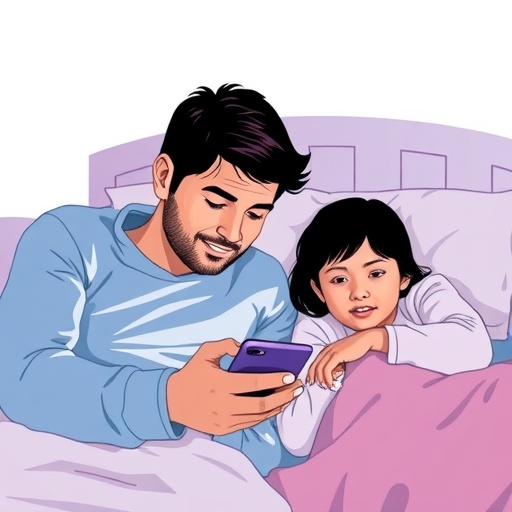
In the wake of natural disasters, adolescents face a unique blend of challenges that extend beyond immediate physical safety. A recent study conducted in the earthquake-ravaged Kahta district of Adıyaman, Turkey, reveals a troubling interplay between smartphone addiction, family dynamics, and sleep quality among young survivors. These findings provide critical insight into how the pervasive use of digital devices, coupled with the psychological aftermath of trauma, impacts adolescent health in disaster settings.
Smartphone addiction, a modern behavioral phenomenon characterized by excessive and compulsive use of mobile devices, has emerged as a global public health concern. This addiction manifests not only in disrupted daily routines but also in deteriorated sleep hygiene, mental well-being, and social functioning. The study in question sought to quantify the prevalence of smartphone dependency among adolescents and evaluate its role in compromising sleep quality within a population already burdened by the stresses of a recent earthquake.
Conducted as a cross-sectional analysis between June and July 2024, the research encompassed 394 adolescents aged 12 to 18 years. These participants were assessed using the Pittsburgh Sleep Quality Index (PSQI) to gauge sleep disturbance severity, alongside the Smartphone Addiction Scale to measure their dependency levels. Additional variables included socio-demographic factors, familial relationships, parental smartphone use, and the subjective impact of earthquake experiences such as fear and bereavement.
Alarmingly, over half of the surveyed adolescents (57.9%) met the criteria for smartphone addiction. Even more striking was the revelation that 66.2% of participants reported poor sleep quality, indicating a pervasive disruption in rest among these youths. The data strongly correlated excessive smartphone use—specifically usage exceeding two hours daily—with heightened sleep disturbances. This association implies a critical threshold beyond which device usage begins to severely impair physiological and psychological recovery processes during sleep.
Parental smartphone habits emerged as another significant factor. Adolescents whose mothers used smartphones for more than an hour daily exhibited more than twice the risk of poor sleep quality themselves. This finding underscores the compelling influence of family environment and modeling behaviors on adolescent health outcomes. It suggests that parental screen addiction not only shapes household routines but may also subtly encourage increased device use and sleep interference in their children.
Furthermore, the quality of parent-child relationships held substantial predictive power over sleep integrity. Those adolescents reporting strained or antagonistic relations with their parents faced markedly worse sleep outcomes. This dynamic may be reflective of underlying emotional distress, diminished feelings of safety, or the erosion of supportive bonding necessary for stress regulation and healthy sleep patterns, particularly in a post-disaster context.
The psychological scars of the earthquake itself compounded these challenges. Participants who experienced intense fear during the seismic event or suffered the loss of loved ones displayed significantly greater sleep disturbances. Trauma-induced hyperarousal and anxiety are known to disrupt sleep architecture, leading to difficulties falling asleep, fragmented rest, and decreased restorative sleep, thereby perpetuating a vicious cycle of fatigue and impaired mental health.
Taken together, these findings illuminate a multifaceted landscape where technological addiction and familial context converge to exacerbate sleep dysfunction amidst the lingering trauma of natural disaster exposure. The high prevalence of smartphone addiction, paired with adverse parental and emotional influences, signals an urgent need for targeted intervention strategies that address both behavioral health and family systems.
In light of this study, mental health professionals and disaster response teams are encouraged to integrate comprehensive sleep hygiene education and smartphone use moderation programs into their care frameworks. Such initiatives could include parental guidance workshops aimed at reducing household screen time, family counseling to mend relational rifts, and trauma-informed therapies to alleviate fear and grief symptoms that undermine adolescent sleep.
The technological ubiquity that so often distances individuals may paradoxically serve as a touchpoint for re-engagement when managed thoughtfully. Digital platforms, if harnessed appropriately, could facilitate mindfulness practices, sleep tracking, and psychoeducation targeted at youth in disaster zones. However, vigilant moderation is vital to prevent the cycle of addiction from deepening sleep problems and emotional distress.
This study also raises broader sociocultural questions about the role of technology in the aftermath of collective trauma. How might smartphone dependence reflect underlying gaps in social support networks? Could parental modeling of excessive smartphone use be symptomatic of their own coping failures? Addressing these systemic issues demands interdisciplinary collaboration spanning healthcare, social services, and educational sectors.
Ultimately, the research accentuates that sleep quality is a fundamental pillar of adolescent health, especially under the duress of environmental catastrophes. The intertwined impacts of smartphone addiction and family dynamics on sleep provide a compelling case for proactive, holistic approaches to youth well-being in vulnerable populations. By acknowledging and mitigating these factors, communities can better support their young members’ resilience and recovery.
As digital devices continue to embed themselves into everyday life, understanding their nuanced effects on mental health becomes increasingly critical. This pioneering study from Turkey’s earthquake-afflicted region charts a vital course towards recognizing and addressing the hidden consequences of technology use in trauma-impacted youth. It underscores the complex interplay between behavioral addictions, familial influences, and traumatic stress in shaping sleep health, paving the way for innovative, culturally sensitive interventions.
The findings not only offer actionable insights for clinicians and policymakers but also ignite an essential conversation about balancing technological engagement with psychological resilience. In an era where natural disasters and digital connectivity increasingly intersect, safeguarding adolescents’ sleep and mental health must become a public health priority rooted in both evidence and empathy.
—
Cite Scienmag News
Glenn Wilkins. (May 13, 2025). Smartphone Addiction and Family Impact Sleep Quality. Scienmag. https://scienmag.com/smartphone-addiction-and-family-impact-sleep-quality/
Glenn Wilkins. "Smartphone Addiction and Family Impact Sleep Quality." Scienmag, 13 May 2025, https://scienmag.com/smartphone-addiction-and-family-impact-sleep-quality/. Accessed 3 September 2026.
Glenn Wilkins. "Smartphone Addiction and Family Impact Sleep Quality." Scienmag. May 13, 2025. https://scienmag.com/smartphone-addiction-and-family-impact-sleep-quality/


