

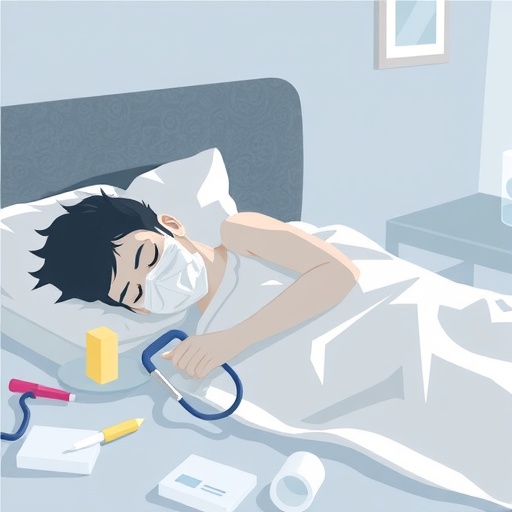
Sleep problems have emerged as a significant public health concern, especially within populations already grappling with chronic diseases. A striking new study has surfaced that delves into the intricate relationships between sleep issues, suicidal behaviors, and healthcare utilization among adults suffering from chronic ailments. This research emphasizes the paramount role that mental illness plays within this complex framework, opening avenues for further understanding and intervention in healthcare practices.
Chronic diseases such as diabetes, cardiovascular conditions, and autoimmune disorders are known to affect millions globally. However, what is increasingly clear is that these physical health challenges are invariably linked to various mental health issues, including anxiety and depression, both of which have been associated with sleep disturbances. The interplay between physical and mental health significantly underscores the importance of integrated care that addresses both these facets.
The study led by Wen et al. sheds light on the alarming prevalence of sleep problems among adults with chronic diseases. This intersection becomes particularly concerning as sleep issues not only exacerbate existing health conditions but may also lead to suicide ideation and attempts. The ramifications of this reality stretch across individual lives and public health systems, necessitating a comprehensive approach to manage these complex co-morbidities.
Recent findings suggest that individuals facing chronic health conditions experience insomnia and other sleep disorders at rates significantly higher than the general population. What’s particularly troubling is that these disruptions in sleep can deepen the severity of mental health issues, thereby creating a vicious cycle. The implications of these findings demand immediate attention from healthcare providers, who must recognize the symbiotic relationship between sleep, mental health, and chronic disease management.
In examining healthcare utilization, the research reveals that those suffering from both chronic health issues and poor sleep are more likely to seek medical help frequently. However, the nature of this healthcare engagement is critical. Many patients report seeking care not merely for physical ailments but are also expressing psychological distress that surfaces in various forms, highlighting the necessity for healthcare providers to adopt a holistic view during consultations.
Given this backdrop, the study advocates for healthcare systems to implement integrated intervention strategies. These would ideally involve mental health professionals who can assess and treat sleep disorders alongside chronic illness care. Such collaborative efforts could drastically improve long-term outcomes for these patients, who may otherwise fall through the cracks of traditional treatment paradigms focused predominantly on physical health.
Moreover, Wen et al. elucidate the role of mental illness as a mediator in the connection between sleep problems and suicidal behaviors. As the study outlines, individuals with chronic diseases are already more susceptible to experiencing mental health crises. When compounded by persistent sleep issues, the risk of suicidal thoughts and actions rises sharply. This necessitates that mental health screening be standardized in healthcare settings where chronic disease treatment is provided.
The incorporation of sleep assessments in routine healthcare evaluations could provide invaluable insights into a patient’s overall well-being. By recognizing the signs of sleep problems early, healthcare providers can direct patients towards appropriate interventions—be it through pharmacological methods, cognitive-behavioral strategies, or lifestyle modifications—to address these sleep deficits.
As researchers delve deeper into understanding the multifaceted relationships within this field, public health campaigns may also play a pivotal role in raising awareness about the mental health implications of sleep disorders in chronic illness patients. Education about the importance of sleep hygiene and mental health resources could empower individuals to seek help before crises escalate, fostering a proactive rather than reactive approach to health care.
Furthermore, this research could significantly inform policymakers. By acknowledging the link between sleep problems, mental health, and chronic disease management, supportive regulations and funding can be directed towards innovative research and community health programs aimed at addressing these intertwined issues comprehensively.
As the healthcare landscape evolves, the integration of mental health into physical health management is not merely beneficial; it is essential. The findings of Wen et al. stand as a clarion call for a reformative approach to chronic disease management—one that holistically addresses the physical and mental health complexities of patients, ultimately working towards enhancing their quality of life.
The implications of this groundbreaking research stretch beyond the walls of clinical practice to shape future research directions. There is a rich field ripe for exploration concerning the biological, psychological, and social dimensions that underlie the intersections of sleep, mental health, and chronic disease. This collective knowledge can better inform healthcare strategies, ultimately reducing the burden of these interconnected issues on individuals and the health system.
In conclusion, as this study by Wen et al. illuminates the deep interconnections between sleep problems, suicidal behaviors, and mental illness in adults with chronic diseases, it serves as a poignant reminder for the health community. The urgent need for a paradigm shift in how care for chronic illness is approached cannot be overstated. As more attention is drawn to this critical junction, the hope is that better strategies will emerge to support those caught in the crosshairs of these pressing health challenges.
Subject of Research: Association of sleep problems with suicidal behaviors and healthcare utilization in adults with chronic diseases.
Article Title: Association of sleep problems with suicidal behaviors and healthcare utilization in adults with chronic diseases: the role of mental illness.
Article References:
Wen, C., Wei, Z., Chalghaf, N. et al. Association of sleep problems with suicidal behaviors and healthcare utilization in adults with chronic diseases: the role of mental illness. Ann Gen Psychiatry 24, 40 (2025). https://doi.org/10.1186/s12991-025-00576-8
Image Credits: AI Generated
DOI: https://doi.org/10.1186/s12991-025-00576-8
Keywords: Sleep Problems, Chronic Diseases, Mental Health, Suicidal Behaviors, Healthcare Utilization, Integrated Care.


