


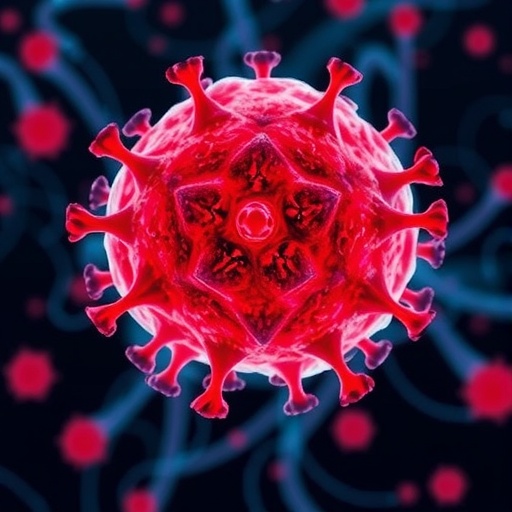
Viral infections of the central nervous system (CNS) represent a formidable challenge to modern medicine due to their complex consequences, multifaceted mechanisms, and significant gaps in current knowledge. Recent research has illuminated the intricacies behind how viral pathogens invade and disrupt CNS function, yet much remains to be understood about the long-term sequelae these infections impose on affected individuals. As global viral outbreaks continue to pose threats, comprehending the persistent effects of CNS viral infections gains urgency in both clinical and research domains.
The CNS is an inherently protected environment, shielded by both anatomical and immunological barriers such as the blood-brain barrier. Despite this, numerous viruses have evolved sophisticated strategies to circumvent these defenses, establishing infection within neural tissue. Pathogens such as herpesviruses, flaviviruses, and enteroviruses can enter the brain and spinal cord, initiating inflammatory responses that, while aimed at clearing the infection, often result in collateral neuronal damage. Understanding the pathways of viral neuroinvasion remains a key focus area.
Beyond the acute infectious phase, survivors frequently experience a spectrum of neurological and psychiatric sequelae. Cognitive decline, chronic fatigue, motor impairments, and neuropsychiatric disorders have all been linked to prior viral CNS infections. These manifestations underscore the long-lasting and often debilitating impact of viral neurotropism. The mechanisms driving these long-term symptoms appear to be multifactorial, involving persistent immune activation, viral latency or reactivation, and damage to neural circuits.
Neuroinflammation is increasingly recognized as a double-edged sword in viral CNS infections. While essential for initial viral clearance, excessive or sustained inflammation can contribute to neurodegeneration and functional decline. Microglia and astrocytes, the resident immune cells of the CNS, orchestrate much of this response. Persistent activation of these glial cells can lead to a chronic inflammatory environment detrimental to neuronal health, potentially underpinning some of the chronic sequelae observed.
Recent advances in molecular virology and immunology have begun to unravel how some viruses establish latency or evade the immune system within the CNS. Latent infections, such as those by herpesviruses, can periodically reactivate, resulting in recurrent neurological episodes or progressive damage. These insights are crucial for developing targeted therapies that can suppress viral reservoirs and mitigate long-term CNS damage.
Novel imaging techniques like advanced MRI and PET scanning have provided unprecedented glimpses into the dynamic changes occurring in the CNS during and after viral infection. These methods have revealed patterns of inflammation, neuronal loss, and connectivity disruptions that correlate with clinical symptoms. Integrating these imaging biomarkers with clinical data may enhance patient monitoring and prognostication.
Despite technological progress, significant gaps in understanding the full spectrum of viral CNS disorders persist. Variability in host genetics, viral strain differences, and immune responses complicate efforts to predict which patients will suffer severe or chronic outcomes. Furthermore, the full extent to which viral infections contribute to neurodegenerative diseases remains a topic of intense investigation.
Therapeutic options for viral CNS infections remain limited, particularly for the post-infectious sequelae. Antiviral agents are effective during the acute phase for certain viruses but often fail to reverse established neurological damage. There is growing interest in adjunctive therapies targeting neuroinflammation and promoting neurorepair to improve recovery and quality of life for survivors.
Epidemiological data highlight the disparate burden of viral CNS infections worldwide, disproportionately affecting lower-resource settings where diagnostic and treatment infrastructure may be lacking. This inequality underscores the need for global health initiatives aimed at prevention, timely diagnosis, and improved access to care to mitigate the lifelong impacts of CNS viral diseases.
The role of the adaptive immune system, especially T cell-mediated responses within the CNS, is a nuanced area of research. While essential for viral clearance, immune-mediated damage can exacerbate neurological injury. Balancing antiviral immunity with neuroprotection represents a formidable therapeutic challenge demanding deeper mechanistic insights.
Emerging viral threats with neurotropic potential continue to surface due to factors such as climate change, urbanization, and global mobility. Monitoring and rapid response to these pathogens require a robust, multidisciplinary approach combining virology, neurology, immunology, and public health.
Longitudinal cohort studies tracking patients from initial infection through recovery and beyond are critical for elucidating the natural history of CNS viral infections and identifying biomarkers predictive of outcomes. These studies may also uncover novel therapeutic targets and inform guidelines for long-term management.
Integration of omics technologies—including genomics, transcriptomics, and proteomics—is revolutionizing the understanding of host-pathogen interactions within the CNS. These approaches enable detailed mapping of molecular pathways altered by viral infection and hold promise for precision medicine strategies tailored to individual patient profiles.
In conclusion, viral CNS infections are characterized by complex interplay between viral factors, host immune responses, and neurobiological consequences that span acute illness to chronic sequelae. Bridging current knowledge gaps requires sustained research efforts, improved diagnostic tools, and innovative therapeutic approaches to reduce the lifelong burden imposed by these infections on individuals and society.
Cite Scienmag News
Kristina Jarvis. (November 16, 2025). Sequelae of Viral CNS Infections: Outcomes, Mechanisms, Gaps. Scienmag. https://scienmag.com/sequelae-of-viral-cns-infections-outcomes-mechanisms-gaps/
Kristina Jarvis. "Sequelae of Viral CNS Infections: Outcomes, Mechanisms, Gaps." Scienmag, 16 November 2025, https://scienmag.com/sequelae-of-viral-cns-infections-outcomes-mechanisms-gaps/. Accessed 4 September 2026.
Kristina Jarvis. "Sequelae of Viral CNS Infections: Outcomes, Mechanisms, Gaps." Scienmag. November 16, 2025. https://scienmag.com/sequelae-of-viral-cns-infections-outcomes-mechanisms-gaps/


