


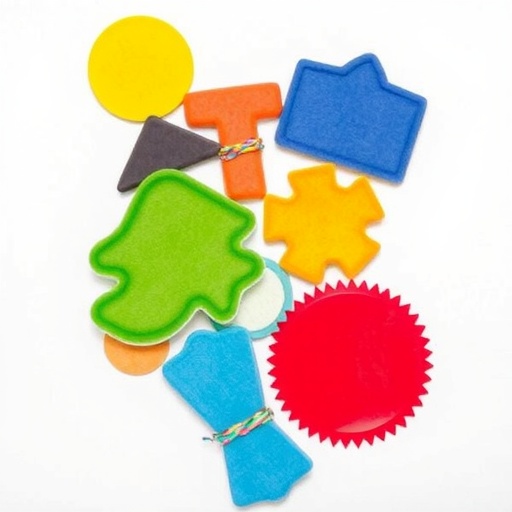
In recent years, the scientific community has increasingly recognized the vital role that sensory processing plays in shaping the lived experiences of individuals with autism spectrum disorder (ASD). A groundbreaking new study by Liu (2025) illuminates the complex interplay between sensory sensitivities and aesthetic preferences, focusing on color intensity and texture complexity. This research not only deepens our understanding of how sensory processing differences influence emotional and sensory experiences but also opens promising avenues for tailored therapeutic and educational interventions that cater specifically to the sensory profiles of neurodiverse individuals.
At the core of Liu’s investigation lies the hypothesis that varying degrees of sensory sensitivity among individuals with ASD directly affect their preferences for visual and tactile stimuli. Contrary to a one-size-fits-all approach, the study reveals that people with heightened sensory sensitivities tend to gravitate towards softer, smoother sensory inputs, while those with lower sensitivities prefer bolder colors and rougher textures. These preferences are not merely superficial likes but reflect profound emotional and sensory experiences linked to comfort, overstimulation, and engagement.
Employing a mixed-methods approach, the study integrates both quantitative data analysis and thematic qualitative insights to uncover patterns in sensory preferences. Participants were exposed to a range of color intensities—from soft pastels to bold primaries—and texture complexities—from smooth surfaces to distinctly rough textures. The results consistently support a strong positive correlation between sensory sensitivity and affinity for subdued, smooth stimuli. Those with high sensory sensitivity reported feelings of calmness and sensory comfort in response to these stimuli, emphasizing their therapeutic potential.
Conversely, individuals with lower sensory sensitivity levels expressed a marked preference for vivid, high-intensity colors combined with more complex, rough textures. For this group, bold colors and pronounced texture patterns were perceived as energizing, involving, and emotionally resonant rather than overwhelming. These findings underscore the heterogeneity of sensory experience within the ASD population and challenge assumptions that sensory sensitivities uniformly translate to avoidance of intense stimuli.
Emotional resonance scores collected during the study further underscored these divergent sensory-emotional associations. Soft and smooth stimuli yielded higher emotional comfort scores among highly sensitive participants, reinforcing the notion that sensory stimuli can act as conduits for emotional regulation. On the other hand, low sensitivity participants rated bold and rough textures as more emotionally stimulating, suggesting that the sensory experience is intricately tied to individual neurophysiological profiles.
Beyond numerical correlations, Liu’s thematic analysis unearthed recurrent themes that speak volumes about the nature of sensory integration in ASD. These themes encompass sensory comfort, overstimulation, and emotional resonance, which varied distinctly across sensitivity levels. Participants with heightened sensitivity frequently recounted experiences of sensory overload, emphasizing the need for calm and predictable sensory environments. Meanwhile, those with lower sensitivity reported positive engagement with more intense sensory inputs, describing these as socially and emotionally fulfilling.
The implications of these findings extend far beyond academic curiosity. They advocate for the creation of sensory-aware environments and art-based interventions tailored to individual sensory profiles to optimize emotional well-being in neurodiverse populations. In practice, this means that educators, therapists, and caregivers must consider sensory preferences when designing learning spaces, therapeutic programs, or creative activities. For instance, a sensory-sensitive individual might benefit from calming color schemes and textures that reduce anxiety and increase comfort, while an individual with lower sensitivity could find therapeutic value in environments that challenge and engage the senses more boldly.
Liu’s study also highlights the necessity of broadening the scope of research to include other sensory dimensions such as auditory and tactile modalities, which are known to be significant in the sensory experiences of people with ASD. Future research expanding on these findings could lead to more holistic, multisensory therapeutic approaches, making interventions more effective and nuanced.
One of the most transformative potential applications lies in sensory-aware art therapy. By harmonizing sensory inputs with individual profiles, creative engagements can become powerful tools for emotional expression and regulation among neurodiverse individuals. Tailoring color palettes and surface textures in art therapy could help modulate anxiety, stimulate positive engagement, and foster deeper emotional connections.
Further expanding educational curricula to reflect sensory sensitivity considerations could revolutionize the learning experiences of children with ASD. Adjusting classroom aesthetics and materials to align with sensory profiles promises to increase attention, reduce distress, and enhance overall participation. This approach moves beyond conventional educational models and recognizes the diversity of sensory worlds inhabited by learners.
The data also calls for technological innovations in the design of sensory environments, with smart spaces that adapt dynamically to individual needs. Imagine classrooms, therapy rooms, or even public spaces equipped with lighting and textured surfaces that can be tuned to suit the sensory preferences of their occupants. Such advancements could dramatically improve quality of life and social integration for those on the spectrum.
Moreover, these insights into the sensory-aesthetic nexus pose intriguing questions about the broader neurocognitive mechanisms at work within ASD. Understanding why sensory sensitivities shape aesthetic tastes opens a window into how sensory processing and emotional regulation circuits interact in the autistic brain. This could pave the way for bridging sensory neuroscience with affective psychology in unprecedented ways.
The robust correlations revealed in Liu’s study also make a compelling case for the inclusion of sensory sensitivity assessments in clinical evaluations. Incorporating these assessments can guide personalized intervention plans that are more sensitive to the individual’s evolving needs and preferences, thereby enhancing therapeutic efficacy over time.
Importantly, this research speaks to the growing movement toward neurodiversity-affirming practices, emphasizing strengths and unique preferences rather than deficits. By recognizing diverse sensory profiles as fundamental aspects of identity rather than obstacles, caregivers and society at large can foster more inclusive, supportive environments.
In doing so, we move closer to a future where neurodiverse individuals not only cope but thrive in environments designed with their sensory realities in mind. Liu’s contribution, therefore, is not only empirical but ethical, advocating for respect and accommodation of sensory diversity within educational, clinical, and social domains.
This transformative study heralds a new chapter in autism research—one that marries the scientific rigor of sensory neuroscience with the humanistic goals of emotional well-being and social inclusivity. The findings provide a foundational framework for future explorations into multisensory modalities and more representative populations, promising broad applicability and impact.
Ultimately, Liu’s research urges us to reimagine our sensory worlds and recognize the profound ways in which sensory processing shapes more than perception—it sculpts emotion, preference, and identity. In doing so, it sets the stage for innovations that honor the full spectrum of human neurodiversity.
Cite Scienmag News
Vanessa Hunter. (August 27, 2025). Sensory Processing Shapes Color, Texture Preferences in Autism. Scienmag. https://scienmag.com/sensory-processing-shapes-color-texture-preferences-in-autism/
Vanessa Hunter. "Sensory Processing Shapes Color, Texture Preferences in Autism." Scienmag, 27 August 2025, https://scienmag.com/sensory-processing-shapes-color-texture-preferences-in-autism/. Accessed 3 September 2026.
Vanessa Hunter. "Sensory Processing Shapes Color, Texture Preferences in Autism." Scienmag. August 27, 2025. https://scienmag.com/sensory-processing-shapes-color-texture-preferences-in-autism/


