


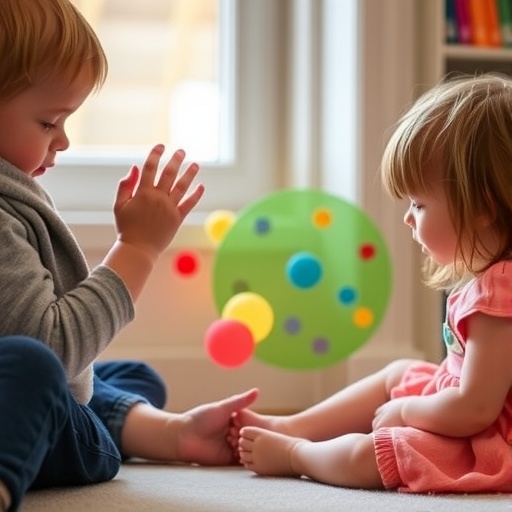
In the realm of pediatric healthcare, recent advances have illuminated remarkable paths toward understanding and addressing sensory processing challenges in children with complex chromosomal abnormalities. A striking case report, authored by Buğday, Cemali, and Karaduman, delves into the profound effects of Ayres Sensory Integration®-based occupational therapy interventions on a child diagnosed with both 4p trisomy and 10q monosomy. The study, published in BMC Pediatrics, ignites conversation about tailored therapeutic approaches for individuals with unique genetic profiles.
The paper highlights the journey of a young child grappling with the intricate manifestations of their genetic conditions. The child’s developmental delays and heightened sensitivities were characterized by atypical sensory processing responses, which often left them struggling with everyday experiences that most children navigate with ease. The established hypothesis driving the research was that a structured occupational therapy framework, rooted in Ayres Sensory Integration® principles, could remedy these sensory integration challenges effectively.
At the heart of this research lies the profound impact of sensory integration on a child’s ability to engage with their environment. Sensory processing issues can lead to significant social, emotional, and developmental challenges. In the case reported, the child exhibited signs of sensory overload and hyper-responsive behaviors, particularly in response to auditory and tactile stimuli. Traditional therapeutic approaches were insufficient, prompting the authors to explore Ayres Sensory Integration®, known for its focus on implementing structured and playful activities that promote sensory processing.
What sets this report apart is its detailed assessment of individualized therapy strategies. The therapy regimen for the child included a variety of engaging sensory activities. These were meticulously designed to focus on improving proprioceptive, vestibular, and tactile processing capabilities. Each session aimed to create a safe environment where the child could explore and experiment with their responses to sensory stimuli. Such an approach is rooted not only in theory but also in clinical observations highlighting a responsive interplay between sensory input and motor output.
Over the course of the therapy, improvements became increasingly evident. The therapists noted heightened responsiveness to sensory experiences that previously induced stress and anxiety. The child’s engagement levels surged as they discovered comfort in various activities that previously seemed overwhelming. For instance, techniques involving gentle swinging movements enhanced vestibular processing and integrated well with other sensory modalities.
The researchers meticulously recorded progression throughout the intervention period, using a combination of qualitative observations and quantitative measures. This dual approach allowed for an exhaustive analysis of changes in behavior and engagement. Improvements in emotional regulation and social interactions were particularly noteworthy, offering the child new avenues for connection with peers and caregivers.
Significantly, the authors underscored the need for ongoing assessment and adaptation of therapy based on the child’s evolving needs. In essence, they forged a compelling argument for the fluidity of therapeutic interventions, advocating for personalization over a one-size-fits-all methodology. This case study stands as a testament to how an understanding of individual sensory profiles can transform therapeutic outcomes.
The authors further discussed the implications of their findings for future research and clinical practice. They emphasized that while their findings were specific to one child, the broader applicability of Ayres Sensory Integration® as a therapeutic approach could benefit many children facing similar challenges. As the field of pediatric therapy evolves, integrating genetic considerations into treatment planning may become essential, allowing practitioners to holistically assess and treat the unique profiles of each child.
In examining the role of occupational therapy through this lens, the report opens doors to conversations about multidisciplinary approaches, where geneticists, occupational therapists, and pediatricians collaborate seamlessly to address the needs of children with complex medical histories. The call for collaborative frameworks is a timely and crucial component in evolving healthcare practices to ensure comprehensive support systems for these children.
The significance of this case study cannot be understated. It reaffirms the critical nature of innovative therapeutic approaches in addressing the unique challenges faced by children with chromosomal abnormalities, notably when traditional paradigms falter. Furthermore, it serves as a clarion call for the reevaluation of existing therapeutic techniques to prioritize personalized, child-centric methodologies.
As readers and practitioners engage with this case report, the hope is that it will spur further investigation and dialogue surrounding sensory integration in the context of genetic challenges. The ongoing pursuit for more nuanced and effective therapies for sensory processing issues may ultimately lead to enriching the lives of children who navigate the complex journey that their genetic makeup presents.
In conclusion, this case report encapsulates a pivotal moment in pediatric occupational therapy, where Ayres Sensory Integration® proves to be a beacon of hope, guiding practitioners and families alike toward enhanced understanding, proactive interventions, and brighter futures for children with distinctive sensory processing needs. Through further exploration and research, there is immense potential to revolutionize therapeutic landscapes, ensuring that every child, regardless of their genetic background, has access to effective and meaningful support.
Buğday, T., Cemali, M. & Karaduman, A.A. Effect of ayres sensory integration ®-based occupational therapy intervention on sensory processing in a child with 4p trisomy and 10q monosomy: a case report.
BMC Pediatr 25, 857 (2025). https://doi.org/10.1186/s12887-025-06243-x
Cite Scienmag News
Ophelia Keating. (October 23, 2025). Sensory Integration Therapy Affects 4p Trisomy Child’s Processing. Scienmag. https://scienmag.com/sensory-integration-therapy-affects-4p-trisomy-childs-processing/
Ophelia Keating. "Sensory Integration Therapy Affects 4p Trisomy Child’s Processing." Scienmag, 23 October 2025, https://scienmag.com/sensory-integration-therapy-affects-4p-trisomy-childs-processing/. Accessed 3 September 2026.
Ophelia Keating. "Sensory Integration Therapy Affects 4p Trisomy Child’s Processing." Scienmag. October 23, 2025. https://scienmag.com/sensory-integration-therapy-affects-4p-trisomy-childs-processing/


