

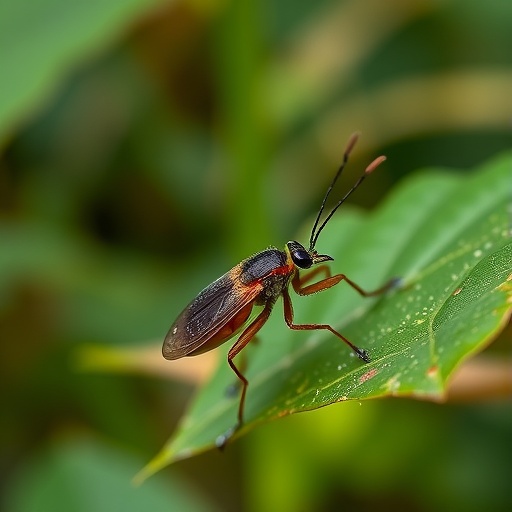
In recent years, the understanding of aquatic ecosystems has gained significant importance due to the pressing environmental challenges faced globally. Lakes and other water bodies are not only vital to biodiversity but play a critical role in regulating numerous ecological and hydrological processes. The investigation into aquatic entomofauna, the diverse group of insects living in these aquatic environments, reveals much about the health and sustainability of these ecosystems. Recent research has examined the seasonal dynamics and biomonitoring potential of aquatic insects in an artificial lake in India, offering vital insights into their roles and interactions.
Aquatic entomofauna comprises numerous insect orders, including Ephemeroptera (mayflies), Plecoptera (stoneflies), and Trichoptera (caddisflies), among others. These organisms are fundamental in the food web, serving as prey for various fish species and other wildlife while also influencing nutrient cycles and organic matter decomposition. Given their sensitivity to environmental changes, fluctuations in these insect communities can reflect broader ecological shifts, making them invaluable indicators of aquatic health.
The study, conducted by Anamika, Kumari, and Meena, emphasizes the seasonal dynamics observed in the artificial lake’s aquatic insect population. Over a year-long monitoring period, researchers documented the abundance and diversity of aquatic insects, noting variations influenced by seasonal changes, water temperature, and nutrient input. Such insights are critical for understanding how these communities respond to both natural and anthropogenic disturbances.
Notably, the researchers identified a pattern correlating insect diversity with changes in water quality parameters. During the monsoon season, a marked increase in organic matter and nutrient levels was observed. This shift resulted in a surge in certain aquatic insect populations, highlighting the adaptability and resilience of these organisms as well as their role as early warning indicators for water quality. This finding reinforces the concept that insect populations can be monitored to assess the ecological status of freshwater ecosystems.
Furthermore, the study delved into the movement patterns of aquatic insects, elucidating how these organisms migrate within the lake in response to changing conditions. This behavior not only affects their survival and reproductive strategies but also points to the importance of maintaining interconnected habitats that allow for movement and interaction among species. The necessity for conservation efforts becomes evident, given the threats posed by habitat fragmentation and pollution.
Biomonitoring using aquatic entomofauna presents an innovative approach for environmental management. By examining specific insect taxa and their health in relation to water quality, researchers can create indices that offer detailed insights into the ecological state of a water body. For policymakers and environmental regulators, this information serves as a powerful tool, enabling data-driven decisions that promote the sustainability of aquatic ecosystems.
The implications of such research extend beyond simple monitoring. As urbanization and industrialization continue to impact natural water bodies, understanding the responses of aquatic entomofauna can facilitate the development of strategies to mitigate adverse effects. Effective management practices can be guided by ecological responses observed in these insect populations, suggesting interventions that enhance resilience among aquatic communities.
As climate change further alters the patterns of precipitation and temperature, the research underscores the need for ongoing studies into how these factors will affect aquatic entomofauna. The resilience demonstrated by some insect populations suggests potential pathways for adaptation, yet many species may face challenges in the face of rapid environmental changes. Understanding these dynamics will be crucial for anticipating future biodiversity losses.
In addition to providing a snapshot of current conditions, monitoring programs that incorporate aquatic insects can help to establish long-term datasets essential for tracking ecological changes. Observations and data collected can contribute to global efforts aimed at conserving freshwater resources and promoting biodiversity, underscoring the interconnectedness of ecosystems worldwide.
Ultimately, the study epitomizes the crucial role of scientific research in unearthing the complexities of aquatic ecosystems. The findings illuminate how aquatic entomofauna not only survive but thrive in varying conditions, serving as living barometers for ecological monitoring. The ongoing documentation and analysis of these relationships paint a more comprehensive picture of how human activities intersect with natural processes, guiding conservation efforts effectively.
The integration of entomological data into environmental assessments could revolutionize our approach to managing freshwater ecosystems. By recognizing and leveraging the importance of these insect populations, we can foster healthier, more resilient water bodies and safeguard the biodiversity that relies on them. The journey towards sustainable environmental practices and policies hinges on our ability to learn from and adapt to the natural world, embodied in the dynamic lives of aquatic insects.
With the continuing expansion of artificial lakes and human-made wetlands, the spotlight on aquatic entomofauna will only grow brighter. The ongoing research into these fascinating organisms not only fills critical knowledge gaps but also paves the way for innovative monitoring strategies that align with conservation goals. As we look ahead, the importance of aquatic entomofauna remains unchanged; they are vital players in sustaining the health of our planet’s water systems.
In conclusion, the findings of Anamika, Kumari, and Meena serve as a compelling reminder of the need for a nuanced understanding of aquatic environments. The seasonal dynamics and response mechanisms of insect populations provide vital clues about the health of freshwater ecosystems. As we embrace more comprehensive ecological monitoring through the lens of aquatic entomofauna, we move closer to securing the future of our water resources and the myriad forms of life they support.
As communities and individuals increasingly grapple with the impacts of climate change and pollution, insights from this research will prove invaluable. They remind us that even the smallest creatures have profound implications for the health of our ecosystems. Therefore, fostering a deeper appreciation for aquatic entomofauna could encourage more robust conservation efforts, preserving not just the insects themselves but the intricate web of life they inhabit.
Research in this area will undoubtedly continue to evolve, challenging us to rethink our relationship with the natural world while offering new avenues for sustainable management practices. The study of aquatic entomofauna stands as a compelling example of how intertwined our fate is with the environment and emphasizes the urgent need to act with foresight in protecting our precious water resources.
Subject of Research: Seasonal dynamics and biomonitoring of aquatic entomofauna in an Indian artificial lake.
Article Title: Seasonal dynamics and biomonitoring role of aquatic entomofauna in an Indian artificial lake.
Article References:
Anamika, Kumari, V. & Meena, S. Seasonal dynamics and biomonitoring role of aquatic entomofauna in an Indian artificial lake.
Environ Sci Pollut Res (2026). https://doi.org/10.1007/s11356-025-37379-z
Image Credits: AI Generated
DOI: https://doi.org/10.1007/s11356-025-37379-z
Keywords: Aquatic entomofauna, biomonitoring, freshwater ecosystems, sustainability, biodiversity, climate change, water quality, environmental management.


