

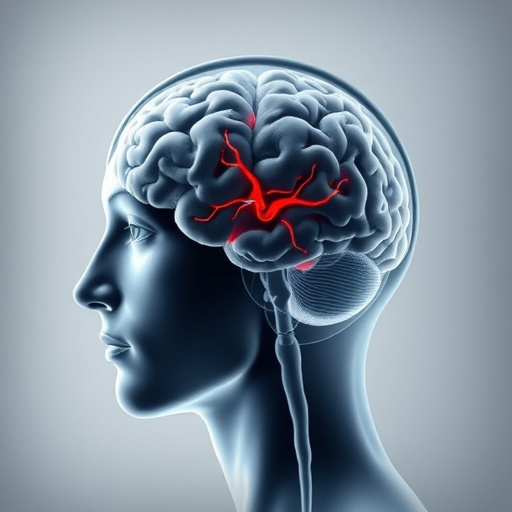
In a groundbreaking advance that could redefine our understanding of schizophrenia, a team of researchers has unveiled a cognitive subtype of the disorder intricately linked to cerebrovascular pathology. This discovery stems from a sophisticated integration of clinical assessments with postmortem brain analyses, blending behavioral science with neuropathology in a manner rarely seen in psychiatric research. The findings, published in the journal Translational Psychiatry, have the potential to pivot schizophrenia research toward a more nuanced view that incorporates vascular health as a critical determinant of cognitive dysfunction within this enigmatic mental illness.
Schizophrenia, a complex psychiatric syndrome affecting approximately 1% of the global population, has long been understood primarily through the lens of neurotransmitter dysfunction and genetic risk factors. Traditional models focus heavily on dopaminergic imbalances and synaptic anomalies to explain hallucinations, delusions, and cognitive deficits. However, the heterogeneity of cognitive symptoms suggests multiple underlying biological pathways. This latest research from Futhey, Vila-Rodriguez, Stochmanski, et al., introduces compelling evidence that cerebrovascular disease—a condition affecting the blood vessels in the brain—may define a distinct clinical and neuropathological subtype within schizophrenia.
The study’s novelty lies in its methodological rigor and comprehensive approach. Researchers meticulously gathered detailed clinical cognitive profiles from patients diagnosed with schizophrenia during their lifetimes, followed by extensive postmortem brain examinations focusing on vascular integrity, microvascular pathology, and ischemic markers. By correlating ante-mortem cognitive performance with microscopic pathological alterations, the investigators identified a subgroup whose impairment patterns closely mirrored the severity of cerebrovascular insults identified postmortem. This integrative technique moves beyond conventional diagnostic categorizations, marrying phenotype with pathology in a manner that clarifies the mechanistic underpinnings of cognitive decline in schizophrenia.
Cognitive deficits in schizophrenia vary significantly, ranging from mild attentional problems to profound memory and executive function impairments. In the delineated cerebrovascular subtype, patients exhibited a distinct profile of cognitive decline characterized prominently by slowed processing speed and disrupted executive control, hallmark features observed in vascular cognitive impairment outside psychiatric populations. Such a pattern was tightly associated with microvascular changes, including reduced capillary density and increased blood-brain barrier permeability, detected in multiple critical brain regions involved in cognition and behavior regulation.
The implications of these findings are transformative on multiple levels. First, they challenge the prevailing neurochemical dogma of schizophrenia by implicating vascular health as a critical factor influencing disease course and symptomatology. Second, this cerebrovascular phenotype aligns schizophrenia, at least in part, with broader systemic vascular conditions known to impact cognitive function, such as stroke and vascular dementia. This association raises intriguing possibilities for repurposing vascular-targeted therapies, traditionally used in cardiology and neurology, for ameliorating cognitive deficits in a subset of schizophrenia patients.
At the cellular and molecular levels, the study highlights important pathological hallmarks contributing to vascular compromise. Chronic endothelial dysfunction, evidenced by diminished nitric oxide availability, oxidative stress, and inflammatory markers, appears to initiate a cascade leading to microvascular rarefaction and disruption of neurovascular coupling. These alterations impede adequate cerebral blood flow and nutrient delivery, exacerbating neuronal vulnerability and synaptic dysfunction. Such mechanistic insights underscore the necessity of integrating vascular biology into the conceptual frameworks explaining schizophrenia pathophysiology.
Moreover, the results emphasize the intersection of systemic health and mental illness, an area gaining momentum in contemporary psychiatric research. Metabolic syndrome, hypertension, and diabetes—conditions frequently comorbid with schizophrenia—exert deleterious effects on vascular function. The cerebrovascular subtype identified may represent a pathological bridge linking these systemic risk factors to cognitive heterogeneity within schizophrenia, bolstering calls for holistic clinical management approaches that address both mental and physical health determinants.
This study also opens avenues for novel biomarkers to aid in early detection and stratification of schizophrenia patients. Imaging modalities sensitive to microvascular pathology, such as advanced MRI techniques emphasizing cerebral perfusion and vessel integrity, combined with peripheral blood biomarkers of endothelial injury and inflammation, could revolutionize individualized diagnostic frameworks. Early recognition of this vascular cognitive subtype would facilitate targeted interventions aimed at stabilizing or reversing vascular damage before irreversible cognitive decline ensues.
Critically, the notion of a cerebrovascular subtype expands the conceptualization of schizophrenia from a purely neurodevelopmental or genetic disorder to one incorporating acquired vascular insults that exacerbate or modulate disease expression. This emphasizes the continuum hypothesis, where schizophrenia involves both inherited vulnerabilities and environmental or systemic insults interacting over time, resulting in the ultimate phenotype. Understanding the timing and progression of vascular pathology in relation to disease onset remains an essential future research direction.
The integration of clinical and neuropathological data in this study exemplifies a multidisciplinary synergy crucial for unraveling complex mental illnesses. Such integrative approaches that combine psychometric profiling, neuroimaging, molecular assays, and postmortem validation represent the vanguard of psychiatric research—promising more precise nosology and therapeutic innovation. The cerebrovascular subtype identification is a testament to the power of convergent methodology in revealing hidden disease mechanisms that single modalities alone might overlook.
From a translational perspective, these insights portend the development of new treatment paradigms. Pharmacological agents that enhance endothelial function, improve cerebral perfusion, or reduce vascular inflammation currently deployed in other medical domains may find application in schizophrenia cognitive impairment. Additionally, lifestyle interventions targeting cardiovascular risk factors, including diet, exercise, and smoking cessation, acquire heightened importance in managing schizophrenia patients, particularly those exhibiting this vascular cognitive phenotype.
In conclusion, the work by Futhey and colleagues constitutes a paradigm shift in schizophrenia research, bringing vascular pathology into sharp focus as a determinant of cognitive heterogeneity. It compels the psychiatric community to reconsider existing mechanistic models and embrace a multifactorial framework encompassing neurovascular health. Ultimately, this advance holds profound implications for improving patient outcomes through personalized medicine approaches integrating neurological, psychiatric, and cardiovascular expertise.
As the field moves forward, ongoing research must refine diagnostic criteria for the cerebrovascular subtype, explore underlying genetic susceptibilities influencing vascular vulnerability, and evaluate therapeutic efficacy in clinical trials. A sustained commitment to interdisciplinary collaboration will be essential to translate these discoveries from bench to bedside, fundamentally enhancing the lives of individuals grappling with schizophrenia and its cognitive burdens.
Subject of Research: Identification of a cerebrovascular-linked cognitive subtype within schizophrenia through integrated clinical and postmortem brain profiling.
Article Title: Integrated clinical and postmortem profiling in schizophrenia reveals a cognitive subtype linked to cerebrovascular disease.
Article References:
Futhey, N.C., Vila-Rodriguez, F., Stochmanski, S.J. et al. Integrated clinical and postmortem profiling in schizophrenia reveals a cognitive subtype linked to cerebrovascular disease. Transl Psychiatry (2026). https://doi.org/10.1038/s41398-026-03984-w
Image Credits: AI Generated


