


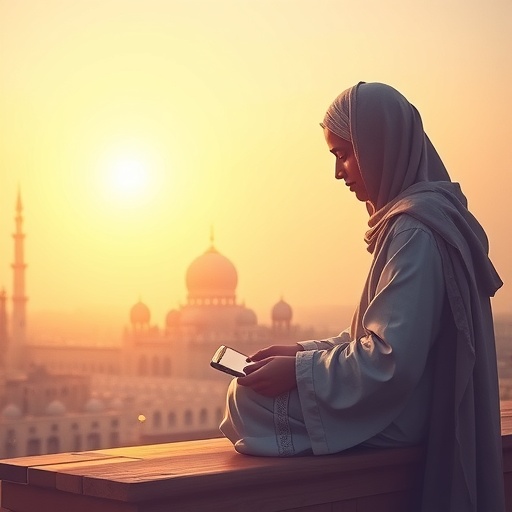
In recent years, the landscape of education has evolved significantly, particularly concerning the inclusion of diverse learning needs in traditional educational settings. Among these developments is an intriguing intersection of Islamic education and special educational needs (SEN), as outlined in the upcoming article by I. Mogra titled “Paradise in the classroom: SEND, salam and surahs in maktab education.” This piece delves deep into the ways Islamic pedagogy can provide support and membership for students with special needs through a framework that blends academic aspirations with spiritual enlightenment.
Maktab education, which consists of traditional Islamic schools where children learn subjects such as the Quran, Arabic language, and Islamic history, is at the forefront of this exploration. By centering the experiences of students with special educational needs and disabilities (SEND) within the maktab framework, the generational approach conveys an essential message of inclusivity. Mogra’s groundwork addresses how the spiritual ethos of Islam—which champions humanity, compassion, and service—can be interwoven with contemporary pedagogical strategies to foster environments that are welcoming for all learners.
One of the resounding themes within the research focuses on the principle of ‘salam,’ an Arabic term that translates to ‘peace.’ This concept beneath the Islamic faith emphasizes the need for a safe and supportive learning environment. Mogra argues that when students feel as though they belong—feeling respected and secured—they are more likely to thrive academically and socially. It presents an intrinsic motivation to learn, equipping them with not only the knowledge necessary for examination success but also the emotional and psychological resilience necessary for life.
Combining the frameworks of SEND with Islamic teachings, the article further elaborates on various pedagogical practices that can be adapted within maktabs to embrace this inclusivity. Mogra discusses the importance of employing differentiated instruction tailored to meet diverse learning styles and needs. Tailoring lesson plans to include visual aids, hands-on activities, and collaborative group work can significantly enhance the learning experience for SEND students, allowing for broader engagement regardless of their unique challenges.
Moreover, Mogra’s article highlights the significance of parental involvement in the educational process for SEND students in maktab settings. Families play a crucial role in a child’s education, and engaging parents in dialogue about their child’s needs can help to align home and school experiences. Islamic traditions that value family connections and community-oriented practices could serve as an effective platform for encouraging collaborative efforts between educators, parents, and the community. This synergy is essential not only for academic growth but also for providing emotional support which bolsters students’ self-esteem.
The connection between Quranic studies and SEND education is uniquely addressed in Mogra’s analysis. Traditional Quranic memorization, revered as a noble pursuit in Islamic culture, can also be adapted to meet the cognitive prowess of learners with varied capabilities. Strategies such as incorporating rhythm and repetition can enhance the memorization process for students who may struggle with conventional methods. Mogra emphasizes that the Quran’s beautiful language serves not merely as a subject to be learned, but as an avenue for emotional connection and personal development.
Additionally, the article navigates the importance of training Islamic educators to better understand and address the needs of SEND students. Professional development geared towards inclusive education practices within maktab settings is vital to empower teachers with the right tools and methodologies. Workshops and seminars can equip educators with insights into learning disabilities, enabling them to identify signs of challenges and employ strategies to help each child achieve their fullest potential.
An examination of societal perceptions of disability within Islamic contexts is essential for understanding how to create systemic change within maktab education. Mogra’s research underscores the work still needed to combat stigma and misinformation surrounding disabilities in various communities. Elevating discussions on SEND awareness helps to shift narratives toward an understanding of diversity as a strength rather than a limitation. By fostering positive discourse, the maktab can become a beacon of hope that supports all students, teaching them that their differences can lead to unique strengths.
Furthermore, the research addresses how the physical environment of maktabs might be rearranged to facilitate learning for SEND students. Elements such as adaptable furniture, sensory rooms, and quiet areas can cater to various needs, allowing for a more inclusive atmosphere. By prioritizing accessibility, educators can eliminate barriers and encourage independence, truly embodying the Islamic principles of dignity and respect for human life.
Mogra’s exploration also contemplates the intersection of mental health and SEN in Islamic education. Recognizing that many students with special needs may experience co-occurring mental health challenges, the maktab must provide appropriate support mechanisms. This could involve creating wellness curricula imbued with Islamic teachings that promote emotional intelligence, empathy, and resilience, steering communities toward a holistic view of education that balances spiritual, academic, and mental wellness.
As we navigate through these educational transformations, Mogra’s article serves as a pioneering communication between faith and special needs education, posing essential questions that challenge the monolithic view of educational success. It calls for a reflective practiced approach to teaching that not only encompasses academic rigor but also nurtures the soul.
In conclusion, the intertwining of SEND principles with Islamic education presents a fascinating opportunity that shelters the holistic development of learners in maktab settings. The exploration conducted by Mogra urges stakeholders—educators, parents, and community leaders—to seize this moment for growth and change, creating educational experiences that genuinely reflect the teachings of compassion and understanding prevalent within Islam. The journey of making education universally accessible and accepting is an evolving one, representing a commitment to honoring diversity as an emblematic hallmark of humanity.
In summary, “Paradise in the classroom: SEND, salam and surahs in maktab education” emerges as a cutting-edge contribution to the ongoing discourse about inclusivity in education, guiding us toward an enlightened future where every student can thrive within the embrace of their faith.
Mogra, I. Paradise in the classroom: SEND, salam and surahs in maktab education.
j. relig. educ. (2025). https://doi.org/10.1007/s40839-025-00272-5
Cite Scienmag News
Courtney Benton. (October 13, 2025). Sacred Science: Integrating SEND and Surahs in Education. Scienmag. https://scienmag.com/sacred-science-integrating-send-and-surahs-in-education/
Courtney Benton. "Sacred Science: Integrating SEND and Surahs in Education." Scienmag, 13 October 2025, https://scienmag.com/sacred-science-integrating-send-and-surahs-in-education/. Accessed 4 September 2026.
Courtney Benton. "Sacred Science: Integrating SEND and Surahs in Education." Scienmag. October 13, 2025. https://scienmag.com/sacred-science-integrating-send-and-surahs-in-education/


