


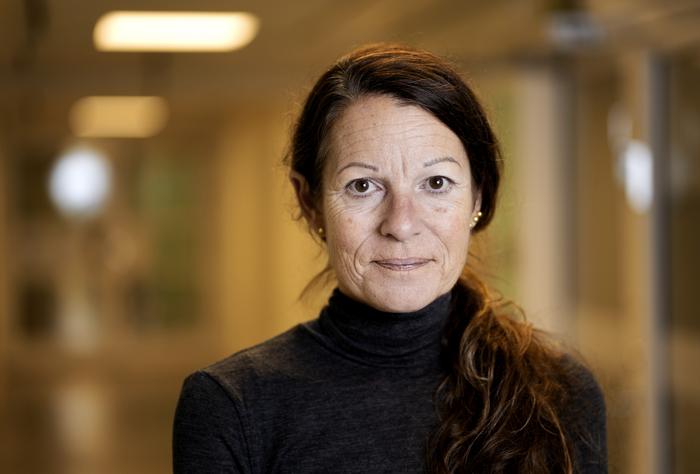
Rice University’s Department of Chemistry is preparing to welcome a transformative addition to its faculty, renowned biophysicist Pernilla Wittung-Stafshede. Beginning July 1, she will join as a professor, backed by a remarkable $6 million recruitment grant from the Cancer Prevention and Research Institute of Texas (CPRIT). This infusion of resources is poised to significantly strengthen Rice’s burgeoning research programs in cancer biology and protein science, underpinning innovative approaches to disease treatment.
The CPRIT grant supporting Wittung-Stafshede’s appointment is part of a broader $67 million investment by the agency to fund cutting-edge cancer research across Texas institutions. This funding surge aims to accelerate scientific discovery in cancer prevention, diagnosis, and therapy. Wittung-Stafshede’s expertise lies at the crucial intersection of biophysics, metalloprotein chemistry, and cancer metastasis, making her an invaluable asset for Rice’s drive to deepen its biomedical research capabilities.
Wittung-Stafshede’s prior tenure at Rice as an associate professor of biosciences between 2004 and 2008 laid the foundation for her enduring connection to the university. She expressed enthusiasm for her return, highlighting the unparalleled collaborative environment Rice offers, especially through proximity to the Texas Medical Center, one of the world’s foremost biomedical hubs. This environment promises fertile ground for interdisciplinary synergies bridging chemistry, biology, and clinical research.
Central to Wittung-Stafshede’s scientific inquiry is the study of metalloproteins—protein molecules that bind metal ions such as copper, fundamental to maintaining cellular homeostasis. Her research elucidates the paradoxical role these proteins play in cancer progression. While essential to normal physiology, copper-binding metalloproteins can inadvertently facilitate tumor metastasis by supplying copper, a trace element pivotal for angiogenesis and cellular proliferation in malignant tissues.
Employing an array of sophisticated biochemical and spectroscopic methodologies, her laboratory interrogates the molecular mechanisms underpinning protein-metal interactions. Through spectroscopic techniques like circular dichroism, electron paramagnetic resonance, and nuclear magnetic resonance, her group deciphers the conformational dynamics and metal coordination chemistry that govern protein function and pathological aggregation.
One of the more profound implications of Wittung-Stafshede’s work is the potential to identify novel molecular targets that disrupt copper-dependent pathways exploited by metastatic cancer cells. By unraveling precisely how copper ions modulate the structural and functional properties of these proteins within cancerous environments, her research opens avenues for the design of inhibitors that could arrest metastasis, the leading cause of cancer mortality.
Beyond individual cancer types, Wittung-Stafshede’s research suggests that perturbations in copper metabolism may represent a unifying hallmark across diverse malignancies. This insight raises the tantalizing prospect of developing broad-spectrum anti-metastatic therapies grounded in fundamental bioinorganic chemistry, transcending traditional tumor classification paradigms.
In addition to her cancer-focused investigations, Wittung-Stafshede is deeply engaged with the molecular underpinnings of neurodegenerative diseases such as Alzheimer’s and Parkinson’s. Here, the spotlight shifts to metal-binding proteins that undergo pathological aggregation into amyloid fibrils—misfolded protein assemblies implicated in neuronal toxicity and cell death. Her work probes the mechanisms by which metal ions influence amyloid formation, morphology, and toxicity.
A fundamental enigma in neurodegeneration is why certain proteins begin aggregating and how different amyloid conformations emerge. Wittung-Stafshede emphasizes the necessity of basic mechanistic understanding to unravel triggers underpinning metal-induced amyloidogenesis, without which rational therapeutic intervention remains elusive. Her multidisciplinary approach integrates biophysical characterization with cellular models to illuminate these processes.
Since 2015, Wittung-Stafshede has held a professorship in the Chemical Biology division at Chalmers University of Technology in Sweden, where she also served as division head, fostering excellence in faculty development and gender equality initiatives. Her leadership and prolific scholarly output—exceeding 270 peer-reviewed publications—position her at the forefront of protein chemistry and biomedical research internationally.
Her scientific acumen is further evidenced by her membership on the Nobel Committee for Chemistry since 2020, reflecting her stature within the scientific community. Her career has been marked by pivotal faculty roles in prestigious institutions across North America and Europe, shaping the landscape of molecular life sciences through both research and mentoring.
CPRIT was established through visionary legislative and public support in Texas, reflecting a commitment to making the state a nexus for cancer innovation. Since its inception and latest funding expansion, the agency has deployed more than $3.7 billion in grants and successfully recruited over 300 leading researchers, including Wittung-Stafshede, solidifying Texas as a global leader in cancer research.
Pernilla Wittung-Stafshede’s appointment at Rice represents not just a faculty hire but a strategic enhancement of the university’s ability to tackle some of the most intractable challenges in cancer and neurodegeneration. Her integrative, mechanism-driven approach to biophysics and protein chemistry stands to yield groundbreaking insights with profound translational implications, driving forward the frontiers of science and medicine.
Web References:
– https://cprit.texas.gov/grants-funded
– https://www.cprit.texas.gov/news-events/articles/state-cancer-agency-awards-68-million-in-research-grants-to-texas-institutions/
Cite Scienmag News
Nathaniel Bowman. (June 24, 2025). Rice University Enlists Biophysicist to Accelerate Cancer Research Efforts. Scienmag. https://scienmag.com/rice-university-enlists-biophysicist-to-accelerate-cancer-research-efforts/
Nathaniel Bowman. "Rice University Enlists Biophysicist to Accelerate Cancer Research Efforts." Scienmag, 24 June 2025, https://scienmag.com/rice-university-enlists-biophysicist-to-accelerate-cancer-research-efforts/. Accessed 9 September 2026.
Nathaniel Bowman. "Rice University Enlists Biophysicist to Accelerate Cancer Research Efforts." Scienmag. June 24, 2025. https://scienmag.com/rice-university-enlists-biophysicist-to-accelerate-cancer-research-efforts/


