

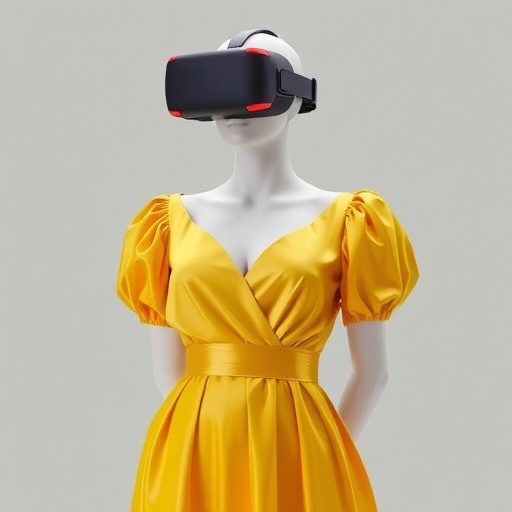
In an era where technology continues to redefine human experiences, the integration of artificial intelligence, virtual reality (VR), and 3D reconstruction is revolutionizing various industries. One particularly intriguing application of these technologies is in the realm of fashion and clothing design. Recent research spearheaded by X. Lu introduces an innovative approach: Intelligent Clothing Wear Display, utilizing cutting-edge 3D reconstruction stereo techniques and advanced VR technology. This exploration promises to not only enhance design processes but also reshape consumer interactions with clothing in ways previously unimagined.
The concept of displaying clothing through intelligent wear designs can be traced back to the growing demand for personalization in the fashion industry. Consumers are not just looking for items to wear; they are seeking experiences that deeply resonate with their individual identities. With the rise of e-commerce and the push towards addressing sustainability concerns, the need for a seamless blend of aesthetics, functionality, and technological innovation has never been more pressing. Lu’s research proposes that by harnessing 3D reconstruction techniques within a VR framework, a new paradigm can be established that allows for dynamic interaction with clothing displays, making the shopping experience more engaging.
3D reconstruction stereo involves capturing the spatial structure of physical objects and translating them into digital formats. This technology has vast applications, ranging from gaming to medical imaging, but its implementation in fashion is particularly captivating. By employing sophisticated algorithms and depth-sensing cameras, designers can create intricate 3D models of garments that retain authentic textures, colors, and dimensions. This allows consumers to view clothing from all angles, significantly improving upon traditional 2D images that dominate current online shopping experiences.
Moreover, the marriage of 3D reconstruction and VR takes this innovation a step further. Imagine walking into a virtual wardrobe where every item is not just displayed but is also interactive. Shoppers could manipulate items as if they were physically holding them, experiencing the fabric’s fall and movement first-hand. This immersive shopping experience would not only captivate users but could also allay concerns over fit and appearance—challenges that often hinder online retail conversion rates.
Additionally, the research emphasizes the role of intelligent algorithms in personalizing displays. By integrating data analytics, AI can assess user preferences and behaviors, tailoring recommendations to individual tastes. This means that rather than a one-size-fits-all experience, consumers are greeted with curated options that reflect their unique style profiles. The implications for retail are immense, as this level of personalization could lead to enhanced customer satisfaction and loyalty.
Sustainability is another critical factor addressed in Lu’s research. Traditional fashion retail often results in overproduction and waste, as countless garments may be manufactured without ever being sold. However, by adopting a VR-based approach that emphasizes virtual try-ons and viewings, brands could drastically reduce the need for physical samples. Instead, offering virtual representations of collections minimizes waste and aligns with the growing consumer demand for environmentally conscious practices.
Moreover, the integration of VR technology facilitates collaboration among designers and manufacturers spread across the globe. Through virtual platforms, teams can collaborate in real-time, share ideas effortlessly, and visualize concepts in a shared space despite physical distances. This agile working method could shorten design cycles, enabling faster adaptation to trends and consumer demands—crucial in an industry often criticized for its speed and efficiency.
The learning curve associated with these technologies may be steep, but Lu’s research proposes an accessible framework that enhances usability. By simplifying the interface of VR systems and ensuring that 3D reconstruction software is intuitive, both consumers and designers can embrace these tools without being deterred by technological complexities. As a result, the risk of alienating users unfamiliar with technology decreases, promoting broader acceptance within the fashion industry.
It’s also essential to recognize that the impact of this research extends beyond commercial interests. By creating engaging platforms that allow individuals to interact with fashion in more profound ways, there is potential for social change. Virtual experiences can highlight issues such as body positivity and diversity, showcasing clothing on a diverse array of body types in all its nuances. This aspect of inclusivity aligns with broader societal movements demanding representation across all facets of culture.
Transitioning from the theoretical to the practical, brands embracing this technology will have to grapple with data security and privacy issues. With the integration of AI comes the responsibility to protect users’ data adequately, especially as systems learn from and adapt to consumer interactions. Lu’s research stresses the importance of establishing robust data protection protocols to maintain trust between consumers and technology.
Furthermore, the potential for cross-industry collaborations emerges as a natural consequence of these advances. Traditional fashion houses could partner with tech companies to create innovative retail solutions, bridging the gap between art and science. Such alliances can generate experiences that transcend typical retail boundaries, leading to the emergence of completely new business models that capture the complex relationship between technology, fashion, and consumer behavior.
As the time draws closer for these technologies to become mainstream, anticipations grow. What will the future of fashion retail look like as the intelligent clothing wear display system becomes integrated into everyday consumer experiences? The traditional storefront may evolve into a digital landscape, reshaping not only how garments are marketed but also how customers perceive and appreciate the fashion world.
In summary, X. Lu’s research into intelligent clothing wear display design marks a pivotal moment in the convergence of fashion and technology. By leveraging 3D reconstruction stereos and VR technology, the potential to revolutionize consumer engagement, enhance sustainability, and transform industry practices presents itself. As the fashion industry continues to evolve, embracing these technological advancements may become indispensable for branding efforts focused on innovation and consumer satisfaction.
Subject of Research:
Article Title: Intelligent Clothing Wear Display Design Based on 3D Reconstruction Stereo and VR Technology
Article References:
Lu, X. Intelligent clothing wear display design based on 3D reconstruction stereo and VR technology.
Discov Artif Intell (2025). https://doi.org/10.1007/s44163-025-00680-4
Image Credits: AI Generated
DOI: 10.1007/s44163-025-00680-4
Keywords: 3D reconstruction, virtual reality, intelligent clothing, fashion technology, consumer engagement, sustainability.


