


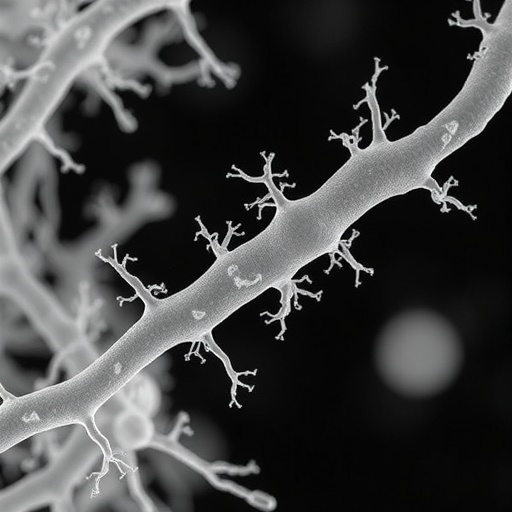
In an age where microbial resistance poses substantial threat to global health, understanding the intricacies of pathogens has never been more critical. The emergence of new strains and the ability of existing bacteria to adapt to changing environments necessitates a comprehensive understanding of their genomic architecture. In this context, researchers are increasingly turning to cutting-edge genomic methodologies to classify and analyze various bacterial strains. One of the recent advancements in this field is the introduction of Life Identification Number (LIN) codes, which serve as a vital tool for the genomic taxonomy of Corynebacterium diphtheriae, the bacterium responsible for diphtheria—a disease that was once a major killer among children.
Corynebacterium diphtheriae is not merely a relic of medical history; it still presents a notable health risk, especially in under-vaccinated populations. Traditional methods of identifying this bacterium have relied heavily on phenotypic characteristics, which can often lead to misidentification and ultimately impede effective treatment. With the advent of genomic techniques, however, the scientific community is presented with revolutionary opportunities to enhance the accuracy and efficiency of bacterial classification.
The introduction of LIN codes marks a significant breakthrough in this endeavor. By leveraging high-throughput sequencing technologies, researchers Delgado-Blas, Rethoret-Pasty, and Brisse have developed a systematic nomenclature that unequivocally categorizes various strains of C. diphtheriae based on their genomic sequences. This ingenious approach not only facilitates better identification but also provides a nuanced understanding of the genetic diversity present within this species.
Each LIN code represents a unique genetic fingerprint, encapsulating the specific characteristics and evolutionary lineage of a particular strain of C. diphtheriae. This precision allows scientists to track the emergence and spread of variants with ease, an essential feature when considering the bacterium’s potential for outbreaks. In local outbreaks, identifying the specific strain can inform public health responses and enable targeted prevention strategies, ultimately leading to better health outcomes for affected populations.
In addition to improving identification, LIN codes also offer significant insights into the pathogenicity and antimicrobial resistance patterns exhibited by different C. diphtheriae strains. Some strains exhibit a heightened ability to evade antibiotic treatment, thus complicating the management of infections. By elucidating the genetic mechanisms underlying these traits, LIN codes provide a framework for developing novel therapeutic strategies aimed at combating resistant strains.
Moreover, the implementation of LIN codes can facilitate international collaboration and data sharing. As researchers from around the world analyze different strains and upload their findings into a shared database, the global health community will have access to a wealth of information regarding the behavior and transmission of C. diphtheriae. Understanding these patterns on a global scale is crucial for predicting future outbreaks and preparing for potential public health crises.
The impact of LIN codes transcends mere identification; it has implications for vaccine development as well. By comprehensively mapping the genetic landscape of C. diphtheriae, researchers are better equipped to identify potential vaccine targets. Hence, vaccines can be designed to account for the diversity of strains, increasing the likelihood of efficacy within vaccinated populations.
Local healthcare systems can also benefit from enhanced understanding through LIN codes. For hospitals and clinics facing rising diphtheria cases due to low vaccination rates, rapid genomic identification of C. diphtheriae strains can expedite treatment protocols. Timely diagnosis can help mitigate the spread in communities, especially when rapid intervention is crucial.
This precise classification system is not merely an academic exercise; it has real-world implications. Health care providers can swiftly determine whether an infection is due to a virulent strain or a less harmful variant. This knowledge can guide treatment choices, allowing clinicians to reserve more aggressive antibiotics for serious infections while employing less potent alternatives for milder cases—an essential strategy in the face of rising antibiotic resistance.
In conclusion, the innovative framework provided by LIN codes is set to reshape how the scientific community approaches genomic taxonomy and public health response regarding Corynebacterium diphtheriae. By harnessing the power of genomic data, researchers are paving the way for more efficient public health strategies that account for the complexities of bacterial diversity. As LIN codes gain acceptance, the hope is that they will serve not only as a tool for research but also as an indispensable resource for clinical applications, ultimately furthering the global fight against infectious diseases.
The promise of LIN codes lies in their potential to change the narrative around bacterial infections, transforming how we identify, understand, and combat these pathogens. The journey ahead holds the prospect of a more robust arsenal against C. diphtheriae and similar threats, fueled by data-driven insights that empower healthcare professionals and researchers alike. With a united effort, public health can anticipate, mitigate, and ultimately conquer the challenges posed by adaptable pathogens in the modern age.
In summary, as the cogs of genomic taxonomy turn, LIN codes signify not just a methodological advance—they signify hope for a world where bacterial pathogens no longer pose a formidable threat to global health.
Cite Scienmag News
Morgan Morrow. (January 25, 2026). Revolutionizing Corynebacterium diphtheriae Strain Classification. Scienmag. https://scienmag.com/revolutionizing-corynebacterium-diphtheriae-strain-classification/
Morgan Morrow. "Revolutionizing Corynebacterium diphtheriae Strain Classification." Scienmag, 25 January 2026, https://scienmag.com/revolutionizing-corynebacterium-diphtheriae-strain-classification/. Accessed 4 September 2026.
Morgan Morrow. "Revolutionizing Corynebacterium diphtheriae Strain Classification." Scienmag. January 25, 2026. https://scienmag.com/revolutionizing-corynebacterium-diphtheriae-strain-classification/


