


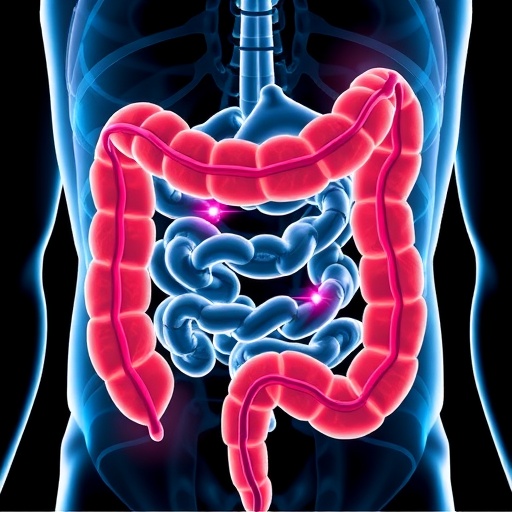
In the evolving landscape of colorectal oncology, recent advances in neoadjuvant therapies are reshaping the management of locally advanced colon cancer (LACC), signaling a paradigm shift from the traditional postoperative chemotherapy approach to strategic preoperative interventions. Surgical resection combined with adjuvant chemotherapy has long stood as the cornerstone of treatment for localized colon cancer; however, the complexity of LACC demands more nuanced strategies. Neoadjuvant chemotherapy—administered before surgical procedures—has emerged as a compelling modality, demonstrating potential to reduce tumor burden, enhance resectability, and improve long-term patient outcomes.
Groundbreaking clinical trials such as FOxTROT, OPTICAL, and NeoColr have laid the foundation, revealing that administering chemotherapy prior to surgery not only elicits robust tumor regression but also mitigates the incidence of recurrence and distant metastases. These trials underscore the efficacy of neoadjuvant therapy in transforming the biological behavior of tumors, effectively “downstaging” cancers to more operable stages. By shrinking tumor volumes, these treatments facilitate complete resections, which are critical for prolonging survival and improving quality of life.
A multidisciplinary review led by Dr. Richard D Kim at the Moffitt Cancer Center provides a comprehensive synthesis of the emerging role of neoadjuvant treatments in LACC. The review delves into the nuanced interplay between tumor biology, molecular characteristics, and therapeutic response, highlighting how the mismatch repair (MMR) status serves as a pivotal biomarker guiding personalized intervention strategies. Of particular interest is the NICHE trial, which explores neoadjuvant immunotherapy in MMR-deficient tumors—offering a glimpse into the revolutionary potential of harnessing the host immune system before surgery to eradicate micrometastases and improve oncologic outcomes.
Anatomical and molecular heterogeneity between right colon cancer (RCC) and left colon cancer (LCC) further informs treatment stratification. RCC often features deficient MMR, BRAF and KRAS mutations, and is surgically challenging due to its anatomical position. Conversely, LCC displays genomic instability typified by chromosomal alterations and TP53 mutations, with localized constraints that influence chemotherapeutic choices. Oxaliplatin-based regimens are frequently preferred in LCC, reflecting its distinctive molecular landscape and therapeutic sensitivity.
The application of neoadjuvant chemotherapy in LACC transcends merely preoperative tumor reduction. It confers enhanced chemotherapy tolerance, reduces postoperative complications, and bolsters long-term disease control. This approach elevates complete resection rates and fosters tumor regression, sometimes obviating the need for surgery in select cases. The approach’s multifaceted benefits also manifest in equity of treatment adherence and an overall shift towards multidimensional, patient-centered care.
Intrinsically, neoadjuvant chemotherapy is effective across MMR-proficient and deficient phenotypes, achieving disease control, reducing the frequency of advanced-stage cancers, and improving surgical outcomes. Such efficacy points toward a broader clinical utility and advocates for integration into mainstream protocols. The immunogenic landscape of dMMR tumors, in particular, offers fertile ground for combining chemotherapy with immunotherapeutic agents, potentially revolutionizing neoadjuvant intervention paradigms.
Despite these promising developments, challenges remain formidable. Tumor progression during neoadjuvant treatment can precipitate life-threatening complications, including bowel obstruction and perforation, sometimes mandating emergency surgeries that carry heightened risks. Precise staging remains a critical bottleneck; inaccurate assessment may lead to inappropriate treatment selection and suboptimal patient outcomes. Toxicities inherent to chemotherapy—including immune-related adverse events such as pneumonitis, thyroid dysfunction, and cutaneous eruptions—further complicate clinical management, occasionally necessitating early cessation of therapy.
Nonetheless, a pivotal clinical trial comparing standard and neoadjuvant approaches revealed no significant difference in surgical complication rates, lending credence to the safety of preoperative chemotherapy when judiciously applied. Dr. Kim emphasizes that ongoing research and technological advancements are instrumental in refining patient selection criteria, enhancing therapeutic efficacy, and mitigating risks.
A promising solution lies in leveraging advanced imaging modalities such as magnetic resonance imaging (MRI) and positron emission tomography/computed tomography (PET/CT) to enhance staging accuracy and treatment planning. Innovations in radiomics and artificial intelligence are poised to revolutionize diagnosis by extracting high-dimensional data from imaging, thereby predicting tumor behavior and therapy response with unprecedented precision. The integration of these modalities promises a future where oncologic care is profoundly individualized, responsive, and dynamic.
As the role of neoadjuvant therapies expands, a collaborative, multidisciplinary framework encompassing oncologists, surgeons, radiologists, pathologists, and data scientists is increasingly vital. This synergy ensures that complex clinical decisions—ranging from timing and sequencing of therapies to personalized risk assessment—are optimized to maximize patient benefit.
The landscape of LACC treatment is at an inflection point, driven by a convergence of molecular insights, clinical trial data, and technological innovation. Neoadjuvant chemotherapy, often combined with emerging immunotherapeutic approaches, stands to redefine the treatment algorithms, enhancing survival, decreasing morbidity, and ultimately altering the natural history of this challenging malignancy.
Future directions will likely prioritize refining biomarker-driven patient selection and integrating novel agents to augment tumor eradication preoperatively. As clinical evidence accumulates, the paradigm may shift from a one-size-fits-all approach to a tailored, precision oncology model that maximizes efficacy while minimizing toxicity.
In sum, neoadjuvant therapies are not merely adjuncts but transformative elements in the management of locally advanced colon cancer. By shrinking tumors, improving surgical outcomes, and potentially invoking the immune system, these strategies represent a critical step forward in a disease historically marked by therapeutic stagnation.
The promise of neoadjuvant treatment is tangible, offering renewed hope and a clearer path to durable remission for patients with locally advanced colon cancer. As research propels forward, this approach stands to become an integral component of personalized oncologic care, heralding a new era in colorectal cancer therapeutics.
Cite Scienmag News
Nathaniel Bowman. (September 19, 2025). Review in Chinese Medical Journal Spotlights Neoadjuvant Therapy’s Potential in Treating Advanced Colon Cancer. Scienmag. https://scienmag.com/review-in-chinese-medical-journal-spotlights-neoadjuvant-therapys-potential-in-treating-advanced-colon-cancer/
Nathaniel Bowman. "Review in Chinese Medical Journal Spotlights Neoadjuvant Therapy’s Potential in Treating Advanced Colon Cancer." Scienmag, 19 September 2025, https://scienmag.com/review-in-chinese-medical-journal-spotlights-neoadjuvant-therapys-potential-in-treating-advanced-colon-cancer/. Accessed 4 September 2026.
Nathaniel Bowman. "Review in Chinese Medical Journal Spotlights Neoadjuvant Therapy’s Potential in Treating Advanced Colon Cancer." Scienmag. September 19, 2025. https://scienmag.com/review-in-chinese-medical-journal-spotlights-neoadjuvant-therapys-potential-in-treating-advanced-colon-cancer/


