


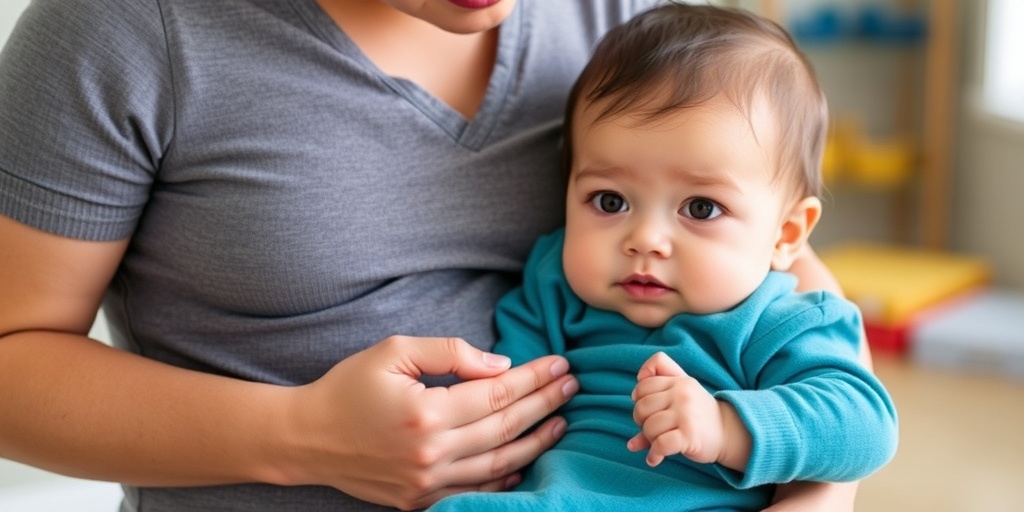
Recent insights from researchers at Oregon Health & Science University’s Center for Mental Health Innovation have opened a new chapter in our understanding of the link between maternal nutrition during pregnancy and the mental health outcomes of children. Particularly during the third trimester, the dietary habits of expectant mothers appear to play a significant role in shaping the neurodevelopmental trajectory of their offspring, potentially increasing the risk for mental health disorders later in life. This discovery emphasizes an often-overlooked aspect of maternal health: the profound impact that nutritional choices can have not just on immediate physical health, but on long-term psychological well-being.
A study published in the peer-reviewed journal Scientific Reports explored how the diets of pregnant women during their second and third trimesters relate to behavioral and temperament outcomes in their children. Specifically, researchers aimed to understand the effects of consuming high-glycemic index (GI) foods, which cause rapid increases in blood sugar levels, on infant behavior. High-GI foods are widely available and commonly consumed, including items like white bread, sugary cereals, and snacks. This research adds to a growing body of literature that reveals essential connections between maternal health behaviors and the mental health of their children.
Conducted under the guidance of prominent figures in psychiatry and nutrition, such as Dr. Elinor Sullivan and Dr. Hanna Gustafsson, the study assessed the dietary intake of over 300 pregnant participants. Data was systematically gathered through detailed food frequency questionnaires, which allowed researchers to evaluate not only the quantities of food consumed but also their respective glycemic indices. With this data, they were able to create composite averages of dietary glycemic indices, enabling them to draw conclusions regarding the overall nutritional quality of each participant’s diet during crucial stages of pregnancy.
One particularly striking finding from the study is that the detrimental effects of high-glycemic index foods on behavioral outcomes in infants were most pronounced during the third trimester. This suggests that the final weeks of prenatal development may represent a sensitive period during which the developing fetal brain is particularly vulnerable to nutritional influences. The implications of these findings are both profound and urgent; health care practitioners can potentially mitigate the development of mental health disorders in children through targeted dietary interventions aimed at mothers.
Lead author Dr. Elizabeth Wood emphasizes the significance of these findings, asserting that they underscore the critical need for nutritional interventions during pregnancy. By identifying specific dietary patterns that correlate with improved infant behavioral health outcomes, health professionals can advise expectant mothers on making better food choices. This proactive approach could lead to a healthier developmental trajectory for infants, fostering better mental health in early life stages.
Moreover, Dr. Jamie Lo, a maternal-fetal medicine expert, noted the crucial opportunity for intervention that arises late in pregnancy. Highlighting that many women establish prenatal care only after the first trimester, this research advocates for increased awareness and resources focused on nutrition during the third trimester. Educating expecting mothers on the importance of diet can empower them to make informed choices that directly impact their children’s well-being.
This line of research does not solely address dietary concerns; it also points to broader socio-economic issues related to food accessibility and education. The need for policy modifications that enhance access to and knowledge about nutritious foods is underscored by the researchers. Furthermore, there is a call to integrate nutritional counseling into routine prenatal care, allowing healthcare providers to take a more holistic approach to maternal and infant health.
The Oregon Health & Science University Center for Women’s Health offers tools like the ‘My Pregnancy Plate’ model, which advocates for balanced, varied, and moderate eating habits during pregnancy. This resource aligns well with the findings of the research, framing healthy dietary choices as fundamental to ensuring the health of mothers and their babies. One-on-one counseling with registered dietitians is also available, providing personalized support that can cater to individual dietary preferences and restrictions.
As the field of maternal health continues to evolve, the insights gained from this research pave the way for future studies focused on optimizing maternal nutrition. By determining the best dietary patterns during pregnancy, researchers hope to significantly improve the long-term health of both mothers and children. The overarching goal of this research is not merely to identify risks but to lay the groundwork for actionable interventions that can alter the course of children’s lives for the better.
In conclusion, the vital relationship between maternal diet and infant mental health cannot be overstated. This emerging evidence suggests that altering dietary habits during pregnancy—especially in the third trimester—could result in tangible improvements in the mental health outcomes of future generations. As Dr. Sullivan aptly puts it, interventions made during pregnancy carry the potential to shape the health of not just one child but their descendants as well, marking a significant step forward in public health and preventive medicine.
Cite Scienmag News
Harold Sullivan. (March 27, 2025). Research Establishes Connection Between Maternal Nutrition and Infant Behavioral Health Risks. Scienmag. https://scienmag.com/research-establishes-connection-between-maternal-nutrition-and-infant-behavioral-health-risks/
Harold Sullivan. "Research Establishes Connection Between Maternal Nutrition and Infant Behavioral Health Risks." Scienmag, 27 March 2025, https://scienmag.com/research-establishes-connection-between-maternal-nutrition-and-infant-behavioral-health-risks/. Accessed 5 September 2026.
Harold Sullivan. "Research Establishes Connection Between Maternal Nutrition and Infant Behavioral Health Risks." Scienmag. March 27, 2025. https://scienmag.com/research-establishes-connection-between-maternal-nutrition-and-infant-behavioral-health-risks/


