

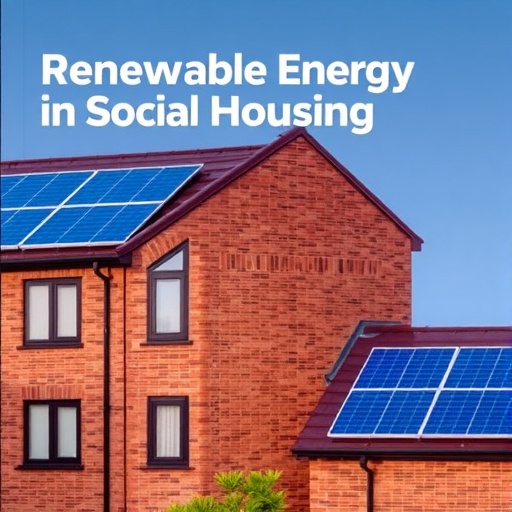
The integration of renewable energy resources into social housing has become an imperative focus in the dialogue surrounding sustainable development and affordability. As we strive towards a future where environmental considerations are intertwined with housing policy, understanding the implications of renewable energy adoption is critical. A systematic review encompassing various studies has highlighted the multifaceted ways in which this integration impacts both the cost-effectiveness of living in social housing and the long-term sustainability of communities.
One of the pivotal insights from recent research indicates that the introduction of renewable energy solutions, such as solar panels or wind turbines, not only aligns with environmental goals but also addresses the pressing issue of energy affordability. Social housing has traditionally been viewed as a sector with limited financial resources, prompting the need for affordable energy alternatives. The review suggests that incorporating renewable energy systems can significantly lower energy bills for residents, thereby contributing to greater economic stability for low-income families.
The environmental benefits of renewable energy are extensively documented; however, the social dimensions require deeper examination. When renewable energy is integrated into social housing projects, it fosters a sense of community ownership and empowerment. Residents involved in energy production are more likely to engage with their environment and take responsibility for their energy consumption. This engagement cultivates a sustainable mindset among residents, encouraging further community-led sustainability initiatives.
Moreover, the review underscores that integrating renewable energy sources can significantly enhance the quality of life in social housing. By reducing dependence on fossil fuels, these projects not only lower the carbon footprint of communities but also mitigate risks associated with energy price volatility. When energy costs fluctuate, households in social housing are often at a higher risk of energy poverty. A robust renewable energy infrastructure can provide a buffer against such economic shocks, improving overall household resilience.
An essential facet of this systematic review is the discussion around policy frameworks that support renewable energy in social housing. It highlights how various governmental policies, incentives, and subsidies can facilitate the transition towards more sustainable energy systems. For instance, policies that offer tax credits for solar installations or grants for energy efficiency upgrades are vital in reducing the upfront costs often associated with renewable energy technologies.
The review also mentions the technological advancements that enhance the efficacy and accessibility of renewable energy systems. Innovations such as smart grids and energy storage solutions have made it increasingly feasible to implement renewable energy solutions in residential areas. These technologies not only optimize energy usage but also enable communities to generate and manage their own energy, fostering energy independence.
However, despite the many benefits, challenges exist in the widespread adoption of renewable energy in social housing. Resistance from stakeholders, lack of funding, and the need for extensive community education and engagement are just a few of the barriers that must be navigated. Understanding these challenges is crucial for stakeholders—policymakers, developers, and community organizations—who are committed to creating a sustainable future for low-income residents.
In addition, the review presents case studies from various regions where successful integration of renewable energy into social housing has been realized. These cases provide valuable lessons on best practices and strategies for overcoming obstacles. For instance, community-led projects that utilize local resources not only promote sustainability but also enhance social cohesion. These examples serve as templates for future initiatives, demonstrating how renewable energy can be a catalyst for broader community development.
As the world grapples with climate change and the urgent need for sustainable living, the importance of combining renewable energy with social housing cannot be overstated. This systematic review showcases that embracing renewable energy is not merely an environmental initiative but also a social one. Ensuring that low-income communities have access to clean, affordable energy is a pathway to equity and sustainability.
The extensive findings of this research contribute to a growing body of literature that advocates for the integration of renewable energy into urban planning and housing strategy. It presents a compelling case for why renewable energy should be viewed as a fundamental element of social housing policy rather than an auxiliary feature. By prioritizing renewable energy, we can work towards a future that is not only sustainable but also equitable for all.
In conclusion, the systematic review illustrates that integrating renewable energy into social housing can transform lives, reduce poverty, and foster community resilience. As governments and organizations look to the future of urban living, the insights gleaned from this comprehensive review should guide decisions that shape sustainable communities for generations to come.
The convergence of social housing and renewable energy marks a significant turning point in our approach to housing and environmental sustainability. Moving forward, it is crucial that stakeholders remain committed to fostering inclusive dialogues and investing in renewable energy solutions that can empower communities and tackle the intertwined challenges of housing affordability and climate resilience.
As research continues to evolve, so too will the opportunities for integrating renewable energy into the very fabric of social housing. The lessons learned from previous projects should be harnessed to pave the way for innovative and inclusive solutions that embody the principles of sustainability, affordability, and community empowerment.
The overarching message of this review is clear: the pathway to a sustainable future is rooted in our ability to rethink and redesign the way we approach energy in social housing. Embracing renewable energy not only has the potential to address current housing crises but also serves as a critical step towards fostering a more just and equitable society.
Subject of Research: Integration of Renewable Energy in Social Housing
Article Title: A systematic review of renewable energy integration in social housing and its impacts on affordability and community sustainability.
Article References:
Ortega, J.A., Asfour, O.S. & Wuni, I.Y. A systematic review of renewable energy integration in social housing and its impacts on affordability and community sustainability.
Discov Sustain (2025). https://doi.org/10.1007/s43621-025-02448-3
Image Credits: AI Generated
DOI: 10.1007/s43621-025-02448-3
Keywords: Renewable energy, social housing, sustainability, affordability, community empowerment, energy independence.


