

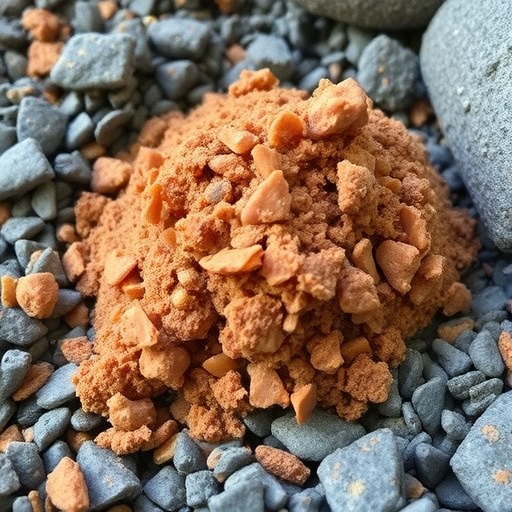
In recent years, the environmental impact of mining and metallurgical processes has garnered significant attention. One of the byproducts of copper extraction, specifically copper slag, poses numerous challenges not only in terms of waste management but also regarding the potential recovery of valuable materials. This has led to various innovative approaches in the industry to repurpose these tailings, particularly through advanced processing methodologies. A recent study put forth by a pioneering team of researchers introduces a new technique that taps into the potential of hydrofluoride sintering to recover amorphous silica and hematite from copper slag flotation tailings.
Copper slag, a residue from copper smelting, has traditionally been considered a waste product, often leading to issues in disposal and environmental contamination. The volume of copper slag generated during production is vast, leading to increased pressure on storage facilities and ecological systems due to leaching of harmful substances. This study posits not just a reduction of waste but also the possibility of resource recovery, illuminating the dual benefits of environmental remediation and material reclamation, which could revolutionize practices in the field.
The researchers, A.L. Kotelnikova, I.S. Medyankina, and L.A. Pasechnik, conducted extensive experiments to evaluate the effectiveness of hydrofluoride sintering, a relatively novel technique in waste processing. Their method focuses on the thermal treatment of copper slag combined with hydrofluoric acid, which significantly alters the mineralogical states of the slag constituents. This chemical transformation facilitates the liberation of silica and hematite, both of which hold significant industrial value. Such newly retrieved resources can find applications in various sectors, including construction, pharmaceuticals, and even advanced technology.
The initial phase of the research involved thorough characterization of copper slag samples to understand their composition and mineralogical characteristics. Utilizing advanced analytical techniques like X-ray diffraction (XRD) and scanning electron microscopy (SEM), the researchers were able to establish the prevalent phases within the slag. The understanding of these components was crucial, not only to assess the feasibility of the hydrofluoride sintering process but also to adapt the parameters of the treatment for optimal results.
After determining the composition, the stage of experimentation commenced with the assessment of the hydrofluoride sintering parameters. Temperature, time, and acid-to-slag ratios were systematically altered to evaluate their impact on the extraction efficiency of amorphous silica and hematite. The findings were enlightening; it was observed that specific combinations of these parameters led to enhanced recoveries, showcasing the delicate interplay between chemical composition and operational variables in waste processing.
Furthermore, the sintering process proved to be energy-efficient when optimized correctly. The team’s findings indicated that, with careful monitoring and management of temperature profiles and chemical inputs, considerable energy savings could be achieved compared to traditional processing methods. This aspect not only highlights the economic advantages of their approach but also aligns with global goals of energy conservation and sustainable practices in industrial processes.
The amorphous silica produced through this innovative method has various applications, particularly in the production of silica-based materials. These may include use in the manufacture of glass, ceramics, and even concrete, thereby creating a circular economy where waste is converted into useful products. Meanwhile, the recovery of hematite extends its utility into sectors such as iron and steel manufacturing, thus mitigating the need for virgin raw materials and reducing overall environmental footprints.
The researchers also addressed the potential ecological risks associated with hydrofluoric acid, ensuring that the method adheres to strict safety and environmental regulations. They emphasized that while the use of hydrofluoric acid poses inherent hazards, when managed correctly the benefits of the resulting refinements outweigh the risks. Their study proposes that this robust processing technique can not only minimize waste but can also lead to a decrease in the mining of natural resources, fostering a more sustainable approach to material usage.
One crucial element of the research was the discussion on policy implications. As countries around the globe push for stricter regulations regarding waste management and environmental protection, techniques that offer solutions like hydrofluoride sintering position themselves as critical innovations in the metallurgical field. This aligns with the broader context of the circular economy and sustainability, as industries seek to reduce their environmental impact while maximizing resource efficiency.
Engaging in discussions with stakeholders in the mining and waste management sectors has allowed the team to identify pathways for scalability of their process. The viability of hydrofluoride sintering at an industrial scale would not only foster local economies but could also improve resource security as the world faces pressures from rising demand and diminishing reserves of natural materials.
The study encapsulates a pivotal stride toward environmentally conscious science and industrial practices. By transforming a seemingly useless waste product into high-value materials, the researchers open the door to innovative practices that other sectors may adopt. This approach could inspire a wave of research and development initiatives focusing on sustainable practices across various industries, leading to a more conscious exploitation of natural resources.
In conclusion, the work of Kotelnikova, Medyankina, and Pasechnik offers a glimpse into the future of metallurgical waste processing through smart, innovative techniques. Their approach does not merely focus on efficiency and extraction; it advocates for a fundamental shift in how we perceive and manage industrial byproducts. With hydrofluoride sintering, the dual achievement of reducing waste and recovering valuable materials becomes not only possible but also a vital ingredient in building a sustainable industrial landscape.
This research represents a significant contribution to environmental science and resource management, setting a benchmark for future studies and industrial applications. As industries continue to embrace sustainable practices, the spotlight will be on innovative solutions such as this to transform challenges into opportunities.
Subject of Research: Recovery of amorphous silica and hematite from copper slag flotation tailings through hydrofluoride sintering.
Article Title: Processing copper slag flotation tailings via hydrofluoride sintering to recover amorphous silica and hematite.
Article References:
Kotelnikova, A.L., Medyankina, I.S. & Pasechnik, L.A. Processing copper slag flotation tailings via hydrofluoride sintering to recover amorphous silica and hematite.
Environ Sci Pollut Res (2026). https://doi.org/10.1007/s11356-026-37395-7
Image Credits: AI Generated
DOI: https://doi.org/10.1007/s11356-026-37395-7
Keywords: copper slag, hydrofluoride sintering, amorphous silica, hematite, waste management, sustainability, resource recovery.


