


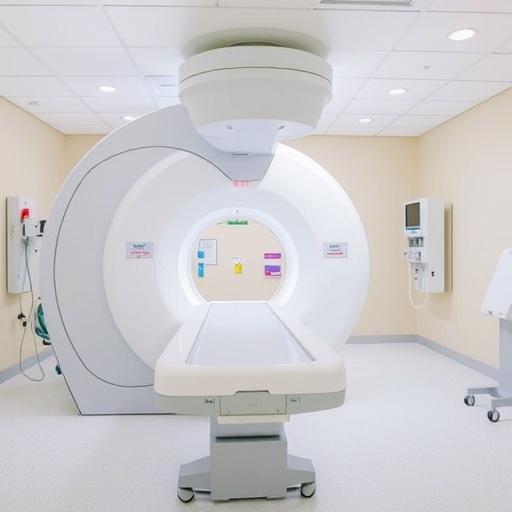
A recent comprehensive study led by researchers at the Icahn School of Medicine at Mount Sinai uncovers a troubling dynamic within the United States’ radiation oncology delivery system. Despite overall statistics suggesting a stable number of radiation oncology clinics nationwide, the reality reveals a more complex and concerning trend: numerous individual treatment centers have shuttered while others have emerged, creating significant disparities in patient access to critical cancer therapies.
This groundbreaking analysis, published in the International Journal of Radiation Oncology, Biology, Physics, represents the first nationwide effort to track radiation oncology practice sites individually, rather than as aggregated physician groups or healthcare organizations. Drawing from extensive Medicare and Medicaid data collected between 2018 and 2025, the investigation scrutinized over 3,000 treatment locations across the country.
Radiation therapy, a cornerstone treatment modality used by more than half of all cancer patients, necessitates frequent, often daily visits over several weeks. The closure of local clinics thereby imposes logistical burdens on patients, particularly those residing in rural or underserved areas, forcing long commutes that may lead to delayed or foregone treatment. The study reveals that freestanding radiation oncology practices face a 56% higher likelihood of closure compared to hospital-affiliated centers, exacerbating accessibility challenges in non-urban locales.
The data highlight a staggering healthcare inequality: as of 2025, approximately 68.5% of U.S. counties—home to nearly 51 million people—lack any radiation oncology facility. These regions are disproportionately characterized by higher poverty and uninsured rates, lower average household incomes, and a scarcity of primary healthcare providers. The closure of solitary clinics in rural areas often leaves no alternative for radiation therapy, in stark contrast to urban centers where multiple options remain available.
This structural vulnerability within the oncology delivery network signals that geography increasingly dictates a patient’s ability to obtain timely cancer treatment. The disappearance of clinics does not merely affect convenience; it poses a direct threat to the efficacy of cancer care outcomes. Dr. Kunal Sindhu, the study’s senior author, emphasizes the need for targeted policy interventions aimed at preserving and enhancing access to radiation therapy services where they are most needed.
The research team suggests that reforming reimbursement models and implementing strategies tailored to support freestanding and rural clinics could mitigate these disparities. Additionally, identifying communities at highest risk for losing services allows for proactive measures before access gaps widen further.
Future investigations are called for to assess the long-term clinical consequences associated with these closures and to evaluate the impact of potential policy reforms on stabilizing access to radiation oncology. As cancer treatment continues to evolve, ensuring equitable access across all demographics remains an urgent public health imperative.
Cite Scienmag News
Nathaniel Bowman. (July 10, 2026). Radiation Therapy Clinic Closures May Widen US Cancer Care Disparities. Scienmag. https://scienmag.com/radiation-therapy-clinic-closures-may-widen-us-cancer-care-disparities/
Nathaniel Bowman. "Radiation Therapy Clinic Closures May Widen US Cancer Care Disparities." Scienmag, 10 July 2026, https://scienmag.com/radiation-therapy-clinic-closures-may-widen-us-cancer-care-disparities/. Accessed 3 September 2026.
Nathaniel Bowman. "Radiation Therapy Clinic Closures May Widen US Cancer Care Disparities." Scienmag. July 10, 2026. https://scienmag.com/radiation-therapy-clinic-closures-may-widen-us-cancer-care-disparities/


