


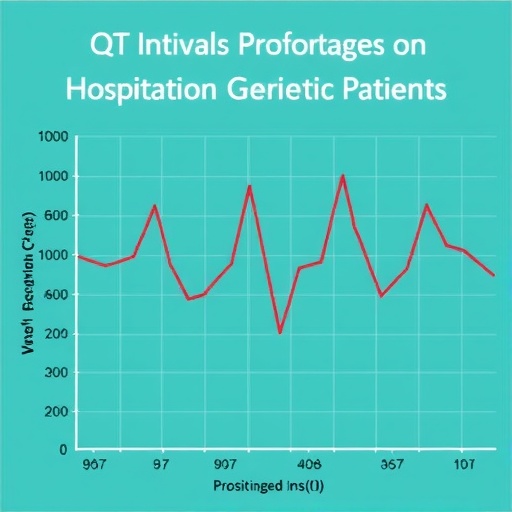
The heart’s electrical system is intricate and finely tuned, but it can be easily disrupted, particularly in vulnerable populations such as the elderly. One of the critical metrics of heart activity is the QT interval—an essential measure that informs healthcare providers about the heart’s rhythm and conduction system. Recent research has revealed alarming insights into the prevalence of QT interval prolongation among hospitalized geriatric patients, pointing towards startling implications for clinical practice and patient outcomes. This study shines a light on a crucial, yet frequently overlooked aspect of geriatric health.
QT interval prolongation can serve as a marker for increased risk of serious cardiovascular events, including arrhythmias and sudden cardiac death. This risk amplifies in elderly patients who often have multiple comorbidities and polypharmacy, conditions characterized by the use of several medications simultaneously. In many cases, this vulnerable demographic experiences QT interval prolongation due to a combination of age-related physiological changes and the pharmacological properties of medications they ingest. Understanding these factors is vital in providing targeted and effective healthcare interventions for older adults.
In a recent cross-sectional study conducted in Pakistan, researchers investigated the prevalence of QT prolongation and its associated risk factors among hospitalized geriatric patients. The methodology was robust, encompassing a diverse patient population over significant time and control parameters, aiming to ensure the reliability of the findings. This study not only emphasizes the need for heightened awareness of arrhythmogenic potential in elderly patients but also calls for a reassessment of current treatment protocols administered to them.
The results were striking, revealing a significant prevalence rate of QT prolongation within the studied population. The study documented that a substantial number of the patients exhibited prolonged QT intervals, with a clear correlation between age, existing health issues, and use of certain medications. Notably, the findings urge clinicians to exercise caution with particular drugs known to influence heart rhythms. This aspect of medical treatment showcases the necessity for individualized patient care, especially in geriatric settings where patients’ health profiles can be vastly diverse.
Moreover, the implications of this research extend beyond individual patient care. They beckon a broader analysis of prescribing practices in hospitals, prompting healthcare systems worldwide to reconsider their approach to managing elderly patients. With an increase in the geriatric population globally, the healthcare sector faces a pressing need for innovative strategies that prioritize safe prescribing practices, effective monitoring, and enhanced patient education regarding heart health.
In exploring the etiology of QT interval prolongation, the study recorded multiple contributing factors including electrolyte imbalances, renal dysfunction, and concurrent medication use. Each of these factors plays a pivotal role in determining how vulnerable an individual is to experiencing QT prolongation. This complexity underscores the urgent need for comprehensive geriatric assessments that are not only thorough but also consistent.
Another pivotal finding of this research mirrored trends observed in previous studies conducted worldwide. It revealed that specific medications, particularly those with known cardiotoxic effects, were frequently prescribed to older adults without adequate monitoring for potential cardiac risk. The discussion around drug safety in older individuals requires urgent intervention, especially as healthcare providers aim to balance the benefits of treatment with the potential for adverse effects on heart health.
In light of these issues, the research emphasizes the need for implementing automated QT interval screening protocols in clinical settings. Technology can play a crucial role in detecting these changes early and accurately, giving healthcare providers the necessary tools to intervene before serious complications arise. Automated systems could enhance the vigilance required in monitoring QT intervals, thereby improving patient safety and outcomes.
Patient education represents another missed opportunity in the current healthcare framework. Older adults and their caregivers often lack awareness of QT interval ramifications, medications that may pose risks, and the general importance of regular heart health check-ups. Enhanced educational initiatives could empower patients to engage more actively in their care, prompting them to report symptoms and seek follow-up appointments promptly.
The implications of QT interval prolongation transcend the immediate patient experience, influencing broader public health strategies as well. Policymakers may need to reevaluate healthcare guidelines and incorporate QT monitoring into standard practices for geriatric care. Effective strategies should include training programs for healthcare professionals focusing on recognizing risk factors and managing polypharmacy better.
Furthermore, the study brings to light essential questions about the clinical training of healthcare providers. There is an apparent gap in education regarding the risks of QT prolongation in elderly patients, which needs to be addressed through enhanced medical curriculums that prioritize geriatric patient care. By closing this knowledge gap, future healthcare professionals may be better equipped to identify and manage potential complications.
In conclusion, the findings from this recent research serve as a crucial reminder of the importance of vigilance in treating the geriatric population. QT interval prolongation stands as a silent yet significant marker of risk, implicating the urgent need for improved awareness, monitoring, and education within both clinical practice and healthcare policy. By prioritizing these aspects, we can move towards a future where older adults receive the comprehensive and safe healthcare they deserve.
Cite Scienmag News
Beatrice Stafford. (September 25, 2025). QT Interval Prolongation in Hospitalized Geriatric Patients. Scienmag. https://scienmag.com/qt-interval-prolongation-in-hospitalized-geriatric-patients/
Beatrice Stafford. "QT Interval Prolongation in Hospitalized Geriatric Patients." Scienmag, 25 September 2025, https://scienmag.com/qt-interval-prolongation-in-hospitalized-geriatric-patients/. Accessed 3 September 2026.
Beatrice Stafford. "QT Interval Prolongation in Hospitalized Geriatric Patients." Scienmag. September 25, 2025. https://scienmag.com/qt-interval-prolongation-in-hospitalized-geriatric-patients/


