


The Earth has witnessed five mass extinction events throughout its history, with human activity now propelling us towards a sixth—potentially eradicating 75% of all life forms. Alarmingly, roughly a quarter of all mammal species have already been lost or are on the brink of extinction. But according to conservation biologist Amy B. McEuen, author of How to Think Like an Ecologist, there remains a critical window of opportunity to stem this biodiversity crisis.
One innovative conservation approach centers on protecting “umbrella species.” These are typically large-bodied vertebrates, sometimes dubbed “charismatic megafauna,” such as primates, bears, big cats, and marine mammals. Due to their extensive habitat requirements, safeguarding these species indirectly preserves vast ecosystems and the myriad smaller organisms residing within them.
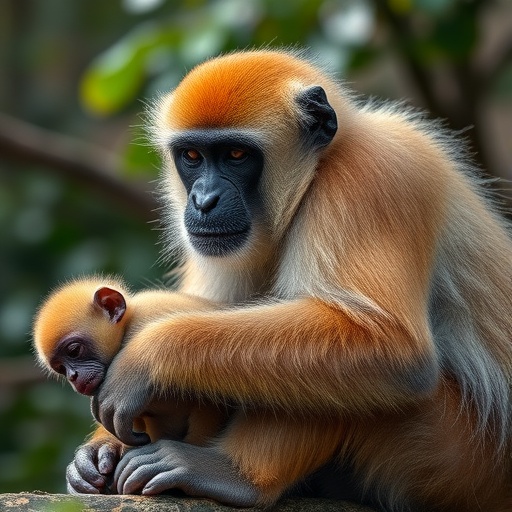
A notable study from 2025, conducted in China’s Yunnan province, offers compelling data supporting this strategy. Researchers synthesized extensive datasets on 16 primate species—including gibbons and snub-nosed monkeys—and found that dedicating 30% of Yunnan’s land to primate conservation would secure over half of the region’s annual carbon sequestration, water conservation, and soil retention. Crucially, areas rich in primate populations also harbored diverse communities of seed plants, birds, reptiles, amphibians, and mammals, illustrating the broad ecological benefits of umbrella species protection.
McEuen explains that this method capitalizes on the ecological roles of sizable animals requiring large, contiguous habitats that sustain not only their own populations but also shelter countless other species. This interconnectedness enhances ecosystem resilience and reinforces biodiversity at landscape scales.
There is encouraging evidence that nature can and does recover. For example, humpback whale populations have rebounded dramatically following decades of concerted conservation efforts and international whaling bans. Similarly, bald eagle numbers have soared in North America after mitigating the impact of pollutants like DDT. These success stories highlight the capacity of ecosystems to rebound when pressures are alleviated.
Moreover, evolutionary adaptability offers a beacon of hope amid changing environments. House finches in Arizona have developed larger, stronger beaks to utilize abundant sunflower seeds in urban settings. Coral populations also exhibit genetic variation in heat tolerance, suggesting possible acclimatization to rising ocean temperatures through natural gene flow.
However, McEuen warns of the “extinction vortex,” a phenomenon where declining population numbers accelerate towards irrevocable collapse due to compounded ecological pressures. Preventing species from entering this vortex requires urgent action to maintain sufficiently large populations and habitat connectivity.
In sum, the science underscores a pragmatic and efficient path forward: by focusing conservation efforts on umbrella species, we can protect entire ecosystems and their countless inhabitants. The potential to avert a sixth mass extinction hinges on leveraging these ecological interdependencies before it is too late.
- https://www.routledge.com/How-to-Think-Like-an-Ecologist-A-Non-Scientists-Guide-to-Saving-Our-Planet/McEuen/p/book/9781041210726
- https://conbio.onlinelibrary.wiley.com/doi/10.1111/cobi.70019
Keywords
Biodiversity conservation, umbrella species, primates, mass extinction, ecological diversity, habitat protection, ecosystem resilience, evolutionary adaptation
Cite Scienmag News
Margaret Porter. (July 10, 2026). Protecting Primates Crucial to Preventing Global Mass Extinction Crisis. Scienmag. https://scienmag.com/protecting-primates-crucial-to-preventing-global-mass-extinction-crisis/
Margaret Porter. "Protecting Primates Crucial to Preventing Global Mass Extinction Crisis." Scienmag, 10 July 2026, https://scienmag.com/protecting-primates-crucial-to-preventing-global-mass-extinction-crisis/. Accessed 3 September 2026.
Margaret Porter. "Protecting Primates Crucial to Preventing Global Mass Extinction Crisis." Scienmag. July 10, 2026. https://scienmag.com/protecting-primates-crucial-to-preventing-global-mass-extinction-crisis/


