


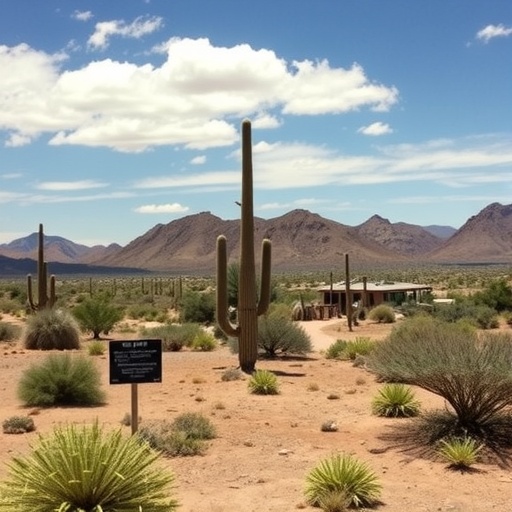
The arid and semi-arid zones of Mexico represent a unique tapestry of biodiversity, ecological complexity, and pressing conservation challenges. In an ambitious effort to compile the vast knowledge and insights surrounding these remarkable ecosystems, Bentham Science Publishers has released a pivotal reference work entitled “Arid and Semi-Arid Zones of Mexico: A Comprehensive Exploration of Biodiversity, Ecology, and Conservation.” This multidisciplinary tome stands as a testament to the collaborative efforts of leading scholars who have delved deeply into the intricate ecological frameworks that underscore Mexico’s deserts.
This comprehensive volume encompasses 14 meticulously crafted chapters that shed light on emblematic regions such as the Baja California Peninsula, Chihuahuan Desert, Sonoran Desert, and the Tehuacán-Cuicatlán Valley. In these chapters, the authors amalgamate scientific rigor with passionate inquiry, exploring the delicate balance of species interactions, ecological processes, and human influences that shape the landscapes of arid and semi-arid Mexico.
At the heart of this exploration is an examination of the dynamic relationship between flora and fauna within these deserts and the anthropogenic pressures that threaten their existence. The works within the volume are punctuated by rich case studies that provide a nuanced understanding of the unique adaptations of various plant and animal species. These adaptations highlight the resilience of life in extreme conditions while simultaneously showcasing the fragility of these ecosystems in the face of climate change and human expansion.
One of the critical themes present in the book is the ecological significance of desert flora and fauna, particularly the role that traditional medicinal plants play in local cultures. The volume investigates how these plants serve not only as vital resources for the communities that have historically depended on them but also as important contributors to the overall biodiversity of these regions. The safeguarding of native germplasm is another focal point, with a particular emphasis on cacti as umbrella species, reflecting the interdependence of species and their environments.
In discussing conservation strategies, the text evaluates current approaches in protecting these vulnerable areas and the challenges that come with them. The assessment of designated protected areas is critical for understanding how effective these havens are at supporting biodiversity. The authors present a forthright analysis that considers both the successes and failures in these initiatives, ultimately aiming to provide a roadmap for future research and policy development aimed at preserving these irreplaceable ecosystems.
Moreover, the book highlights the biochemical properties of natural products derived from desert organisms. Insights into these products reveal potential avenues not only for ecological preservation but also for economic development through sustainable practices. By marrying ecological and biochemical research, the work appeals to a broad audience, including conservationists, ecologists, and even those interested in biotechnology and pharmaceutical innovations.
The cross-disciplinary nature of this volume is particularly noteworthy, as it brings together experts from various fields including ecology, conservation, and phytochemistry. This collaborative approach enriches the discourse and offers multiple perspectives on the complex issues at hand. By integrating diverse expertise, the book illustrates how multi-faceted research efforts can yield richer understandings and more effective conservation strategies.
The editors of the volume, Dr. Sofía Solórzano Lujano, Dr. José Guillermo Avila Acevedo, and Dr. Israel Valencia Quiroz, are themselves paragons of scholarly inquiry, each contributing their own specialized knowledge to the collective effort. Their backgrounds illustrate the importance of diverse scientific perspectives in tackling the multifarious problems encountered within these ecosystems, reinforcing the notion that collaborative approaches are essential for effective environmental stewardship.
As the ecological and climatic dynamics of Mexico’s arid and semi-arid regions continue to evolve, the findings presented in this volume are particularly timely. The discussions around ecological degradation, biodiversity loss, and habitat preservation resonate not only within a scientific context but also within cultural and social frameworks. The cultural significance of these deserts extends beyond their biological inhabitants; they are integral to the identities of the communities that thrive alongside them.
In conclusion, “Arid and Semi-Arid Zones of Mexico: A Comprehensive Exploration of Biodiversity, Ecology, and Conservation” serves as an essential resource for anyone involved in the study, conservation, or policy-making surrounding arid landscapes. As we face unprecedented environmental change, the insights offered in this volume will be invaluable in shaping future research agendas and conservation initiatives. Through a judicious blend of rigorous analysis and contextual understanding, this book underscores the urgent need to recognize and protect the natural heritage of Mexico’s deserts for generations to come.
By illuminating the interconnectedness of ecological, cultural, and scientific domains, this work lays a strong foundation for ongoing dialogue and action aimed at mitigating the loss of biodiversity and enhancing conservation strategies in Mexico’s unique desert environments.
Keywords
Applied sciences, Environmental sciences, Ecology, Ecosystems, Desert ecosystems, Desertification, Ecological degradation, Ecological diversity, Biodiversity conservation, Biodiversity indicators, Biodiversity loss, Habitat diversity, Marine biodiversity, Species diversity, Conservation biology, Ecotourism, Ecosystem management, Ecological restoration.
Cite Scienmag News
Margaret Porter. (July 31, 2025). Protecting Desert Ecosystems: A New Book Delves Into Mexico’s Vulnerable Arid Regions. Scienmag. https://scienmag.com/protecting-desert-ecosystems-a-new-book-delves-into-mexicos-vulnerable-arid-regions/
Margaret Porter. "Protecting Desert Ecosystems: A New Book Delves Into Mexico’s Vulnerable Arid Regions." Scienmag, 31 July 2025, https://scienmag.com/protecting-desert-ecosystems-a-new-book-delves-into-mexicos-vulnerable-arid-regions/. Accessed 3 September 2026.
Margaret Porter. "Protecting Desert Ecosystems: A New Book Delves Into Mexico’s Vulnerable Arid Regions." Scienmag. July 31, 2025. https://scienmag.com/protecting-desert-ecosystems-a-new-book-delves-into-mexicos-vulnerable-arid-regions/


