

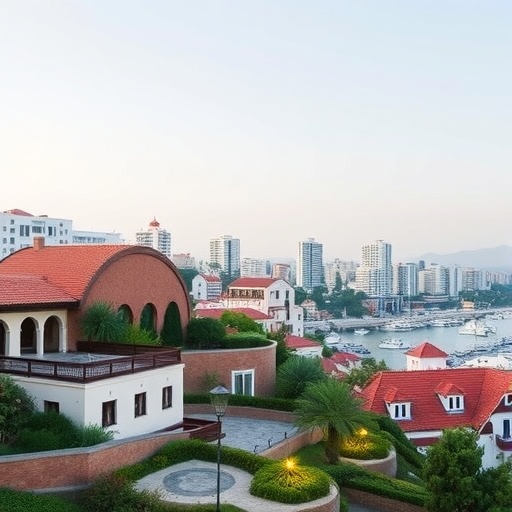
In recent years, the concept of sustainable tourism has gained significant traction, particularly within the context of developing nations. Lebanon, a country rich in culture and natural beauty, stands at the forefront of this movement. With its majestic landscapes, historic sites, and vibrant cities, Lebanon attracts millions of tourists each year. However, the tourism sector must evolve to ensure that it contributes positively to the local economy while preserving the environment and cultural heritage. The study conducted by Kabbara, Hajj, and Baba underscores the urgent need for hotel sustainability practices in Lebanon, alongside enhanced stakeholder collaboration, to achieve sustainable development goals in the tourism sector.
One of the key revelations of the article is the integral role that hotels play in the sustainability framework. Hotels, often the first point of contact for tourists, wield considerable influence over visitors’ experiences and perceptions of a destination. Sustainable hotel practices can significantly mitigate the environmental impacts of tourism. This includes energy conservation initiatives such as installing solar panels, implementing water-saving technologies, and minimizing waste through effective recycling programs. These strategies not only reduce the carbon footprint of hotels but also resonate with a growing segment of environmentally conscious travelers.
The study further emphasizes the necessity of stakeholder collaboration in promoting sustainable tourism. In Lebanon, various stakeholders—ranging from government entities to local communities, and from hotel operators to non-governmental organizations—must work cohesively to drive the agenda for sustainability. Effective collaboration among these groups can pave the way for comprehensive tourism policies that reflect the interests of all parties. By establishing partnerships, stakeholders can share best practices, resources, and knowledge, thereby enhancing the efficacy of sustainability initiatives within the hotel sector.
An important aspect covered in the article is the alignment of hotel practices with the Sustainable Development Goals (SDGs) set forth by the United Nations. The SDGs serve as a global blueprint for achieving a better and more sustainable future. Hotels in Lebanon, by adopting practices that resonate with these goals, can not only contribute to the national agenda of sustainable development but can also enhance their marketability to the growing demographic of responsible travelers. Featured prominently among these goals are the emphasis on clean energy, responsible consumption, and the safeguarding of cultural heritage, all of which are critical to the Lebanese context.
The authors underscore the importance of training and capacity building within the hotel sector to facilitate the transition towards sustainable practices. Empowering hotel staff with the knowledge and tools necessary for implementing sustainability initiatives is paramount. Training programs that focus on sustainability not only equip employees with valuable skills but also create a culture of environmental consciousness within the organization. A well-trained workforce is instrumental in ensuring that sustainability practices are not only adopted but also effectively maintained over time.
Moreover, the economic implications of adopting sustainable practices cannot be overlooked. Many hotel operators may perceive sustainability initiatives as a financial burden. However, the research illustrates that over time, sustainable practices can translate into significant cost savings. For instance, energy-efficient systems can drastically reduce utility bills, while waste reduction measures can lower disposal costs. Additionally, by enhancing their sustainability profile, hotels can attract a growing market of eco-conscious travelers who are willing to pay a premium for responsible lodging options. This not only boosts occupancy rates but also enhances overall profitability.
The science behind sustainability is complex and dynamic, interweaving environmental science, sociology, and economics. The interplay between these fields can provide valuable insights into developing robust strategies for sustainable tourism. The authors advocate for using data-driven approaches to measure the impact of sustainability initiatives. By employing metrics and Key Performance Indicators (KPIs), hotels can monitor their progress and make informed decisions based on empirical evidence. This information can be invaluable for stakeholders looking to refine their sustainability strategies continually.
Furthermore, digital technology plays a critical role in advancing sustainable tourism practices. The rise of smart technologies offers unprecedented opportunities for hotels to enhance their operational efficiency and minimize environmental impacts. For example, smart room technologies can adjust energy use based on occupancy, while mobile apps can facilitate efficient communication between staff and guests regarding sustainability efforts. By harnessing technology, hotels can streamline processes and improve the guest experience while reducing their ecological footprint.
Another fascinating element revealed in the study is the potential for community-driven tourism initiatives. Engaging local communities in tourism planning not only fosters a sense of ownership but also enhances the cultural authenticity of the visitor experience. In Lebanon, integrating local artisans, culinary traditions, and cultural narratives into the hospitality offering can create a multifaceted experience that appeals to tourists, driving both economic growth and cultural preservation. By prioritizing local inputs and resources, hotels can contribute to the broader goal of community sustainability.
Stakeholder engagement also extends to the importance of transparency and accountability in sustainable practices. The authors argue that hotels must set clear sustainability objectives and publicly report their progress. This transparency fosters trust among stakeholders and builds credibility within the tourism sector. When guests see tangible evidence of a hotel’s commitment to sustainability, they are more likely to support and recommend such establishments, ultimately enhancing the brand’s reputation and market reach.
Crisis management and resilience are additional themes emphasized within the research. As the global pandemic illustrated, the tourism industry is susceptible to shocks that can disrupt operations and dissuade travelers. By adopting sustainable practices, hotels can enhance their resilience to future crises. Whether through diversified offerings that highlight outdoor or nature-based experiences or through sustainable supply chain management that reduces dependency on single sources, hotels can position themselves for long-term success even in the face of uncertainty.
As Lebanon seeks to revitalize its tourism sector, the study concludes with a call to action for hotel operators and stakeholders alike. The journey towards sustainable tourism is undoubtedly complex but equally rewarding. By embracing sustainability as a core business principle, hotels in Lebanon can safeguard their rich cultural heritage, protect the environment, and contribute to the well-being of local communities. Ultimately, this collaborative pursuit of sustainable development goals not only aligns with global best practices but ensures that Lebanon remains a premier destination for years to come.
In light of these findings, the implications of Kabbara, Hajj, and Baba’s research extend well beyond the walls of the hospitality industry. They signal to policymakers, educational institutions, and community leaders the critical importance of fostering a culture of sustainability in Lebanon. The holistic approach offered in the study reinforces the notion that sustainable tourism is not merely an option for the hospitality sector but a necessity for the health and prosperity of both the environment and society.
In conclusion, advancing sustainable tourism in Lebanon through hotel practices and stakeholder collaboration presents a transformative opportunity. With a concerted effort, Lebanon can position itself as a leader in sustainable tourism, providing a model for similarly situated nations. The road ahead may be filled with challenges, but the potential rewards—in terms of environmental stewardship, economic opportunity, and cultural preservation—make the pursuit undeniably worthwhile.
Subject of Research: Sustainable tourism practices in hotels in Lebanon and stakeholder collaboration.
Article Title: Advancing sustainable tourism in Lebanon through hotel sustainability practices and stakeholder collaboration toward achieving sustainable development goals.
Article References:
Kabbara, N., Hajj, B.E. & Baba, I. Advancing sustainable tourism in Lebanon through hotel sustainability practices and stakeholder collaboration toward achieving sustainable development goals. Discov Sustain (2025). https://doi.org/10.1007/s43621-025-02454-5
Image Credits: AI Generated
DOI:
Keywords: Sustainable tourism, hotel practices, stakeholder collaboration, sustainable development goals, Lebanon.


