


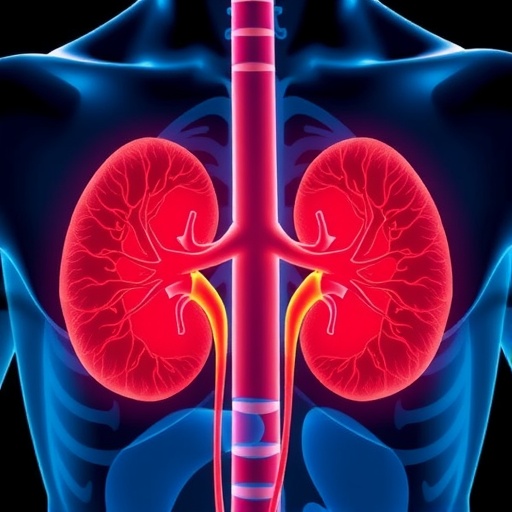
In an illuminating advancement for neonatal medicine, recent research has unveiled a critical link between prolonged exposure to patent ductus arteriosus (PDA) and the heightened risk of late-onset acute kidney injury (AKI) among extremely preterm infants. The study, conducted by Muterspaw, Griffin, Askenazi, and colleagues and published in the Journal of Perinatology, provides groundbreaking insights into the intricate interplay between cardiac anomalies and renal complications in a highly vulnerable population. This research not only augments the understanding of PDA’s systemic effects but also underscores the urgent need for refined clinical protocols to mitigate long-term organ damage in neonates born at the threshold of viability.
The patent ductus arteriosus, a vital fetal vascular shunt connecting the pulmonary artery to the aorta, normally undergoes functional closure shortly after birth. However, in extremely preterm infants—those born before 28 weeks gestation—this closure is frequently delayed or incomplete, resulting in persistent PDA. This abnormal persistence leads to altered hemodynamics, imposing increased cardiac workload and pulmonary over-circulation. Historically, PDA has been primarily examined for its immediate cardiovascular consequences, but emerging evidence now suggests that the systemic effects of prolonged ductal patency extend far beyond the heart and lungs, potentially jeopardizing renal health.
What sets this study apart is its meticulous examination of the temporal relationship between PDA exposure and late acute kidney injury, a relatively understudied complication that significantly impacts neonatal morbidity and mortality. Utilizing robust longitudinal data and employing advanced statistical modeling, the researchers tracked instances of PDA exposure duration alongside acute kidney injury events occurring several weeks postnatally. Their findings indicate that infants subjected to extended PDA exposure exhibited substantially elevated risks for developing late AKI, a condition characterized by sudden deterioration of renal function, which can precipitate chronic kidney disease and contribute to poorer overall clinical outcomes.
The mechanistic underpinnings driving this association are multifaceted. PDA precipitates abnormal circulatory dynamics, inducing systemic hypoperfusion and fluctuating renal blood flow, thereby sensitizing the immature kidneys to ischemic injury. Furthermore, the hemodynamic instability inherent to prolonged PDA may trigger inflammatory cascades and oxidative stress within renal tissues, exacerbating cellular damage. In neonates whose nephrogenesis continues postnatally, such insults may irreversibly impair nephron endowment and functional capacity, with consequences that potentially extend into later life.
Clinically, the management of PDA in extremely preterm infants remains a contentious arena. Therapeutic strategies range from conservative watchful waiting to pharmacological interventions with NSAIDs or surgical ligation, each carrying its own spectrum of risks and benefits. This study’s revelation that prolonged PDA exposure exacerbates the risk of late AKI intensifies the debate regarding optimal timing and modality of intervention. It suggests that earlier resolution of ductal patency might confer renal protective effects, yet such approaches must be delicately balanced against the hazards associated with invasive treatments and the infants’ fragile physiological status.
The researchers also highlighted the complexities inherent in diagnosing and monitoring AKI within this population. Conventional biomarkers like serum creatinine are notoriously unreliable in neonates due to maternal contributions and developmental factors. As such, the study advocates for the integration of emerging biomarkers and renal functional assessments capable of detecting subtle, subclinical kidney injury, thereby allowing for timely therapeutic interventions tailored to the evolving pathophysiological landscape imposed by PDA.
Beyond immediate neonatal care, these findings bear profound implications for the long-term surveillance of preterm survivors. The association between PDA and late AKI calls for longitudinal nephrological follow-up, given that early kidney injury can predispose to chronic kidney disease, hypertension, and cardiovascular morbidity later in life. This longitudinal perspective champions a paradigm shift in neonatal intensive care, emphasizing not only survival but also the preservation of organ function and quality of life over the lifespan.
Notably, the study’s rigorous methodology bolsters the credibility of its conclusions. Drawing from a large cohort across multiple tertiary care centers, the team employed precise echocardiographic criteria to define PDA exposure and utilized standardized criteria to identify AKI episodes. Their statistical approach accounted for confounding variables, including gestational age, birth weight, and comorbidities, ensuring that the observed associations genuinely reflected the impact of prolonged PDA exposure.
The implications extend into biomedical research, encouraging the exploration of novel therapeutic agents that can safely facilitate ductal closure or mitigate renal injury without compromising systemic stability. Furthermore, the study opens avenues for personalized medicine approaches, where genetic, epigenetic, and biomarker profiles might inform individualized risk stratification and treatment plans, aligning with broader trends in neonatal care optimization.
From a pathophysiological standpoint, this research prompts a re-evaluation of the cardiorenal axis in premature infants. While the adult concept of cardiorenal syndrome is well established, its neonatal analog remains poorly characterized. The elucidation of PDA as a pivotal factor linking cardiac aberrations to renal outcomes in this fragile population enriches the conceptual framework, potentially guiding future investigations into multisystem organ crosstalk during critical developmental windows.
Moreover, the psychosocial and economic ramifications of these findings are significant. Prolonged hospitalizations, increased need for renal replacement therapies, and elevated morbidity burdens underscore the necessity for preventive strategies targeting PDA-related complications. By refining our understanding of risk factors like PDA exposure duration, healthcare systems can allocate resources more efficiently and prioritize early interventions that may reduce long-term healthcare expenditures and improve patient and family experiences.
This research also invites an ethical discourse on the management of extremely preterm infants. Decisions surrounding aggressive treatments versus conservative management strategies must consider the potential trade-offs between immediate survival benefits and subsequent organ damage risks. The study underscores the importance of transparent communication with families and the integration of multidisciplinary perspectives in crafting care plans that honor the delicate balance between intervention and prognosis.
Looking ahead, the translation of these findings into clinical guidelines will require collaborative efforts among neonatologists, nephrologists, cardiologists, and researchers. Training initiatives and awareness campaigns can disseminate this knowledge, fostering vigilance for renal complications secondary to PDA and encouraging the adoption of evidence-based protocols that prioritize kidney protection.
In conclusion, this pioneering investigation into the relationship between prolonged PDA exposure and late acute kidney injury in extremely preterm infants marks a significant stride in neonatal medicine. By illuminating a previously underestimated risk factor for renal morbidity, the study not only challenges existing paradigms but also catalyzes a holistic reevaluation of care strategies aimed at optimizing outcomes for our tiniest patients. As neonatal survival rates continue to improve, such integrative insights will be indispensable in advancing the frontier of neonatal health and resilience.
Cite Scienmag News
Harold Sullivan. (February 5, 2026). Prolonged PDA Exposure Raises Late Kidney Injury Risk. Scienmag. https://scienmag.com/prolonged-pda-exposure-raises-late-kidney-injury-risk/
Harold Sullivan. "Prolonged PDA Exposure Raises Late Kidney Injury Risk." Scienmag, 5 February 2026, https://scienmag.com/prolonged-pda-exposure-raises-late-kidney-injury-risk/. Accessed 3 September 2026.
Harold Sullivan. "Prolonged PDA Exposure Raises Late Kidney Injury Risk." Scienmag. February 5, 2026. https://scienmag.com/prolonged-pda-exposure-raises-late-kidney-injury-risk/


