


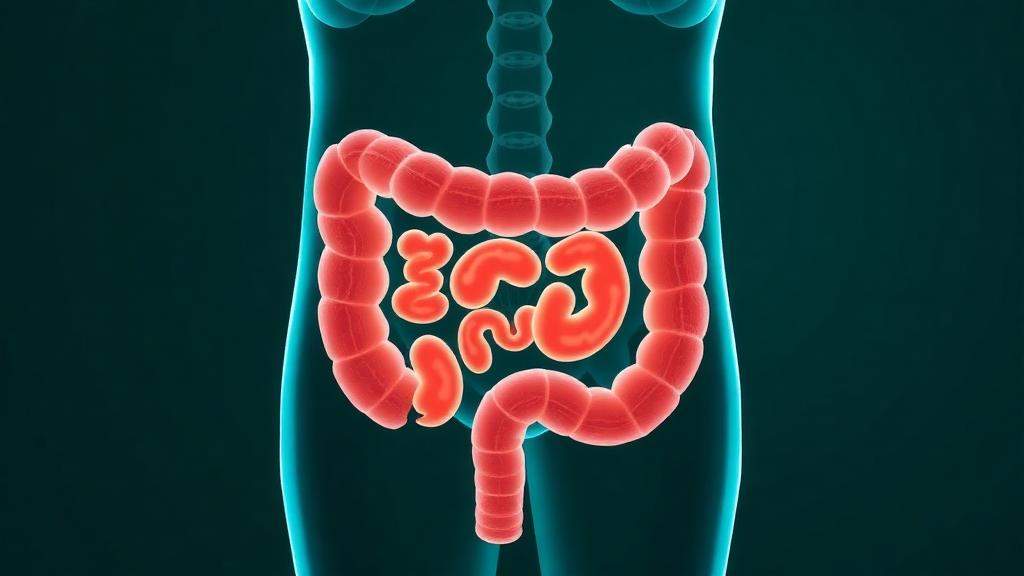
Functional constipation is one of the most common digestive complaints on the planet, affecting an estimated 10 to 14 percent of adults worldwide and as many as 30 percent of older people. It is defined by infrequent bowel movements, hard and lumpy stools, and a persistent feeling of incomplete evacuation, and it can erode quality of life in ways that are easy to underestimate. Now a randomized, double-blind, placebo-controlled trial from Ningxia Medical University General Hospital in China reports that a daily dose of a lactic acid bacterium called Pediococcus acidilactici PA53 significantly improved stool form in adults with this condition over just eight weeks, while also shifting the composition of their gut microbiota and nudging inflammatory markers in a favorable direction.
The trial, published in the journal Food Science & Nutrition and registered at ClinicalTrials.gov, enrolled 87 adults diagnosed with functional constipation under the Rome IV criteria, the international standard that requires fewer than three spontaneous bowel movements per week or hard Bristol Stool Form Scale types 1 or 2. Participants were randomly assigned in a 1:1 ratio to receive either a daily sachet containing 3 grams of dextrin blended with 3.0 × 10^10 colony-forming units of P. acidilactici PA53, or an identical sachet of dextrin alone. The sachets were indistinguishable in appearance, taste, and packaging, and neither the participants nor the investigators knew who received what until the database was locked. Eighty-one participants completed the full eight-week intervention, with dropout rates evenly spread across the two arms.
The primary endpoint was change in stool consistency as measured by the Bristol Stool Form Scale, a seven-point scale on which types 1 and 2 describe hard, lumpy stools and types 3 and 4 describe the smooth, formed stools considered ideal. After eight weeks, the PA53 group’s average score rose from 1.93 to 2.76, a statistically significant improvement, while the placebo group barely moved from 2.00 to 2.03. At week 8, the between-group difference was significant, with the probiotic group scoring meaningfully higher than the placebo group. The researchers note that although the magnitude of change was modest, a directional shift in stool form is considered clinically meaningful in functional constipation because stool consistency tracks closely with patient-reported comfort, ease of defecation, and perceived bowel regularity.
Bowel movement frequency told a more nuanced story. Within the PA53 group, the proportion of participants reporting four to six spontaneous bowel movements per week rose from seven people at baseline to sixteen at week 8, a within-group improvement that reached statistical significance. However, when the two groups were compared head to head, the difference in frequency did not reach significance. The authors suggest that stool form may simply be more sensitive than evacuation frequency to short-term probiotic intervention, a dissociation that has been reported in earlier constipation research. Quality of life, measured with the PAC-QOL questionnaire, and psychological status, measured with the DASS-21 scale, showed no significant changes in either group.
To probe possible mechanisms, the team measured a panel of gut-related biochemical and immune markers at baseline, week 4, and week 8. These included serotonin, the enteric neurotransmitter that promotes peristalsis; motilin, a hormone that stimulates the migrating motor complexes that sweep contents through the gut; and somatostatin, an inhibitory signal that slows transit. Both groups showed similar temporal trends, with motilin rising and somatostatin falling over time, but no significant between-group differences emerged for any of the three hormones. The researchers are careful to frame these patterns as time-dependent physiological fluctuations rather than confirmed treatment-related neuroendocrine modulation, and they describe any mechanistic interpretation as hypothesis-generating rather than proven.
The inflammatory markers offered a similar picture of suggestive but not conclusive signals. Interleukin-6, a pro-inflammatory cytokine, decreased significantly within the PA53 group over the eight weeks, while the placebo group showed no comparable change, although the between-group difference itself was not significant. Interleukin-10, an anti-inflammatory cytokine, rose significantly within the probiotic group by week 8 relative to baseline. Interleukin-4 levels, which happened to be higher in the probiotic group at baseline, fell in both arms. The authors emphasize that these biomarker changes were primarily within-group temporal patterns and should be read as exploratory signals, not confirmed treatment effects, particularly given the absence of consistent between-group differences across the inflammatory panel.
The microbiome data were among the most technically revealing. Using 16S rRNA gene sequencing of the V3–V4 hypervariable region, with reads processed through USEARCH, clustered into operational taxonomic units at 97 percent similarity, and classified against the SILVA 138 database, the team tracked microbial communities across all three time points. At baseline, the two groups were statistically indistinguishable in both alpha diversity and beta diversity. By week 4, linear discriminant analysis effect size analysis detected significant enrichment of the genus Pediococcus in the probiotic group, evidence that the administered strain was persisting in the gut, and this enrichment persisted at week 8. Meanwhile, overall alpha diversity within the PA53 group declined significantly from baseline to week 8, and phylum-level composition shifted, with Actinomycetota increasing and Synergistota decreasing over time. The placebo group’s microbiota remained essentially static throughout.
The decline in diversity within the treated group is an intriguing wrinkle. Probiotic interventions do not always raise diversity; a single strain can rise to dominance and compress evenness while still producing beneficial functional shifts. Animal studies of P. acidilactici have shown increases in beneficial genera such as Bifidobacterium and Lactobacillus alongside decreases in potentially pathogenic Enterobacteriaceae, changes that can boost short-chain fatty acid production, lower luminal pH, and stimulate peristalsis. PA53 also produces pediocin, a bacteriocin with antimicrobial activity that may help maintain microbial homeostasis. Whether such cascades occurred in these human participants was not directly tested, since short-chain fatty acid levels and mucosal immune markers were not measured, a gap the authors acknowledge.
Safety results were reassuring across the board. Routine laboratory parameters, including albumin, liver enzymes, creatinine, uric acid, urea, and glucose, remained within normal ranges and showed no significant changes or between-group differences at any time point. No serious adverse events were reported, and the supplement was well tolerated, consistent with the safety profiles of other P. acidilactici strains studied in animals and in fermented-food contexts.
The study has honest limitations. The sample size, though larger than the minimum power calculation required, was modest, and the categorical recording of bowel movement frequency may have blunted statistical sensitivity. The eight-week window may have been too short to capture long-term microbial restructuring or the durability of symptom relief. Diet was not strictly controlled, and the dextrin used as placebo is itself a soluble dietary fiber that could exert mild effects on bowel function, which may have actually underestimated the true treatment effect. Still, the trial stands out for integrating clinical, inflammatory, and microbiome endpoints in a rigorously blinded design for a strain that had previously lacked high-quality human evidence. The authors call for larger, multi-center trials with longer follow-up and richer mechanistic measurements, but for now the message is straightforward: a daily sachet of PA53 made stools softer and measurably reshaped the gut ecosystem, offering a promising, strain-specific addition to the probiotic toolkit for functional constipation.
Subject of Research: A randomized controlled trial of Pediococcus acidilactici PA53 probiotic supplementation for functional constipation in adults
Article Title: Pediococcus acidilactici PA53 Supplementation Improves Stool Form and Modulates Gut Microbiota and Inflammatory Responses in Adults With Functional Constipation: A Randomized, Double‐Blind, Placebo‐Controlled Trial
Article References: Xia, Y., Cai, Y., Zhang, Y., Cai, R., Liu, H., & Qiang, Z. (2026). Pediococcus acidilactici PA53 Supplementation Improves Stool Form and Modulates Gut Microbiota and Inflammatory Responses in Adults With Functional Constipation: A Randomized, Double‐Blind, Placebo‐Controlled Trial. Food Science & Nutrition, 14(10), Article e72370. https://doi.org/10.1002/fsn3.72370
Image Credits: AI Generated
DOI: 10.1002/fsn3.72370
Keywords: functional constipation, probiotics, Pediococcus acidilactici, gut microbiota, Bristol Stool Form Scale, randomized controlled trial, inflammatory cytokines, 16S rRNA sequencing, gut-brain axis, microbiome, stool consistency, clinical trial
Cite Scienmag News
Morgan Morrow. (October 3, 2026). Probiotic Strain PA53 Softens Stool and Reshapes Gut Microbes in Constipation Trial. Scienmag. https://scienmag.com/probiotic-strain-pa53-softens-stool-and-reshapes-gut-microbes-in-constipation-trial/
Morgan Morrow. "Probiotic Strain PA53 Softens Stool and Reshapes Gut Microbes in Constipation Trial." Scienmag, 3 October 2026, https://scienmag.com/probiotic-strain-pa53-softens-stool-and-reshapes-gut-microbes-in-constipation-trial/. Accessed 4 October 2026.
Morgan Morrow. "Probiotic Strain PA53 Softens Stool and Reshapes Gut Microbes in Constipation Trial." Scienmag. October 3, 2026. https://scienmag.com/probiotic-strain-pa53-softens-stool-and-reshapes-gut-microbes-in-constipation-trial/


