


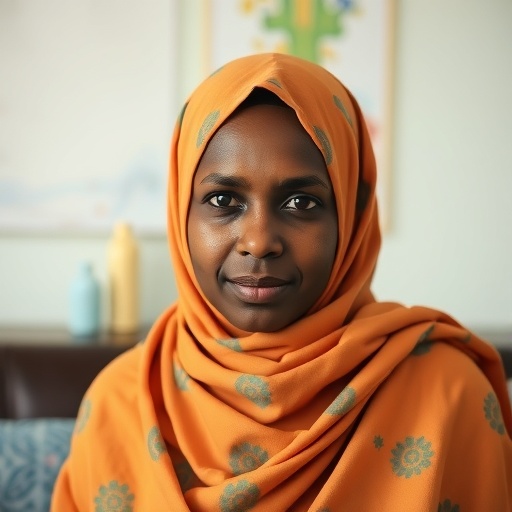
In recent years, the integration of artificial intelligence and machine learning has ushered in groundbreaking advancements across various sectors, notably healthcare. In particular, the use of these technologies in low-resource settings like Somalia presents unique opportunities and challenges. A recent study published in Discover Artificial Intelligence offers insights into this dynamic landscape, focusing on predicting health facility deliveries through an innovative application of machine learning techniques combined with SHAP (Shapley Additive Explanations) explanations.
The essence of the research revolves around the pressing issue of maternal health in Somalia, a country facing significant healthcare delivery challenges. With a maternal mortality ratio that ranks among the highest globally, understanding the factors that influence health facility deliveries is paramount. The researchers aimed to harness machine learning to identify these key determinants effectively. By analyzing comprehensive datasets that encompass socio-economic, geographic, and healthcare accessibility factors, they sought to illuminate the pathway toward improved maternal outcomes.
Utilizing machine learning models enables the researchers to delve deeper into the vast amount of data available. Traditional statistical methods have their limitations, often failing to capture intricate patterns present in large datasets. Machine learning, on the other hand, excels in recognizing complex associations, making it an ideal choice for this study. The researchers employed various algorithms, each bringing forth a different dimension of analysis, allowing them to identify high-priority areas that require immediate intervention.
One of the standout features of this study is the employment of SHAP explanations. SHAP helps in interpreting the outcomes of machine learning models by assigning each feature an importance value for a particular prediction. This aspect is crucial in healthcare, where understanding the rationale behind predictions can significantly impact decision-making processes. The researchers successfully demonstrated how certain features—such as distance to a health facility, educational level of mothers, and socio-economic status—play a pivotal role in predicting whether expectant mothers will seek facility-based deliveries.
The results from the study reveal an intriguing narrative: while several traditionally acknowledged factors like proximity to healthcare centers are indeed crucial, other elements such as education and community awareness exhibit a surprising impact on delivery decisions. This finding underscores the need for a multi-faceted approach to healthcare intervention. By focusing solely on physical access to hospitals without taking educational and societal contexts into account could lead to incomplete strategies that ultimately fail to address underlying issues.
The implications of these findings cannot be overstated. Policymakers, healthcare providers, and community leaders must collaborate to create programs tailored to enhance not just the accessibility of healthcare facilities, but also improve education levels and community orientation regarding maternal health services. This integrated approach can potentially lead to significant improvements in health outcomes, particularly for vulnerable populations.
Furthermore, the analysis provided by SHAP explanations facilitates communication across various stakeholders in the healthcare ecosystem. By clearly articulating how specific factors influence health outcomes, it fosters an evidence-based dialogue among clinicians, policymakers, and community members. This transparency is vital in building trust and encouraging community engagement in maternal health initiatives, an often overlooked but critical component for success.
In summary, the research spearheaded by Sani and colleagues stands as a testament to the intersection of technology and healthcare in addressing real-world problems. Their innovative use of machine learning not only aids in predicting health facility deliveries in Somalia but also sets a precedent for future studies in similar low-resource settings. The integration of SHAP explanations further enhances the model’s applicability, offering actionable insights into improving maternal healthcare delivery.
As global health challenges continue to evolve, the integration of advanced technologies into the healthcare sphere will be pivotal. By embracing machine learning approaches, health systems around the world, especially in under-resourced areas, can transform data-driven insights into actionable strategies. This study serves as a beacon for future research, emphasizing the importance of contextualizing data insights within broader socio-economic frameworks.
Encouragingly, the momentum gained from such research encourages further exploration into how machine learning can address an array of other pressing health issues. As the field progresses, the expectations are high for subsequent advancements that may narrow the gap in healthcare disparities worldwide. However, this journey is not devoid of challenges, including the need for robust data management systems, stakeholder education, and ensuring ethical considerations regarding data use.
In conclusion, the insights derived from this exploration underscore the transformative potential of machine learning in enhancing maternal health outcomes, especially in contexts like Somalia. The findings not only contribute to academic discourse but also serve as a call to action for those in positions to influence health policy and practice. As we look toward the future of healthcare, the fusion of data science and human-centric care will undoubtedly play a fundamental role in driving positive change across the globe.
Ultimately, this compelling research reminds us that the integration of modern technologies in healthcare is not merely a technical endeavor but a holistic movement towards improving lives. The potential is immense, and the path forward involves harnessing these tools responsibly and inclusively to ensure that no mother is left behind in the quest for better health.
Sani, J., Halane, S., Ahmed, M.M. et al. Exploring the application of machine learning and SHAP explanations to predict health facility deliveries in Somalia.
Discov Artif Intell 5, 211 (2025). https://doi.org/10.1007/s44163-025-00436-0
Cite Scienmag News
Blake Davidson. (September 3, 2025). Predicting Somali Health Outcomes with Machine Learning Insights. Scienmag. https://scienmag.com/predicting-somali-health-outcomes-with-machine-learning-insights/
Blake Davidson. "Predicting Somali Health Outcomes with Machine Learning Insights." Scienmag, 3 September 2025, https://scienmag.com/predicting-somali-health-outcomes-with-machine-learning-insights/. Accessed 6 September 2026.
Blake Davidson. "Predicting Somali Health Outcomes with Machine Learning Insights." Scienmag. September 3, 2025. https://scienmag.com/predicting-somali-health-outcomes-with-machine-learning-insights/


