


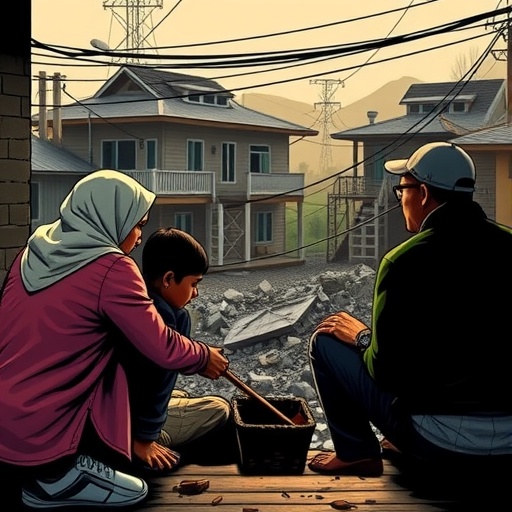
The 2023 Türkiye earthquake, one of the most devastating natural disasters in recent history, resulted in not only significant physical destruction but also profound shifts in intra-family dynamics. This seismic event highlighted the resilience and adaptability of families, challenging existing structures and relationships and igniting a critical discourse on the importance of familial support systems during times of crisis. In the wake of this disaster, a comprehensive analysis was conducted to explore these transformations and their implications for social services.
Research led by A. Tekgöz, A.B. Bayyar, and M.F. Afyonoğlu revealed that the earthquake resulted in a reevaluation of familial roles and responsibilities. The traumatic experience led families to strengthen their emotional connections, demonstrating an increased capacity for support and collaboration. This shift was not uniform, as social stratifications influenced how families responded to the crisis. Wealthier families exhibited different coping mechanisms compared to those from lower socioeconomic backgrounds, highlighting the intersectional nature of this analysis.
The researchers employed a qualitative methodology, incorporating interviews and surveys to gather data from families affected by the earthquake. Through these personal narratives, a nuanced understanding of family dynamics emerged, showcasing how individuals navigated their relationships amidst the chaos. Families reported a rise in collective problem-solving and a stronger reliance on one another for emotional and practical support, indicating a shift from individualistic to communal approaches in dealing with trauma.
The study also identified service gaps that became apparent after the earthquake. As families turned to local, governmental, and non-governmental organizations for assistance, it became clear that traditional services were often ill-equipped to address the complex needs arising from such multifaceted crises. Recommendations included the development of more tailored services that consider family dynamics, cultural backgrounds, and socioeconomic status, ensuring that the diverse needs of families are met.
Particularly noteworthy was the emergence of informal support networks, which proliferated in the aftermath of the earthquake. Neighbors, friends, and extended family members often stepped in to fill the void left by formal support systems, fostering a sense of community solidarity. This aspect of the study underscores the importance of social capital in crisis recovery, pointing to the potential for community-based approaches to enhance resilience.
Intersectionality played a critical role in understanding these transformed family dynamics. The researchers noted that gender, age, and economic status significantly influenced how individuals experienced and responded to the disaster. For instance, women often took on caregiving roles, which not only reinforced traditional gender roles but also highlighted their agency in navigating familial and community needs. Meanwhile, children and teenagers found themselves in supportive roles, taking care of younger siblings or assisting in household responsibilities, demonstrating their resilience and adaptability.
An analysis of mental health needs further underscored the necessity for targeted psychosocial services post-earthquake. Many families reported increased levels of anxiety, depression, and post-traumatic stress. Acknowledging these mental health challenges is critical to developing effective responses; thus, the researchers advocated for the integration of mental health services within family support programs, promoting holistic approaches to recovery.
Technology also emerged as a pivotal factor in how families maintained connections and accessed resources. The use of social media and communication apps allowed for real-time sharing of information, support, and resources. However, this reliance on technology also revealed disparities in access and affordability, a crucial consideration for service providers attempting to meet diverse family needs in the digital age.
Furthermore, cultural perspectives on family and support structures were integral to understanding how different communities coped with the earthquake’s aftermath. The study highlighted variations in communal attitudes toward seeking help, which often tied back to cultural norms and values. To enhance service responsiveness, the authors emphasized the importance of cultural competency within providers, ensuring that services resonate with the unique characteristics of various families.
As families continue to navigate the long-term effects of the 2023 Türkiye earthquake, ongoing research and analysis will be vital in shaping future interventions. The findings from Tekgöz, Bayyar, and Afyonoğlu establish a framework for understanding the complexities of intra-family relationships during crises, serving as a guide for policymakers and practitioners tasked with addressing the needs of vulnerable families.
In closing, the transformative nature of familial relationships in the wake of the Türkiye earthquake is a testament to human resilience and adaptability. The ongoing discourse surrounding these changes highlights the necessity for continued research into familial dynamics in the context of crisis. By addressing service gaps and emphasizing the importance of community connections, society can take proactive steps toward bolstering support systems for families in times of need.
The insights gleaned from this critical intersectional analysis not only illuminate the post-earthquake landscape in Türkiye but also offer valuable lessons for future disaster preparedness and response initiatives. As we move forward, it is imperative that we prioritize the well-being of families as integral components of recovery efforts and recognize the complexity of their needs in the face of adversity.
Ultimately, the findings of this study encourage a reimagining of how we support families in crisis situations. By fostering environments that promote collaboration and resource-sharing among families, communities can enhance their collective resilience, setting a foundation for recovery that empowers individuals and strengthens familial bonds.
Cite Scienmag News
Violet Maxwell. (October 21, 2025). Post-Earthquake Family Dynamics: Intersectional Insights & Solutions. Scienmag. https://scienmag.com/post-earthquake-family-dynamics-intersectional-insights-solutions/
Violet Maxwell. "Post-Earthquake Family Dynamics: Intersectional Insights & Solutions." Scienmag, 21 October 2025, https://scienmag.com/post-earthquake-family-dynamics-intersectional-insights-solutions/. Accessed 4 September 2026.
Violet Maxwell. "Post-Earthquake Family Dynamics: Intersectional Insights & Solutions." Scienmag. October 21, 2025. https://scienmag.com/post-earthquake-family-dynamics-intersectional-insights-solutions/


